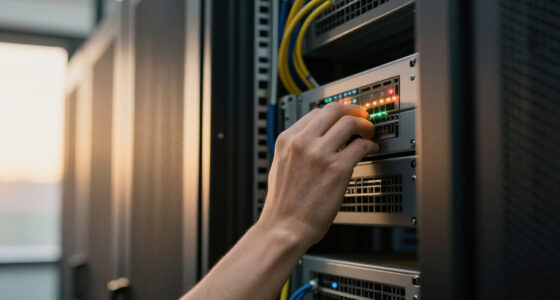

If you’re wondering where computing power is headed, edge computing is becoming increasingly important by processing data near sources, reducing latency and improving privacy, especially for IoT and real-time tasks. Meanwhile, cloud computing continues to grow by offering centralized, scalable resources for large data handling. Both will likely coexist, with edge handling immediate processing and cloud supporting extensive data analysis. Staying informed will help you understand how these evolving technologies will shape the future of digital infrastructure.

Get the latest gadgets delivered free — and shop member deals
- Fast, free delivery on millions of items
- Access to Prime Big Deal Days deals on October 6–7
- Prime Video, Amazon Music and more included
Key Takeaways
- Edge computing is increasingly essential for real-time, low-latency applications and IoT, complementing cloud computing’s centralized processing.
- Growth in IoT and data privacy concerns are driving a shift toward local data processing at the edge.
- Cloud computing remains dominant for scalable, large-scale data storage and centralized control needs.
- Future computing will likely involve a hybrid approach, combining edge and cloud resources for optimized performance.
- Both paradigms will evolve to support distributed processing, with edge handling latency-sensitive tasks and cloud managing extensive data analytics.
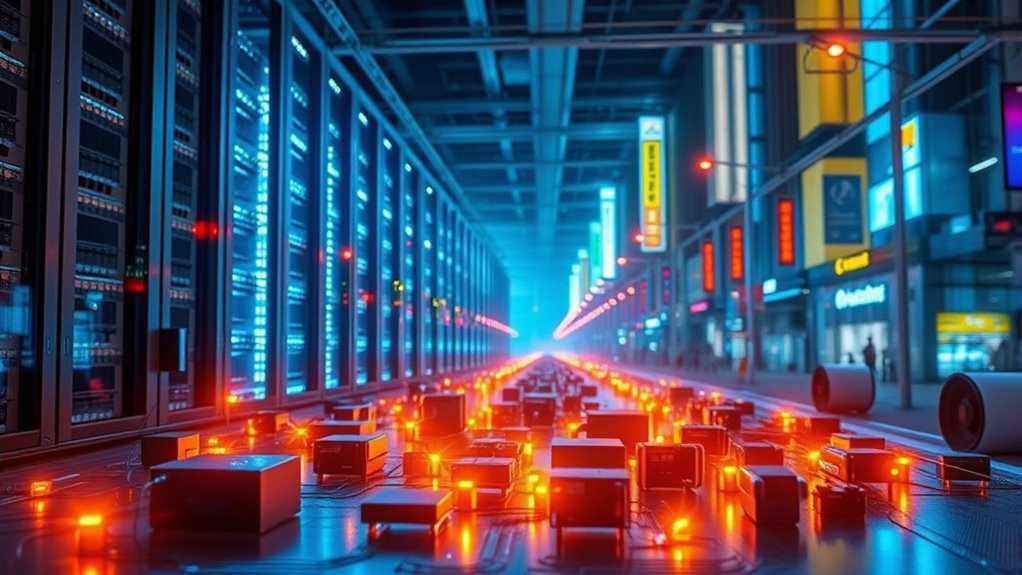
When choosing between edge computing and cloud computing, understanding their fundamental differences is essential. As you explore which approach best suits your needs, you’ll find that edge computing brings processing closer to the source of data, while cloud computing relies on centralized data centers. This distinction markedly impacts how you manage IoT integration and data privacy. With IoT devices proliferating, edge computing allows you to process data locally, reducing latency and enabling real-time decision-making. This setup is especially beneficial when your IoT network requires immediate responses, such as in autonomous vehicles or industrial automation. On the other hand, cloud computing consolidates data in remote servers, which makes it easier to handle large volumes of information from multiple sources. However, this centralized approach can introduce delays and complicate IoT integration when immediate responses are essential.
Furthermore, scalability options in cloud computing generally offer more straightforward options for expanding capacity. As your data grows, cloud services can quickly allocate additional resources without significant hardware investments. However, this ease of scaling often comes at the expense of increased reliance on network connectivity and potential latency issues that can affect your IoT systems. Edge computing, while more limited in raw processing power, allows you to scale by deploying more localized nodes, which can be advantageous if your operations demand distributed processing and minimal latency. The decision hinges on whether your priority is rapid local processing and data privacy or centralized control and scalability.
As an affiliate, we earn on qualifying purchases.
Frequently Asked Questions
How Does Security Differ Between Edge and Cloud Computing?
You’ll find that security differs between edge and cloud computing mainly in data privacy and threat detection. With edge computing, data stays closer to the source, enhancing privacy but requiring strong local security measures. Cloud computing offers centralized threat detection, making it easier to monitor and respond to threats across the network. Both need robust encryption and access controls, but their security strategies focus on different vulnerabilities and privacy concerns.
What Are the Cost Implications of Adopting Edge Versus Cloud Solutions?
Picture your budget as a garden—you’ll want to nurture wisely. When comparing edge and cloud solutions, cost analysis reveals that edge computing often requires higher upfront investments for hardware and deployment, but it can save money long-term by reducing data transfer costs. Cloud computing offers flexible pricing, but ongoing operational expenses can add up. Consider your budget considerations carefully to choose the option that aligns best with your financial landscape.
How Does Latency Impact User Experience in Both Models?
Latency considerably impacts your user experience in both models by affecting response speed. With edge computing, data proximity reduces latency, providing faster interactions and less network congestion. In cloud computing, data travels farther, increasing latency and potential delays. This can cause slow load times or lag, especially during high traffic. To optimize user experience, consider how network congestion and data proximity influence latency in each approach.
Which Industries Benefit Most From Edge Computing?
Think of edge computing as the nerve center for industries needing real-time action. You’ll find manufacturing automation benefiting immensely, as it cuts delays and boosts efficiency. Healthcare diagnostics also gain from instant data processing, enabling quicker patient care. If you’re in these sectors, edge computing acts like a trusted assistant, bringing computing power closer to where it’s needed most, ensuring faster responses and better outcomes.
Can Hybrid Models Combine Edge and Cloud Effectively?
Yes, hybrid models can combine edge and cloud effectively. You’ll benefit from seamless device integration and improved data synchronization, ensuring real-time processing at the edge while leveraging cloud scalability. By strategically distributing workloads, you optimize performance, reduce latency, and maintain data consistency. This approach allows you to customize solutions for your specific needs, making your system more flexible, efficient, and resilient across various industries and applications.
As an affiliate, we earn on qualifying purchases.
Conclusion
As you navigate the evolving landscape of technology, picture a world where data streams like rushing rivers, either flowing smoothly through vast cloud lakes or darting swiftly along edges like mountain streams. Both have their place, guiding your digital journey. Whether you rely on the expansive reach of cloud or the immediacy of edge, you’re shaping a future where computing power is as dynamic and adaptable as the paths water takes—always moving, always changing.
edge and cloud hybrid infrastructure
As an affiliate, we earn on qualifying purchases.
As an affiliate, we earn on qualifying purchases.
low latency edge computing hardware
As an affiliate, we earn on qualifying purchases.
As an affiliate, we earn on qualifying purchases.
Fall Picks
fall essentials
As an affiliate, we earn on qualifying purchases.