Biometric security methods like Face ID and fingerprint scanners are popular for their convenience and speed, but they’re not foolproof. Face ID can be fooled by high-quality photos or videos, while fingerprint sensors can be bypassed with fake prints. Behavioral traits are harder to forge but can change over time. Knowing these flaws helps you better understand their limitations and what measures can improve security—stay with us to explore how these systems can be made more reliable.

Get the latest gadgets delivered free — and shop member deals
- Fast, free delivery on millions of items
- Access to Prime Big Deal Days deals on October 6–7
- Prime Video, Amazon Music and more included
Key Takeaways
- Face ID and fingerprint systems are common biometric methods used for secure authentication but can be fooled by high-quality images or molds.
- Biometric flaws include vulnerability to spoofing, such as fake fingerprints or manipulated facial images, despite anti-spoofing measures.
- Physical and behavioral traits may change over time or due to external factors, affecting biometric accuracy and reliability.
- Once biometric data is compromised, it poses a significant security risk since it cannot be easily changed like passwords.
- Combining multiple biometric modalities enhances security but does not eliminate all vulnerabilities or sophisticated spoofing risks.
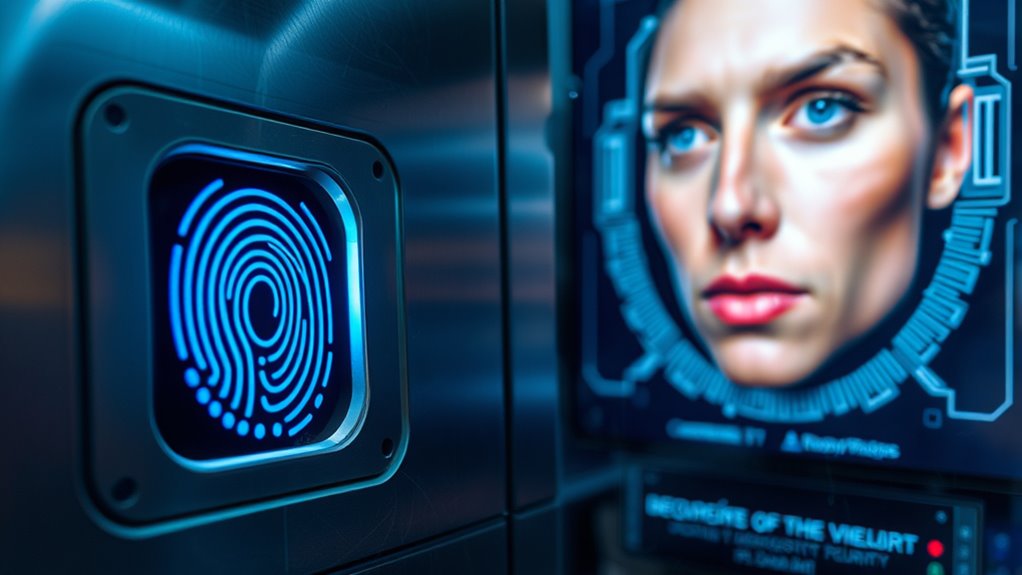
Biometrics has become a pivotal part of security systems, offering a way to verify identities quickly and accurately. By analyzing unique physical or behavioral traits, biometric systems provide a seamless alternative to traditional passwords or PINs. One of the most common methods is facial recognition, which scans facial features to confirm your identity, and fingerprint scanners that analyze ridge patterns on your fingertips. These technologies are designed to be fast, convenient, and difficult to forge, but they’re not foolproof. Understanding their vulnerabilities is key to appreciating their role in security.
Biometrics offers quick, accurate security but isn’t foolproof—understanding vulnerabilities is essential for effective protection.
Behavioral traits, such as the way you walk, speak, or type, are increasingly integrated into biometric systems. These traits add an extra layer of security because they’re harder to replicate than static physical features. For example, how you hold your device or your typing rhythm can be used to authenticate you passively and continuously. However, relying on behavioral traits also introduces challenges. They can change over time due to injury, age, or mood, potentially leading to false rejections or acceptance. Additionally, sophisticated attackers might attempt to manipulate or mimic these traits, although it’s considerably more complex than copying physical features.
Biometric spoofing remains a notable concern. It involves creating fake biometric data—like a high-resolution fingerprint mold or a detailed facial mask—to trick the system into granting access. While advancements in anti-spoofing measures have improved security, no system is entirely immune. For instance, some facial recognition algorithms can be fooled by high-quality images or videos, especially if liveness detection isn’t robust enough. Similarly, fingerprint scanners can sometimes be bypassed with artificial fingerprints made from gel or silicone. This vulnerability underscores that biometric data, once compromised, can be exploited repeatedly because it’s unchangeable—unlike passwords, you can’t simply change your fingerprint or face.
Despite these flaws, biometrics offer a powerful tool for security when used correctly. Combining multiple modalities—like face ID, fingerprints, and behavioral traits—can create layered defenses that are harder to spoof or deceive. Still, it’s essential to stay aware of the potential for biometric spoofing and the importance of continuously updating security protocols. As technology advances, so do the methods of attack, making it necessary for security systems to evolve just as rapidly. In the end, biometric authentication provides a robust security layer, but it’s not infallible, and understanding its limitations is key for maintaining effective protection.
biometric anti-spoofing facial recognition
As an affiliate, we earn on qualifying purchases.
As an affiliate, we earn on qualifying purchases.
Frequently Asked Questions
How Do Biometric Systems Protect User Privacy?
Biometric systems protect your privacy by using biometric data encryption, which secures your sensitive information from unauthorized access. They also implement user consent procedures, ensuring you’re aware of how your data is collected and used before registration. This combination helps prevent misuse or theft of your biometric data, giving you control over your personal information and maintaining your privacy in security processes.
Can Biometric Data Be Stolen or Hacked?
Yes, biometric data can be stolen or hacked. Hackers might exploit vulnerabilities like cross-device biometric hacking, gaining access across multiple devices. To protect your data, systems use biometric data encryption, making it harder for unauthorized users to access your information. However, no system is completely foolproof, so staying vigilant and ensuring your devices have the latest security updates is essential to minimizing risks.
Are There Ways to Spoof Biometric Authentication?
Yes, you can spoof biometric authentication, but it’s challenging. Hackers might try to deceive systems using photos, masks, or fake fingerprints. However, advanced methods like liveness detection help prevent this by verifying you’re physically present and alive. Combining biometric methods with multi-factor authentication adds extra security, making it much harder for someone to bypass your protection. Always stay updated on security features to keep your data safe.
How Do Biometric Systems Handle False Rejections?
Biometric systems handle false rejection rates by adjusting sensitivity levels to balance security and user convenience. When your fingerprint or face isn’t recognized, the system may prompt for an alternative method, reducing user inconvenience. Some systems incorporate fallback options like PINs or passwords. Developers continuously refine algorithms to minimize false rejections, ensuring smoother access while maintaining security, so you experience fewer frustrations without compromising safety.
What Are Future Trends in Biometric Security Technology?
Imagine a future where your security is seamless and foolproof. You’ll see advancements like behavioral biometrics, which analyze your unique habits, and multi-factor authentication, combining different methods for stronger protection. These trends aim to make unauthorized access nearly impossible, giving you peace of mind. As technology evolves, your personal data becomes safer, and security feels more intuitive and reliable, ensuring you stay protected in an increasingly digital world.
fake fingerprint detection device
As an affiliate, we earn on qualifying purchases.
As an affiliate, we earn on qualifying purchases.
Conclusion
Biometrics offer a promising security measure, but they’re not foolproof. Did you know that fingerprint sensors can be fooled with high-resolution images or molds? While 95% of smartphones now use facial recognition, vulnerabilities still exist. You can’t rely solely on these methods—stay aware of their flaws and combine them with other security practices. Ultimately, understanding both their strengths and weaknesses helps you better protect your personal information.
biometric security system with liveness detection
As an affiliate, we earn on qualifying purchases.
As an affiliate, we earn on qualifying purchases.
multi-modal biometric authentication device
As an affiliate, we earn on qualifying purchases.
As an affiliate, we earn on qualifying purchases.
Fall Picks
fall essentials
As an affiliate, we earn on qualifying purchases.