TL;DR

Get the latest gadgets delivered free — and shop member deals
- Fast, free delivery on millions of items
- Access to Prime Big Deal Days deals on October 6–7
- Prime Video, Amazon Music and more included
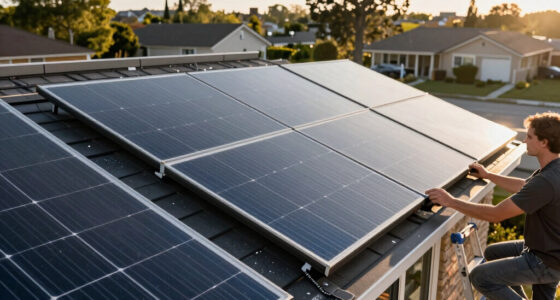
Tesla has stopped actively promoting its Solar Roof product, with deployment numbers declining sharply and customer service issues mounting. The company is now focusing on conventional solar panels, signaling a major strategic pivot.
Tesla has ceased actively marketing its Solar Roof product and has significantly reduced deployment efforts, instead prioritizing traditional solar panels, marking a major strategic shift for the company.
Since Elon Musk unveiled the Solar Roof in 2016, Tesla has installed approximately 3,000 systems in the U.S., far below its initial target of 1,000 roofs per week. The company stopped reporting deployment numbers after Q4 2022 and has not promoted Solar Roof since June 2023. Customer service issues have worsened, with Tesla outsourcing installations to third-party contractors, leading to complaints of delays, poor support, and unresolved problems. Tesla’s Solar Roof technology also faces technical limitations, such as reliance on string inverters that underperform under shading, and higher costs—averaging around $106,000—compared to traditional panels, which have a payback period of 7-12 years. The company settled a class-action lawsuit in 2023 over misleading pricing claims.
In early 2026, Tesla introduced a new line of conventional solar panels, including the TSP-420 model, with advanced power optimization, signaling a pivot away from Solar Roof. The company’s official communications and social media activity confirm a de-emphasis on Solar Roof, with recent earnings calls highlighting standard panels rather than the innovative tiles.
Why It Matters
This development signals a major reassessment of Tesla’s solar ambitions, with implications for customers, investors, and competitors. The shift away from Solar Roof reflects challenges in technology, economics, and customer service, raising questions about Tesla’s future role in residential solar. For consumers, it means fewer options and potential concerns over product support. For the industry, it underscores the difficulty of integrating aesthetic, innovative solar solutions into mass-market adoption.
As an affiliate, we earn on qualifying purchases.
Background
Elon Musk introduced the Solar Roof in 2016 as a revolutionary product that would replace traditional roofing materials with solar tiles, aiming for mass deployment by 2019. Despite high-profile marketing and acquisition of SolarCity, Tesla’s deployment lagged far behind targets, reaching only around 3,000 systems by early 2023. The product faced technical issues, high costs, and customer dissatisfaction. Meanwhile, Tesla’s overall solar business has contracted, with declining deployment figures and a strategic retreat from Solar Roof promotion. The company’s focus has shifted toward conventional panels, which are easier to produce, install, and service.
“Tesla is continuously evaluating our product portfolio to best serve our customers and align with our strategic goals.”
— Tesla spokesperson
“Tesla’s Solar Roof was an ambitious project that never achieved the scale or performance needed to be commercially viable, leading to a clear pivot towards traditional panels.”
— Industry analyst
As an affiliate, we earn on qualifying purchases.
What Remains Unclear
It is not yet clear whether Tesla will completely phase out Solar Roof technology or develop new iterations in the future. The company has not officially announced a discontinuation, and some existing systems remain operational, but its strategic focus has shifted decisively.
As an affiliate, we earn on qualifying purchases.
What’s Next
Next steps include Tesla’s rollout of new solar panel models like the TSP-420, further integration of power optimization technology, and possible future updates on Solar Roof development. Monitoring Tesla’s official communications and product announcements will clarify whether Solar Roof remains a long-term part of their portfolio.
As an affiliate, we earn on qualifying purchases.
Key Questions
Why did Tesla stop promoting the Solar Roof?
Tesla shifted focus due to poor deployment numbers, technical limitations, high costs, and customer service issues, making traditional panels a more viable option.
Will Tesla still support existing Solar Roof systems?
Support for existing systems is likely to continue, but Tesla’s emphasis on service and new installations appears to be waning, with many owners reporting delays and unresolved issues.
Is the Solar Roof technology still being developed?
There is no official confirmation, but recent product launches suggest Tesla is prioritizing conventional panels. The future of Solar Roof technology remains uncertain.
How does this affect Tesla’s overall energy strategy?
It indicates a strategic retreat from innovative roofing solutions towards more traditional, reliable solar panel technology, likely aimed at improving profitability and operational efficiency.
Halloween Picks
halloween
As an affiliate, we earn on qualifying purchases.