
Imagine a robot that can repair itself using living cells embedded within its structure. This innovation could dramatically increase durability and reduce downtime in critical tasks. As these bio-robots develop, they could adapt to unpredictable environments and perform functions beyond traditional machines. How far could this integration of biology and technology go, and what new possibilities might it unseal for industries and everyday life? The answers might reshape what you think machines can do.
Key Takeaways
- Bio-robots integrate living tissues with robotic systems to mimic biological functions and enable self-healing.
- Damage activates embedded living tissues that repair or regenerate affected areas autonomously.
- Synthetic tissues are designed to be compatible with living cells, facilitating seamless cellular repair processes.
- Self-healing capabilities reduce maintenance needs and extend operational lifespan in various environments.
- These bio-robots are used in medical procedures, environmental adaptation, and exploring autonomous, resilient systems.
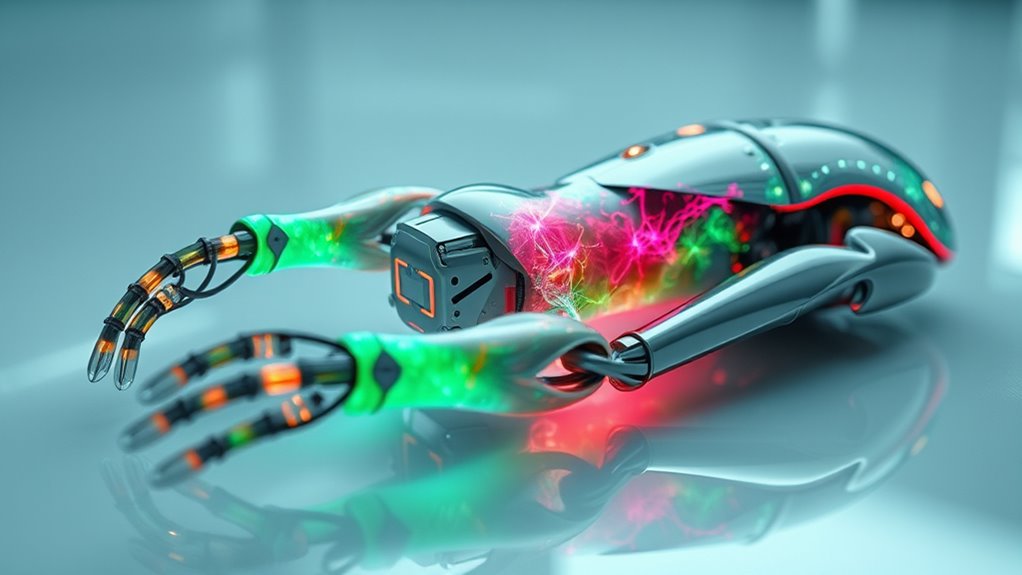
Bio-robots, also known as biologically inspired robots, blend living tissues with robotic systems to create machines that can mimic biological functions. These advanced creations harness the power of synthetic tissues, which are engineered to replicate natural biological materials. By integrating these synthetic tissues into their structure, bio-robots gain the ability to perform complex tasks that traditional robots struggle with, such as steering through unpredictable environments or adapting to changing conditions. One of the most exciting aspects of bio-robots is their capacity for cellular repair, enabling them to heal themselves much like living organisms do. This self-healing ability is made possible through the incorporation of living cells into their design, which can respond to damage by repairing or regenerating affected areas. As a result, bio-robots can sustain themselves longer and require less external maintenance, making them ideal for critical applications like medical procedures or hazardous exploration.
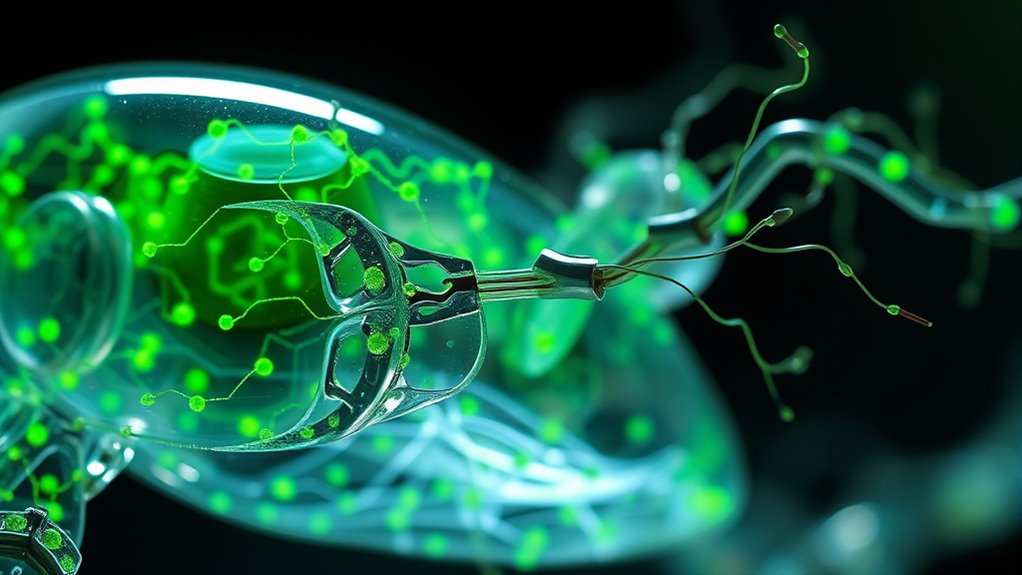
When your bio-robot encounters damage, the embedded living tissues activate cellular repair mechanisms. These mechanisms work similarly to how your body heals cuts or broken bones, but within a machine. The synthetic tissues used in bio-robots are designed to be compatible with living cells, allowing them to function seamlessly with the robotic components. This integration ensures that when a part of the bio-robot sustains damage, the living tissue signals for repair, promoting regeneration at a cellular level. It’s this synergy between biology and technology that makes bio-robots revolutionary. Unlike traditional robots, which require manual repair or replacement, bio-robots can autonomously address their own damage, reducing downtime and increasing reliability.
The potential of synthetic tissues in cellular repair extends beyond just fixing damage. They can also adapt to new functions over time, making bio-robots versatile and resilient. For example, they could develop new tissue structures to adapt to different environments or tasks, much like how living organisms evolve. This adaptability opens up a world of possibilities, especially in medicine, where bio-robots could be used to perform minimally invasive surgeries, repair tissues, or even replace damaged organs. The ability to heal themselves with living cells means these machines could operate in harsh or remote environments for extended periods without needing external intervention. As research advances, the boundary between organic and synthetic continues to blur, promising a future where bio-robots become indispensable tools in healthcare, exploration, and beyond.
Conclusion
Imagine yourself working alongside bio-robots that heal themselves like a wound that closes seamlessly—a true marvel of innovation. These machines blend biology and technology, making them incredibly resilient and adaptable. With their self-healing abilities, you can rely on them to perform complex tasks without constant maintenance. As you witness their growth, you’ll see a future where bio-robots become as essential as your own body’s resilience, transforming industries and redefining what’s possible.