
TL;DR

Get the latest gadgets delivered free — and shop member deals
- Fast, free delivery on millions of items
- Access to Prime Big Deal Days deals on October 6–7
- Prime Video, Amazon Music and more included
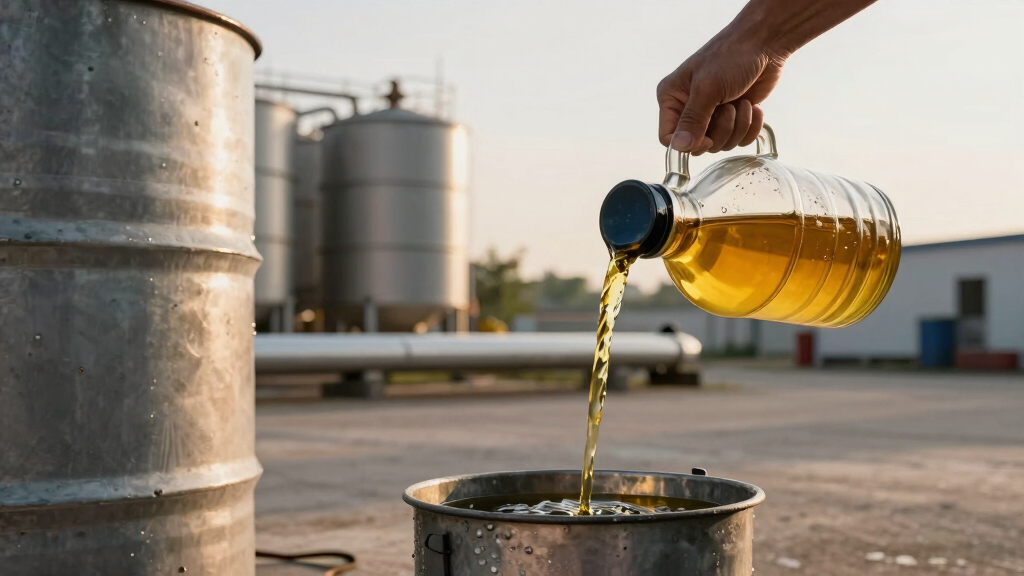
China is increasing its crude oil imports from multiple sources, including the US and Iran, to strengthen its energy security and expand geopolitical influence. This move coincides with high-level diplomatic engagements and ongoing disruptions in the Persian Gulf.
China is expanding its crude oil import sources to include the United States and Iran, aiming to bolster its energy security and extend its geopolitical influence as President Xi Jinping prepares for a summit with U.S. President Donald Trump.
Recent reports indicate that China has increased its crude oil purchases from diverse sources, including the US and Iran, despite longstanding sanctions and geopolitical tensions. In April 2026, at least 15 tankers departed the US for China, marking a significant shift in China’s oil procurement strategy, according to Nikkei Asia. This diversification allows China to mitigate risks from regional disruptions and sanctions, particularly in the Persian Gulf, where recent tensions have affected global oil flows. Beijing’s move to broaden its import portfolio appears to serve both economic and strategic purposes, enabling it to navigate complex international sanctions regimes while maintaining stable energy supplies, according to industry sources and analysts.
Why It Matters
This development is significant because it signals China’s willingness to challenge traditional U.S. influence over global energy markets and to leverage its purchasing power to extend its geopolitical reach. By sourcing oil directly from Iran, a country under U.S. sanctions, China is also sending a message about its stance on sanctions and its desire to diversify alliances. The move could impact global oil prices and influence regional stability, especially in the Persian Gulf, where disruptions have already affected supply chains. For global policymakers, this shift underscores China’s growing assertiveness in energy diplomacy and its potential to reshape international energy and geopolitical dynamics.
As an affiliate, we earn on qualifying purchases.
Background
China’s efforts to diversify its oil sources have been ongoing, but recent reports of increased imports from the US and Iran mark a notable shift. Historically, China has relied heavily on Middle Eastern oil, especially from Gulf countries, but recent disruptions and sanctions have prompted a strategic reevaluation. The US has traditionally been a major supplier to China, but geopolitical tensions and sanctions on Iran have limited direct trade. The current movement suggests a calculated attempt by China to balance its reliance on traditional suppliers with new, politically sensitive sources, especially as it seeks to assert independence from Western influence in energy markets.
“China’s expansion of its oil sources, including the US and Iran, indicates a strategic shift aimed at securing energy independence and extending its geopolitical influence.”
— Analyst at a Beijing think tank
“The increase in US-bound tankers is unusual and suggests China is testing the waters for broader energy diplomacy, despite existing sanctions on Iran.”
— US energy trade expert
As an affiliate, we earn on qualifying purchases.
What Remains Unclear
It remains unclear how sustainable these increased imports are amid ongoing sanctions and geopolitical tensions. The exact volume of oil sourced from Iran and the US, and the long-term strategic intentions behind these moves, are still developing. Additionally, the response from Western governments and regional actors has yet to be fully seen, making the broader impact uncertain.
As an affiliate, we earn on qualifying purchases.
What’s Next
Next steps include monitoring China’s official import data, observing diplomatic signals from Beijing and Washington, and assessing regional responses, especially from Gulf countries and Iran. High-level diplomatic engagements, such as Xi Jinping’s upcoming summit with Trump, may further clarify China’s strategic intentions and influence future energy trade policies.
As an affiliate, we earn on qualifying purchases.
Key Questions
Why is China sourcing oil from the US and Iran now?
China is diversifying its oil sources to enhance energy security and reduce reliance on traditional suppliers amid regional disruptions and sanctions, aiming to extend its geopolitical influence.
Does this mean China is violating sanctions on Iran?
While China is increasing oil imports from Iran, it officially states it complies with international laws. The moves are viewed as a strategic effort to diversify supply, but they raise questions about sanctions enforcement.
What impact could this have on global oil markets?
Increased Chinese imports from Iran and the US could influence global oil prices, potentially stabilizing or destabilizing markets depending on supply and geopolitical developments.
How might Western countries respond?
Western governments may scrutinize China’s increased dealings with Iran and the US, potentially imposing new sanctions or diplomatic measures if they view these moves as undermining sanctions regimes.
Fall Picks
fall essentials
As an affiliate, we earn on qualifying purchases.