
In developing countries, the creator economy offers you new ways to turn your skills and talents into income. Digital platforms like YouTube, TikTok, and Instagram enable you to reach global audiences and build sustainable revenue streams. You can diversify your income by selling digital products, offering online courses, or creating subscription content tailored to your local culture and interests. Keep exploring how these strategies can help you grow your presence and income in this dynamic space.
Key Takeaways
- Digital platforms enable creators in developing countries to monetize diverse skills beyond traditional jobs.
- Content localization enhances engagement and helps creators connect authentically with regional audiences.
- Multiple revenue streams, such as digital products and online courses, increase income sustainability for creators.
- Affordable technology and free editing tools democratize content creation, reducing entry barriers.
- Strategic monetization and cultural relevance strengthen community growth and long-term earning potential.
The creator economy is rapidly transforming opportunities for individuals in developing countries, enabling them to monetize their skills and talents like never before. With the rise of digital platforms, you now have more tools than ever to turn your creativity into income. One key to success is understanding effective monetization strategies. Instead of relying solely on ad revenue or sponsorships, you can explore diverse income streams such as selling digital products, offering online courses, or creating subscription-based content. These options give you the flexibility to build a sustainable income source that aligns with your strengths and interests. Additionally, developing a loyal audience is essential, and that’s where content localization plays an indispensable role. By tailoring your content to resonate with local cultures, languages, and preferences, you make your work more relatable and accessible. This approach helps you connect deeply with your community, increasing engagement and trust.
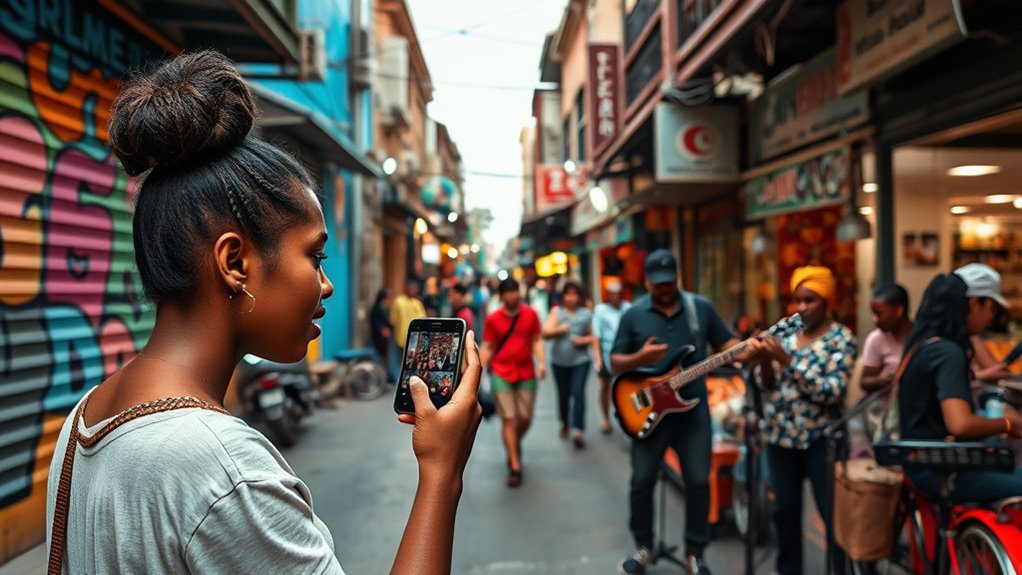
Content localization isn’t just about language translation; it involves understanding cultural nuances, trending topics, and regional interests. When you adapt your content to fit local contexts, you’re more likely to attract followers who identify with your message. For example, creating videos or posts that reflect local customs, festivals, or social issues demonstrates your relevance and authenticity. This not only broadens your reach but also encourages sharing within your community, amplifying your visibility. Additionally, localizing content helps you stand out in a crowded digital space, especially if your language or niche is underserved. It’s a strategic way to carve out your own space in the creator economy. Recognizing the importance of content authenticity can further strengthen your connection with your audience and foster trust over time.
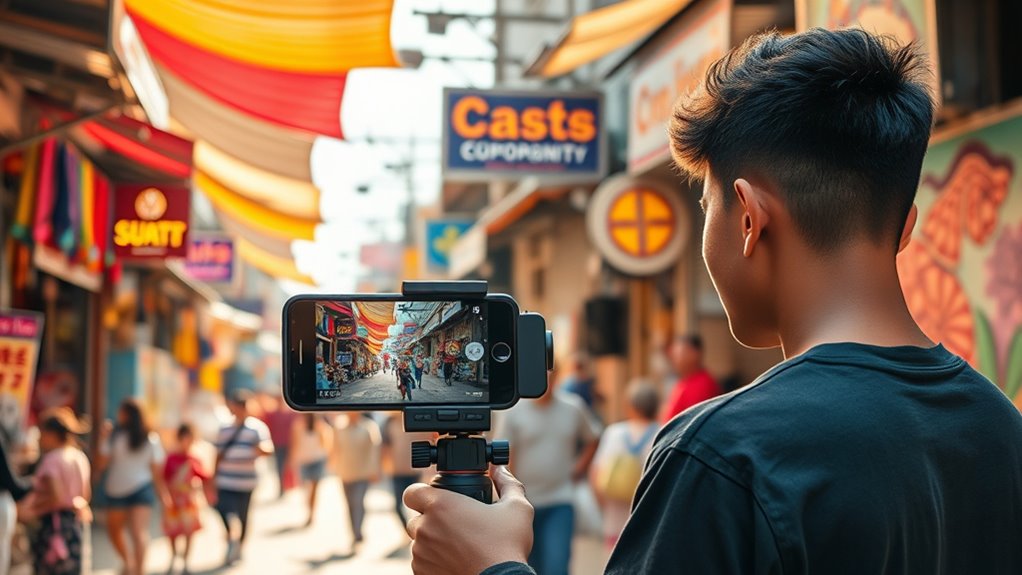
As you’re exploring these opportunities, keep in mind that technology makes it easier to access global markets. You don’t need expensive equipment or a massive budget—smartphones and free editing tools often suffice. Platforms like YouTube, TikTok, or Instagram allow you to reach audiences far beyond your immediate environment. To maximize your earning potential, diversify your monetization strategies and focus on content localization to build a genuine connection with your audience. Consistency, authenticity, and cultural relevance can turn your passion into a viable income source, opening doors that previously seemed out of reach. The creator economy is democratizing content creation, giving you the power to turn your talents into income, regardless of where you’re starting from.
Frequently Asked Questions
What Are the Main Challenges Creators Face in Developing Countries?
You face challenges like cultural barriers that may restrict your content’s reach and acceptance, and infrastructure limitations that hinder your ability to produce and distribute content smoothly. Limited internet access, unreliable electricity, and lack of advanced technology can slow down your growth. Overcoming these obstacles requires resilience, resourcefulness, and finding innovative ways to connect with audiences despite these hurdles. Staying adaptable helps you navigate these challenges effectively.
How Do Local Regulations Impact Creator Monetization Strategies?
Imagine scrolling through your content and suddenly hitting a legal barrier—local regulations and tax policies shape your monetization options. These regulations can restrict earnings or create complex compliance hurdles, making it hard to monetize effectively. You must navigate varying laws on copyright, licensing, and taxation, which may limit your income streams or require costly legal advice. Staying updated and flexible is key to turning local rules into opportunities rather than obstacles.
What Skills Are Most Valuable for New Creators in These Regions?
You should focus on developing strong digital storytelling skills and cultural adaptability. These skills help you connect authentically with your audience, showcasing local stories in compelling ways while respecting cultural nuances. Mastering digital storytelling enables you to craft engaging content that resonates, while cultural adaptability makes certain your creations stay relevant and respectful across diverse communities. These skills are essential for standing out and effectively monetizing your content in developing regions.
How Can Creators Access Global Markets From Developing Countries?
You can access global markets by leveraging digital collaboration tools like social media, online marketplaces, and content platforms. Focus on sharing your cultural storytelling to connect with diverse audiences worldwide. Collaborate with international creators, participate in global webinars, and use translation tools to broaden your reach. These strategies help you build a brand beyond your local community, opening up new opportunities and expanding your influence across the global creator economy.
What Role Do Mobile Devices Play in Content Creation and Consumption?
Mobile devices are essential for content creation and consumption, especially since over 85% of people in developing countries have mobile accessibility. Their device affordability makes them accessible to many aspiring creators, allowing you to produce videos, blogs, or social media posts easily. Smartphones empower you to reach global audiences anytime, anywhere, breaking down barriers and expanding your creative opportunities without needing expensive equipment.
Conclusion
As you explore the creator economy in developing countries, remember that over 60% of the population now has internet access, opening new opportunities for content creators. This rapid growth means you can reach wider audiences and monetize your passions like never before. Embracing these emerging markets not only boosts your potential income but also helps shape local economies. So, seize the chance—your creativity can thrive in this expanding digital landscape.