
Digital twins are virtual models that mirror physical assets, processes, or systems in real time. You can use them to monitor performance, run simulations, and identify issues before they happen. By integrating data and predictive analytics, they help optimize operations and support smarter decisions. Digital twins also enable collaboration and remote oversight, opening new possibilities. Keep exploring how these digital copies can transform your approach to managing complex systems and unleashing innovation.
Key Takeaways
- Digital twins are virtual replicas of physical assets or systems that enable real-time monitoring and management.
- They use detailed virtual models and simulations to predict system behavior and identify potential issues early.
- Integration of predictive analytics allows digital twins to forecast performance and optimize maintenance schedules.
- They support data-driven decision making by testing operational scenarios and enhancing system efficiency virtually.
- Digital twins facilitate collaboration, remote monitoring, and continuous innovation across various industries.

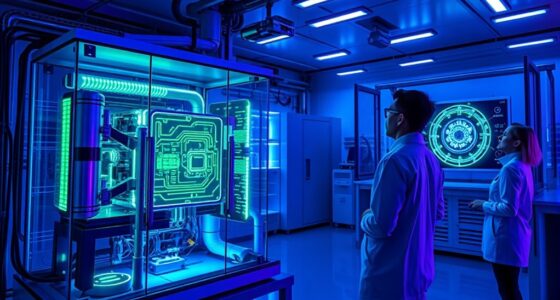
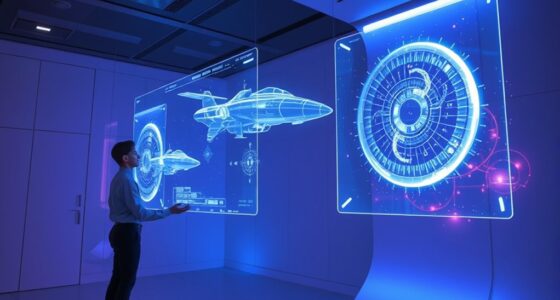
Digital twins are virtual replicas of physical assets, processes, or systems that allow you to monitor, analyze, and optimize their real-world counterparts in real time. This technology leverages virtual modeling to create detailed, dynamic representations of physical objects or systems, enabling you to visualize their behavior and interactions within a digital environment. Virtual modeling involves translating data from sensors and other sources into an all-encompassing, interactive model that accurately reflects the current state of the physical entity. With this setup, you can simulate different scenarios, identify potential issues before they occur, and implement improvements without disrupting the actual system.
Digital twins create dynamic virtual models to monitor, simulate, and optimize physical assets in real time.
By integrating predictive analytics into digital twins, you gain the ability to forecast future performance and detect anomalies early. Predictive analytics uses historical and real-time data to identify patterns and trends, helping you anticipate failures or inefficiencies with greater accuracy. For example, if you’re managing a manufacturing line, your digital twin can analyze data to predict when equipment might fail or require maintenance, reducing downtime and saving costs. This proactive approach is a significant advantage over reactive maintenance strategies, as it enables you to schedule interventions precisely when needed, rather than relying on guesswork or routine checks.
The combination of virtual modeling and predictive analytics makes digital twins powerful tools for decision-making. You can run simulations to test different operational scenarios, optimize workflows, and enhance system performance—all in a virtual environment. This not only improves efficiency but also minimizes risks associated with physical testing. As you gather more data over time, your digital twin becomes increasingly accurate and insightful, allowing for continuous improvement of your systems.
Moreover, digital twins facilitate better collaboration among teams, as everyone can access a shared, real-time view of the asset or process. This transparency helps in aligning strategies across departments, troubleshooting issues faster, and fostering innovation. You can remotely monitor complex systems and receive alerts on potential problems, making maintenance and operational adjustments more responsive and less costly.
In essence, digital twins harness the power of virtual modeling and predictive analytics to transform how you manage physical assets and systems. By creating detailed digital representations, you can optimize performance, reduce risks, and make smarter, data-driven decisions. Additionally, integrating email marketing tools with digital twins can enhance customer engagement by delivering targeted and personalized communications based on system performance data. As this technology evolves, its ability to simulate, predict, and improve real-world operations will only grow, offering you new opportunities to innovate and stay ahead in your industry.
Frequently Asked Questions
How Do Digital Twins Improve System Maintenance Efficiency?
Digital twins improve your system maintenance efficiency by enabling predictive analytics, so you can anticipate issues before they occur. They also support remote diagnostics, allowing you to troubleshoot problems without on-site visits. This proactive approach reduces downtime and maintenance costs, ensuring your systems run smoothly. By continuously monitoring and simulating real-world conditions, digital twins help you plan maintenance more effectively and respond quickly to potential failures.
What Industries Benefit Most From Digital Twin Technology?
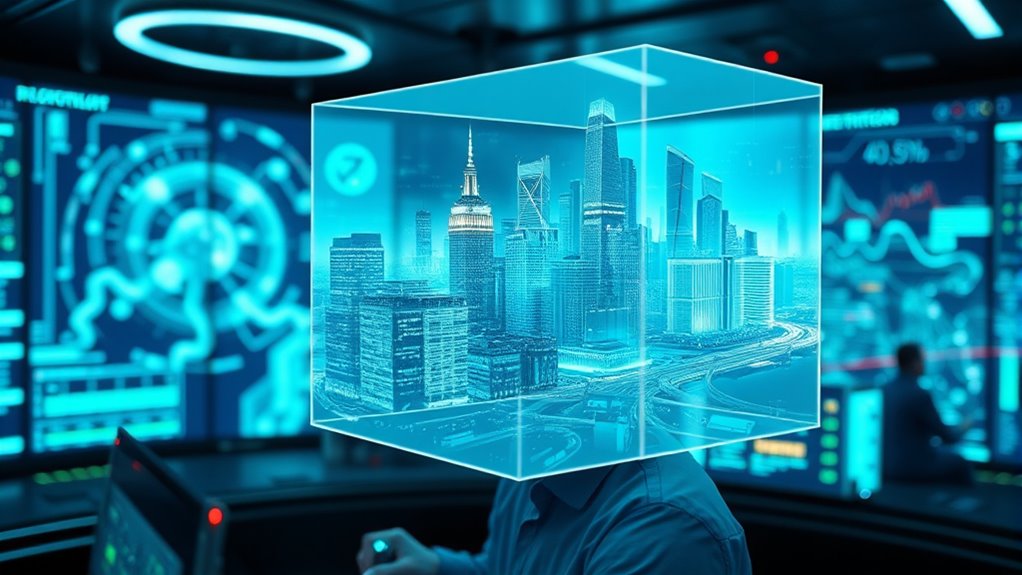
You’ll find industries like manufacturing and urban planning benefit most from digital twin technology. In manufacturing, it drives innovation by simulating processes and optimizing performance. Urban planners use digital twins to model cities, improve infrastructure, and enhance sustainability. This technology helps you visualize complex systems, predict outcomes, and make informed decisions, ultimately boosting efficiency and fostering innovation across these sectors.
How Secure Are Digital Twin Data Environments?
You should know that digital twin data environments are generally secure, but cybersecurity risks still exist. To protect your data, use strong data encryption and multi-layered security measures. Regularly update your security protocols and monitor for potential threats. While these steps considerably reduce vulnerabilities, stay aware of evolving cyber threats to ensure your digital twin environment remains protected from unauthorized access and data breaches.
What Are the Costs Associated With Implementing Digital Twins?
You’ll find that the costs associated with implementing digital twins include significant implementation expenses and ongoing maintenance. Cost considerations involve investing in advanced sensors, data infrastructure, and software development. While upfront expenses can be substantial, they often lead to long-term savings through improved efficiency and predictive maintenance. Planning your budget carefully is essential, ensuring you balance initial implementation expenses with the potential benefits digital twins can offer your operations.
How Do Digital Twins Adapt to Real-Time System Changes?
You guarantee your digital twin adapts to real-time system changes through continuous sensor calibration and data synchronization. As your physical system evolves, you regularly update sensor inputs to maintain accuracy, and synchronize data streams to reflect current conditions. This ongoing process keeps your virtual model aligned with reality, allowing your digital twin to respond dynamically to changes and support effective decision-making.
Conclusion
As you harness the power of digital twins, you unveil a mirror to reality itself—an echo that guides your decisions and innovations. These virtual worlds aren’t just simulations; they’re the keys to understanding, predicting, and improving your real systems with unparalleled precision. Embrace this digital reflection, and you’ll find that the future isn’t just ahead—it’s within your reach, shimmering like a star in the vast universe of possibility.