To support sustainability through coding, focus on creating energy-efficient software by choosing optimized algorithms, reducing unnecessary data transfers, and designing adaptive systems that scale effectively. Your developer choices can lower energy consumption, helping reduce carbon footprints from data centers. Using monitoring tools and sustainable infrastructure, like renewable energy sources, further enhances your efforts. Incorporating eco-friendly behaviors into your design can promote responsible usage. Keep exploring how green software engineering can amplify your positive impact on the environment.
Key Takeaways
- Green software engineering emphasizes designing energy-efficient applications that reduce carbon footprint and minimize resource consumption.
- Optimizing algorithms and minimizing server loads are crucial strategies for sustainable coding practices.
- Incorporating monitoring tools helps track and improve software energy efficiency over time.
- User-centered design can promote eco-friendly behaviors and environmentally responsible actions.
- Developers have an ethical responsibility to create sustainable software that supports environmental resilience and reduces global energy use.

Have you ever wondered how coding can help protect our planet? It might seem like technology is separate from environmental efforts, but in reality, software plays a vital role in reducing our impact on the environment. One of the most significant ways coding influences sustainability is by helping to lower our carbon footprint. Every digital activity consumes energy, and the more inefficient a program or system is, the more energy it wastes. By designing software that emphasizes energy efficiency, developers can drastically cut down on unnecessary power consumption. This not only benefits the environment but also reduces operational costs for organizations. Green software engineering focuses on creating applications that do more with less energy, optimizing algorithms, and minimizing server loads. When you write code that’s optimized for energy efficiency, you’re directly contributing to a reduction in greenhouse gas emissions caused by data centers and digital infrastructure.
Coding for energy efficiency reduces environmental impact and operational costs through optimized algorithms and mindful development.
Understanding how to develop energy-efficient software starts with mindful coding practices. You can choose algorithms that are faster and require less computation, which means less energy is used during operation. Additionally, implementing adaptive systems that scale resources based on demand ensures that servers aren’t wasting power when they’re underutilized. Cloud platforms now offer tools to monitor energy consumption, so you can keep track of how your software impacts the environment. This data empowers you to make adjustments, fine-tuning your code to be more sustainable over time. Incorporating renewable energy sources into the infrastructure that hosts your applications is another way to boost energy efficiency. While that’s more on the infrastructure side, your coding choices can influence how effectively that renewable energy is utilized. Furthermore, adopting energy-efficient coding practices can significantly enhance the sustainability of your projects.
Beyond the technical aspects, green coding also involves designing user experiences that encourage sustainable behaviors. For instance, creating applications that promote energy conservation or facilitate access to eco-friendly resources can drive positive change. As a developer, you hold the power to shape software that not only performs well but also aligns with environmental goals. By prioritizing energy efficiency in your projects, you help minimize the environmental impact of digital technology. Small optimizations, like reducing unnecessary data transfers or simplifying complex processes, add up over time. This collective effort can lead to significant reductions in energy consumption globally.
Ultimately, coding for sustainability isn’t just a trend; it’s a responsibility. Your skills can help create a more sustainable digital future by reducing the carbon footprint of software and infrastructure. It’s about making conscious choices in how you develop and deploy applications, ensuring that every line of code contributes to a healthier planet. When you embrace green software engineering, you become part of a movement that recognizes technology’s potential to foster environmental resilience and promote energy efficiency for generations to come.
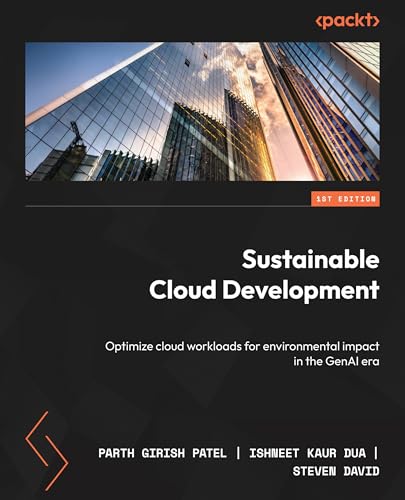
Sustainable Cloud Development: Optimize cloud workloads for environmental impact in the GenAI era
As an affiliate, we earn on qualifying purchases.
As an affiliate, we earn on qualifying purchases.
Frequently Asked Questions
How Can Developers Measure the Environmental Impact of Their Code?
You can measure the environmental impact of your code by tracking its energy consumption and carbon footprint. Use tools like energy profilers and carbon calculators that analyze how your software uses resources. Optimize your code for efficiency, reducing unnecessary processing and server load. Regularly monitor performance metrics, and compare results over time to see how your changes decrease energy use and lower your software’s carbon footprint, making it more sustainable.
What Are the Best Tools for Green Software Development?
Think of tools as your eco-friendly compass. You should explore energy-efficient algorithm analyzers like Green Algorithms or eco-friendly coding platforms such as EcoCode. These tools help you craft sustainable, efficient software by measuring energy consumption and guiding you toward greener programming practices. Embracing such tools enables you to champion eco-conscious development, reducing environmental impact and aligning your code with sustainable future goals.
How Does Sustainable Coding Affect Application Performance?
Sustainable coding improves application performance by boosting energy efficiency and resource optimization. When you write efficient code, your app uses less power and consumes fewer resources, leading to faster load times and smoother user experiences. By focusing on clean, optimized algorithms and minimizing unnecessary processes, you guarantee your application runs more effectively, reducing its carbon footprint while maintaining high performance. This balance benefits both users and the environment.
Are There Industry Standards for Green Software Engineering?
Think of green software engineering as a growing garden; industry benchmarks and eco-friendly certifications serve as your guiding sunlight. While there’s no single global standard, organizations like ISO and IEEE set industry benchmarks for sustainable practices. Certifications such as ENERGY STAR or Green Software Foundation validate your eco-conscious efforts. By aligning with these standards, you guarantee your software not only performs well but also nurtures the environment, making your impact truly sustainable.
How Can Companies Incentivize Sustainable Coding Practices?
You can incentivize sustainable coding practices by offering benefits like recognition or bonuses for eco-friendly coding, and encouraging the use of carbon offsets to reduce environmental impact. Promote awareness of green software engineering principles and provide training to help developers adopt eco-friendly coding techniques. By integrating sustainability metrics into performance reviews, you motivate your team to prioritize energy efficiency and carbon reduction, making eco-friendly coding a core part of your company culture.

Meross Smart Energy Consumption Monitor with 18 Circuit Monitoring, Electricity Usage Monitor, Real-Time Power Usage Monitor, Home Assistant Support, Smart Alerts, No Subscriptions, 2-Year Warranty
SAFE & RELIABLE: Meross smart energy consumption monitor is ETL‑certified and compliant with the UL 61010 testing standard,…
As an affiliate, we earn on qualifying purchases.
As an affiliate, we earn on qualifying purchases.
Conclusion
By coding for sustainability, you reduce your environmental impact, improve your software’s efficiency, and promote a greener future. You design with purpose, optimize with care, and innovate with responsibility. You embrace eco-friendly practices, prioritize energy efficiency, and foster sustainable growth. You become a steward of the environment, a champion of change, and a leader in green software engineering. By taking these steps, you not only code smarter but also contribute to a more sustainable world.

The Cellular Grid: How Distributed Energy Will Power AI, Data Centers, and the Next Industrial Era
As an affiliate, we earn on qualifying purchases.
As an affiliate, we earn on qualifying purchases.

Index Tabs for ICD-10-CM 2026/2025 The Complete Official Codebook, 72 Color-Coded Laminated Page Markers with Alignment Guide, Medical Coding Book Tabs(Book not Included) (ICD-10-CM 2025)
PACKAGE CONTENTS: A total of 72 ICD-10-CM 2026/2025 The Complete Official Codebook Tabs, 12 Blank Tabs, 1 Bookmark,…
As an affiliate, we earn on qualifying purchases.
As an affiliate, we earn on qualifying purchases.