
TL;DR

Get the latest gadgets delivered free — and shop member deals
- Fast, free delivery on millions of items
- Access to Prime Big Deal Days deals on October 6–7
- Prime Video, Amazon Music and more included
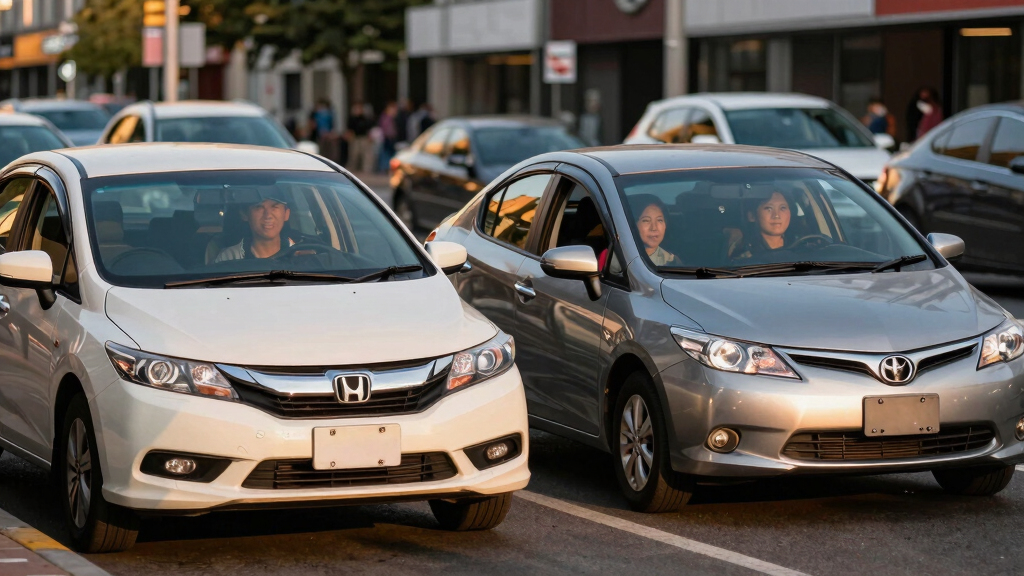
Honda and Toyota reported sharp declines in Chinese sales in April, driven by intensified local competition and rising fuel costs. The development signals mounting pressures on Japanese automakers in China’s evolving market.
Honda Motor and Toyota Motor experienced significant declines in Chinese vehicle sales in April, according to industry reports, as local competitors gain market share and higher fuel prices dampen consumer demand. The drop underscores mounting challenges for these Japanese automakers in China’s competitive auto market.
According to data from industry sources, Honda’s Chinese sales in April decreased by approximately 20% compared to the same month last year, while Toyota’s sales declined by around 15%. The decline is attributed to a surge in local competitors, such as BYD and Geely, which are expanding their market presence with new electric vehicle (EV) offerings. Additionally, rising fuel prices have led consumers to reconsider traditional gasoline-powered vehicles, further impacting Honda and Toyota’s sales figures.
Market analysts note that this downturn reflects broader shifts in China’s auto market, where EV adoption is accelerating and domestic brands are increasing their appeal through competitive pricing and innovative models. Honda and Toyota have also faced challenges related to supply chain disruptions and delays in rolling out new EV models tailored for Chinese consumers, according to industry insiders.
Why It Matters
This decline matters because Honda and Toyota are among the most prominent foreign automakers in China, a key market accounting for a significant portion of their global sales. The drop signals potential long-term pressures on their market share if local competitors continue to innovate and capture consumer preferences. It also highlights the shifting landscape of China’s automotive industry, where electric vehicles and local brands are gaining dominance, which could reshape the competitive dynamics for foreign automakers.
electric vehicle charging station
As an affiliate, we earn on qualifying purchases.
As an affiliate, we earn on qualifying purchases.
Background
Historically, Honda and Toyota have maintained strong positions in China, but recent years have seen increased competition from Chinese EV makers and other domestic brands. The Chinese government’s push for electric mobility and supportive policies have accelerated this trend. In 2025, both automakers announced plans to expand their EV offerings in China, but supply chain issues and delays have hampered their efforts. Meanwhile, local brands like BYD have launched aggressive marketing campaigns and introduced new EV models at competitive prices, further challenging Japanese automakers.
“The sharp decline in Honda and Toyota’s sales in April reflects the rapid pace at which Chinese automakers are innovating and capturing market share, especially in electric vehicles.”
— Jane Liu, automotive analyst at China Market Insights
“We are actively working to accelerate our EV development and expand local partnerships to better serve the Chinese market.”
— Toyota China spokesperson
As an affiliate, we earn on qualifying purchases.
What Remains Unclear
It remains unclear how long the sales decline will persist or whether Honda and Toyota can reverse the trend with new models or marketing strategies. Details about specific sales figures beyond April and the impact of upcoming product launches are still emerging.
As an affiliate, we earn on qualifying purchases.
What’s Next
Both companies are expected to accelerate their EV rollout in China and increase local partnerships. Monitoring sales data in the coming months will clarify whether these measures can stabilize or improve their market positions.
car maintenance tools for electric vehicles
As an affiliate, we earn on qualifying purchases.
As an affiliate, we earn on qualifying purchases.
Key Questions
Why are Honda and Toyota’s sales dropping in China?
Sales are declining due to increased competition from Chinese EV manufacturers, rising fuel prices reducing demand for gasoline vehicles, and delays in launching new EV models tailored for the Chinese market.
Are Honda and Toyota planning any new models for China?
Yes, both automakers have announced plans to expand their EV offerings in China, but specific launch timelines and models are still being finalized.
Will this decline affect Honda and Toyota globally?
While China is a significant market, the immediate impact on global sales is uncertain. However, sustained declines could influence overall company performance and strategic decisions.
How are local Chinese automakers responding?
Chinese brands like BYD, Geely, and NIO are rapidly expanding their EV portfolios, increasing marketing efforts, and offering competitive pricing to capture more market share.
Fall Picks
fall essentials
As an affiliate, we earn on qualifying purchases.