

You need to prioritize identity governance because it helps you manage access securely in a complex digital world. With increasing cyber threats and strict regulations, automating permissions and monitoring user activity protects your organization from risks. It also guarantees compliance with standards like GDPR, HIPAA, and SOX, reducing vulnerabilities. Strong identity governance enhances your ability to respond swiftly to threats and maintain trust. Keep exploring to find out how you can strengthen your security strategy even further.
Key Takeaways
- Growing cyber threats and regulatory requirements demand stricter access management and compliance measures.
- Increasing technological complexity necessitates streamlined identity governance for effective access control.
- Automating access processes reduces human error and enhances security in dynamic organizational environments.
- Continuous monitoring and audit capabilities ensure regulatory compliance and early detection of suspicious activity.
- Demonstrating strong identity governance builds stakeholder trust and protects organizational reputation.

In today’s digital landscape, managing who has access to your organization’s resources is more critical than ever. As cyber threats grow more sophisticated and regulatory requirements tighten, your ability to control and monitor access becomes a vital part of your security strategy. Identity governance helps you streamline access management, ensuring that the right people have the right permissions at the right times. It’s not just about preventing unauthorized access; it’s also about maintaining compliance and reducing risks. When you implement effective identity governance, you can set clear policies for user access, automate provisioning and de-provisioning, and keep an eye on how permissions are used across your organization. This proactive approach minimizes vulnerabilities and helps you respond quickly to suspicious activity.
Access management is at the heart of identity governance. By establishing consistent procedures for granting, modifying, and revoking access, you make sure employees, contractors, and partners only see what they’re supposed to. This prevents insider threats and limits the damage that can occur if credentials are compromised. Automated access management tools make it easier to enforce policies uniformly, reducing human error and ensuring compliance across all systems. When a new employee joins, for instance, their access can be automatically assigned based on their role, and when they leave, their permissions are promptly revoked. This process not only saves time but also enhances security by eliminating outdated or excessive permissions. Additionally, implementing color accuracy in your monitoring ensures that your security tools interpret user activity and permissions correctly, reducing false positives. Incorporating automated provisioning further streamlines onboarding and offboarding processes, reducing manual workload and potential errors. Staying current with evolving security standards is essential to maintaining a resilient access management framework. Regularly reviewing access controls can also help identify potential vulnerabilities, further strengthening your security posture. A comprehensive understanding of identity lifecycle management also plays a crucial role in maintaining effective access controls.
Compliance monitoring is another critical aspect of why identity governance is now a top priority. Regulations like GDPR, HIPAA, and SOX demand strict control over who accesses sensitive data and how that data is protected. You need to demonstrate that you’re following best practices, which means regularly auditing access logs, reviewing permissions, and reporting on compliance status. Identity governance tools provide you with detailed insights into user activity and access patterns, making it easier to spot anomalies and ensure adherence to regulatory standards. This ongoing compliance monitoring isn’t just about avoiding penalties; it’s about building trust with clients, partners, and stakeholders by showing that you take data security seriously.
Ultimately, the growing complexity of technology environments and regulatory landscapes makes identity governance indispensable. It empowers you to manage access more effectively, monitor compliance continuously, and respond swiftly to threats. As cyberattacks become more targeted and regulations more demanding, investing in robust identity governance isn’t just a good practice—it’s a necessary step to protect your organization’s reputation and assets.
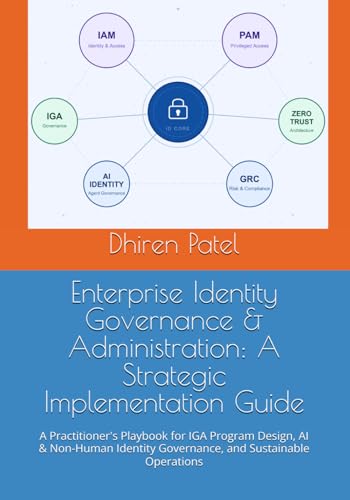
Enterprise Identity Governance & Administration: A Strategic Implementation Guide: A Practitioner's Playbook for IGA Program Design, AI & Non-Human Identity Governance, and Sustainable Operations
As an affiliate, we earn on qualifying purchases.
As an affiliate, we earn on qualifying purchases.
Frequently Asked Questions
How Does Identity Governance Differ From Traditional Access Management?
You’ll find that identity governance differs from traditional access management by focusing on thorough control through role provisioning and continuous access auditing. Instead of just setting permissions once, it actively manages user roles, ensures they align with policies, and audits access regularly. This approach helps you reduce risks, maintain compliance, and adapt quickly to changes, making your organization more secure and better equipped to handle evolving security challenges.
What Industries Benefit Most From Implementing Identity Governance?
You’ll find that industry sectors like healthcare, finance, and government benefit most from implementing identity governance. These sectors handle sensitive data and face strict compliance requirements, making security enhancements essential. By adopting identity governance, you can better control access, reduce risks, and meet regulatory standards. It’s a smart move—getting your ducks in a row now prevents headaches later, especially when protecting valuable information is on the line.
How Can Small Businesses Effectively Adopt Identity Governance?
You can effectively adopt identity governance by starting with simple user authentication processes and clear role assignment strategies. Implement multi-factor authentication to enhance security, and assign roles based on job functions to control access. Use automated tools to monitor and update user permissions regularly. Training your team on security best practices also helps guarantee everyone understands the importance of proper identity management, making your small business more secure and compliant.
What Are Common Challenges Faced During Identity Governance Implementation?
Oh, the joy of implementing user authentication and role management! You’ll likely face tangled permissions, confusing workflows, and resistance from staff who prefer chaos over clarity. Ensuring everyone has just the right access without opening security holes can feel like herding cats. The challenge lies in balancing robust security measures with user-friendly processes, all while avoiding the dreaded “access denied” frustrations and maintaining compliance amid constant policy changes.
How Does Identity Governance Support Regulatory Compliance?
Identity governance supports regulatory compliance by ensuring data privacy and controlling access to sensitive information. It helps you enforce policies, monitor user activities, and maintain accurate access records, reducing risks and preventing unauthorized data leaks. By automating access reviews and enforcing compliance standards, it streamlines risk mitigation, making it easier for you to meet regulatory requirements and demonstrate adherence during audits.

Jonard Tools UUT-425 Ubiquiti Wifi Access Point Base Unlock & Reset Tool
UBIQUITI ACCESS POINTS: Quickly releases the locking tab on Ubiquiti Wifi Access Points to unlock the base in…
As an affiliate, we earn on qualifying purchases.
As an affiliate, we earn on qualifying purchases.
Conclusion
As you navigate the complex maze of digital security, identity governance becomes your guiding lighthouse, illuminating the path through shadows of risk and uncertainty. It’s not just about managing access; it’s about anchoring trust and safeguarding your organization’s future. When you prioritize identity governance, you’re building a resilient fortress around your data—strong, vigilant, and ready to face any storm that comes. In this digital dawn, it’s your beacon for a safer, more secure horizon.
automated user provisioning system
As an affiliate, we earn on qualifying purchases.
As an affiliate, we earn on qualifying purchases.
Network Performance Monitoring Solution A Complete Guide
As an affiliate, we earn on qualifying purchases.
As an affiliate, we earn on qualifying purchases.