
TL;DR

Get the latest gadgets delivered free — and shop member deals
- Fast, free delivery on millions of items
- Access to Prime Big Deal Days deals on October 6–7
- Prime Video, Amazon Music and more included
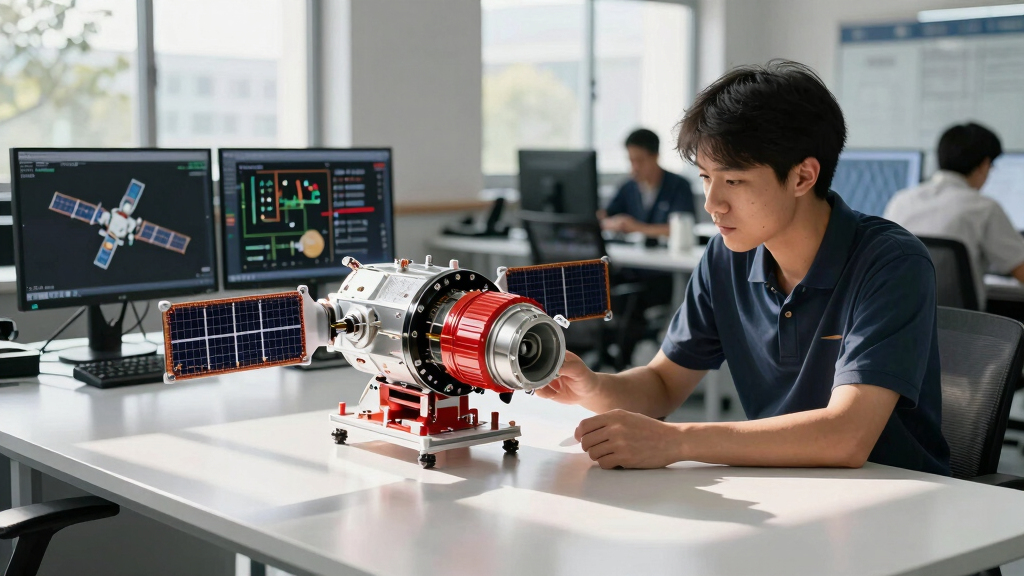
Japan’s space startups will conduct training for engineers from India, Philippines, and Indonesia under a new JICA initiative. The program aims to build regional satellite expertise and foster international cooperation. Details about the program’s scope and timeline are still emerging.
Japan’s International Cooperation Agency (JICA) has announced a new program in which Japanese space startups will train engineers from India, the Philippines, and Indonesia, aiming to bolster regional satellite manufacturing and data analysis capabilities.
The initiative involves Japanese startups providing hands-on training to professionals from the three Asian nations, focusing on satellite development, deployment, and data utilization. The program is part of Japan’s broader effort to strengthen international cooperation in space technology, particularly in developing countries. While specific details about the training curriculum, duration, and participating startups are still being finalized, sources confirm the program’s launch is underway.
The training will take place primarily in Japan, leveraging the expertise of Japanese space companies, which have been increasingly active in satellite technology and small satellite launches. The goal is to develop local talent and create sustainable regional space industries, aligning with Japan’s strategic interests in fostering international partnerships in space.
Why It Matters
This development is significant because it represents Japan’s proactive approach to expanding its influence in Asia’s growing space industry. By training engineers from India, the Philippines, and Indonesia, Japan aims to create a network of skilled professionals capable of advancing satellite technology across the region. This can lead to increased regional cooperation, shared technological advancements, and a more integrated Asian space ecosystem. For the participating countries, the program offers a valuable opportunity to develop local capabilities without the need for extensive domestic infrastructure investment.
satellite engineering training kit
As an affiliate, we earn on qualifying purchases.
As an affiliate, we earn on qualifying purchases.
Background
Japan has been steadily increasing its presence in the global space sector, with numerous startups and government initiatives focusing on satellite technology and space data services. The Japan International Cooperation Agency (JICA) has historically supported development projects across Asia, and this new program aligns with Japan’s strategic goals to promote technological collaboration. India, the Philippines, and Indonesia have all announced ambitions to expand their space capabilities, with India already operating a mature space program and the others seeking to develop their satellite industries. This initiative marks a significant step in fostering regional capacity-building through Japanese expertise.
“This program aims to empower developing nations with the skills necessary for satellite manufacturing and data analysis, fostering regional growth and cooperation.”
— A JICA spokesperson
“We are excited to share our expertise and help build sustainable space capabilities in these emerging markets.”
— A Japanese startup executive involved in the program
small satellite development tools
As an affiliate, we earn on qualifying purchases.
As an affiliate, we earn on qualifying purchases.
What Remains Unclear
It is not yet clear which specific startups or institutions will participate, the exact timeline of the training program, or the scope of the curriculum. Details about funding and long-term collaboration plans are still being finalized.
As an affiliate, we earn on qualifying purchases.
What’s Next
Next steps include the formal announcement of participating startups, detailed planning of the training modules, and scheduling of the initial training sessions. Monitoring how participating countries integrate these skills into their national programs will be an ongoing process.
satellite manufacturing equipment
As an affiliate, we earn on qualifying purchases.
As an affiliate, we earn on qualifying purchases.
Key Questions
Which Japanese startups will be involved in the training?
The specific startups have not yet been publicly disclosed; details are expected to be announced as planning progresses.
How long will the training program last?
The duration of the program has not been confirmed but is expected to span several months, with initial sessions possibly starting later this year.
What are the expected outcomes for participating countries?
Participants aim to develop local expertise in satellite manufacturing, data analysis, and space technology, enabling them to support regional development and space industry growth.
Is this part of a broader Japan-Asia space cooperation effort?
Yes, this initiative aligns with Japan’s broader strategy to strengthen regional ties and technological collaboration in space across Asia.
Fall Picks
fall essentials
As an affiliate, we earn on qualifying purchases.