To safeguard Docker and Kubernetes systems, you should implement secure image management by controlling creation, storage, and deployment of images with private registries and vulnerability scans. Pair this with real-time threat detection to monitor active containers for suspicious activity and anomalies. Enforce policies like image signing and verification to guarantee integrity. Combining these strategies creates a layered defense that reduces risks and boosts security. Keep exploring to discover how these practices work together seamlessly.
Key Takeaways
- Control and verify images using private registries, vulnerability scans, and trusted supply chain practices.
- Implement runtime threat detection to monitor container behavior and identify suspicious activities in real time.
- Enforce image signing, verification, and access controls to maintain container integrity and prevent unauthorized deployments.
- Regularly update security policies, detection rules, and scanning processes to defend against evolving threats.
- Adopt a layered defense strategy combining secure image management, active monitoring, and proactive vulnerability mitigation.
Have you ever considered how secure your containerized applications really are? If you’re deploying with Docker or Kubernetes, ensuring your system’s security should be a top priority. One of the foundational steps is implementing secure image management. This involves controlling how container images are created, stored, and deployed. You want to make sure that only trusted images make their way into your environment. Using private registries with access controls helps prevent unauthorized image pulls, reducing the risk of malicious or tampered images running in your system. Regularly scanning images for vulnerabilities before deployment is essential. Automated tools can identify known security flaws within images, enabling you to update or replace insecure ones proactively. secure image management isn’t just about preventing vulnerabilities; it’s about establishing a trusted supply chain for your containers, ensuring that every image is verified and safe before it even runs.
Secure container images with trusted registries and vulnerability scans to build a reliable deployment pipeline.
Once your images are secure and deployed, the next vital layer is runtime threat detection. This is where you monitor your containers while they’re active, looking for suspicious behavior that might indicate an attack or compromise. Runtime threat detection tools analyze system activities, network traffic, and process behaviors in real time. They can spot anomalies such as unusual network connections, unexpected privilege escalations, or unauthorized file modifications. By catching these threats early, you reduce the chance of a breach escalating into a serious security incident. The goal is to have a proactive security stance—detecting threats as they happen allows you to respond swiftly, contain the damage, and prevent attackers from gaining persistent access.
Combining secure image management with robust runtime threat detection creates a layered defense that substantially strengthens your container security posture. Secure images minimize the attack surface upfront, while runtime threat detection acts as an active shield during operation. Implementing policies for image signing and verification adds another layer of integrity, ensuring only authorized images are used. Meanwhile, deploying real-time monitoring tools aligned with your orchestration platform helps you maintain visibility over your entire environment. Regularly updating threat detection rules and scanning for new vulnerabilities keeps your defenses current against evolving threats.
In essence, safeguarding your containers isn’t just about one or two security measures; it’s about integrating multiple strategies. Focus on managing images securely from the start, and complement that with vigilant, ongoing runtime threat detection. These steps not only protect your applications but also give you peace of mind, knowing you’re defending against the complex and ever-changing landscape of container security threats.
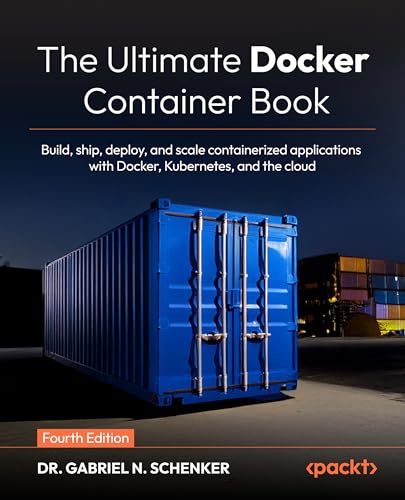
The Ultimate Docker Container Book: Build, ship, deploy, and scale containerized applications with Docker, Kubernetes, and the cloud
As an affiliate, we earn on qualifying purchases.
As an affiliate, we earn on qualifying purchases.
Frequently Asked Questions
How Do I Securely Manage Container Secrets?
To securely manage container secrets, you should implement secrets management tools like HashiCorp Vault or Kubernetes Secrets, which help control access and storage. Use encryption strategies to protect secrets both at rest and in transit, ensuring only authorized services can decrypt them. Regularly rotate secrets and avoid hardcoding them in images or code. By combining secrets management with encryption, you minimize the risk of exposure and maintain a secure container environment.
What Are the Best Practices for Container Network Security?
To secure your container networks, focus on container segmentation and network segmentation. You should isolate containers into different segments based on their roles, limiting lateral movement if a breach occurs. Use firewalls and network policies to control traffic flow between segments, enforce least privilege access, and monitor traffic for anomalies. Regularly update network security rules and implement encryption to protect data in transit, ensuring your container environment stays secure.
How Can I Automate Container Vulnerability Scanning?
You can automate container vulnerability scanning by integrating tools like Clair, Trivy, or Anchore into your CI/CD pipeline. This allows continuous, automated scanning for vulnerabilities, catching issues early. Pair this with effective vulnerability management practices, like prioritizing fixes and tracking remediation. Automating these steps guarantees rapid detection, reducing risk while maintaining efficient development cycles, keeping your container environment secure without manual effort.
What Are Common Container Security Misconfigurations?
You should watch out for misconfigurations like inadequate container isolation, which can allow containers to access unintended resources, and overly permissive privilege settings, risking privilege escalation. Make sure your containers run with the least privileges needed, avoid mounting unnecessary host directories, and configure network policies properly. Regularly review your security settings to prevent attackers from exploiting these vulnerabilities, keeping your systems protected from common container security misconfigurations.
How Do I Ensure Compliance in Container Environments?
You guarantee compliance in container environments by conducting regular container audits to identify vulnerabilities and misconfigurations. Use automated tools to monitor container activity and enforce security policies continuously. Maintain thorough compliance reporting to track your adherence to standards like CIS benchmarks and PCI DSS. By integrating audit results into your security workflows, you stay proactive in addressing issues, minimizing risks, and demonstrating compliance to stakeholders and auditors alike.
Kubernetes vulnerability scanning software
As an affiliate, we earn on qualifying purchases.
As an affiliate, we earn on qualifying purchases.
Conclusion
Think of your container environment as a bustling fortress. Just as a fortress needs sturdy walls and vigilant guards, your Docker and Kubernetes systems require robust security measures. By staying proactive and vigilant, you guarantee your digital castle remains safe from invaders. Remember, the strength of your defenses determines the safety of your entire kingdom. Keep your security practices sharp, and your container fortress will stand resilient against any threat that comes its way.

Notary v2 & OCI Signing: Shipping Trusted Container Images
As an affiliate, we earn on qualifying purchases.
As an affiliate, we earn on qualifying purchases.

CONTAINER RUNTIME SECURITY : Hardening and Tools
As an affiliate, we earn on qualifying purchases.
As an affiliate, we earn on qualifying purchases.