
TL;DR

Get the latest gadgets delivered free — and shop member deals
- Fast, free delivery on millions of items
- Access to Prime Big Deal Days deals on October 6–7
- Prime Video, Amazon Music and more included
In Q1 2026, AMD achieved a record 46.2% of x86 server CPU revenue, up from previous levels, while Intel still controls 70% of server CPU units. AMD also gains ground in client markets, but Intel remains dominant in units.
AMD has achieved a record 46.2% of all x86 server CPU revenue in the first quarter of 2026, according to Mercury Research, while Intel still controls approximately 70% of server CPU units. This marks a notable shift in market dynamics, emphasizing AMD’s growing influence in high-margin server markets.
Mercury Research reports that AMD’s server CPU unit share increased to 33.2% in Q1 2026, up from 28.8% in the previous quarter. Despite this, Intel remains the dominant supplier in units, with a 66.8% share. However, AMD’s revenue share in servers reached 46.2%, a jump of 5% from the previous quarter, reflecting higher average selling prices and the popularity of premium EPYC processors. AMD’s growth in server revenue is driven by expanding adoption across hyperscale cloud providers, enterprises, and AI/HPC sectors.
In the broader x86 CPU market, AMD also increased its share in client segments, notably in notebooks, where its mobile CPU revenue share rose to 28.9%. AMD’s desktop CPU market share declined slightly from the previous quarter but remains above 33%, while Intel’s desktop share increased to 66.8%. In the consumer space, Intel continues to lead with 70.4%, though AMD’s gains reflect its strengthening position in premium and mobile segments.
Why It Matters
This development signals a significant shift in the server CPU market, with AMD capturing nearly half of revenue despite still shipping fewer units than Intel. The increased revenue share indicates AMD’s higher ASPs and success in premium markets, which could influence pricing and competitiveness moving forward. For investors and industry watchers, AMD’s expanding footprint in servers suggests potential for increased market influence and profit margins, challenging Intel’s longstanding dominance.
As an affiliate, we earn on qualifying purchases.
Background
Historically, Intel has dominated the server CPU market, controlling roughly 70% of units and revenue for years. AMD’s EPYC processors have gained traction over recent years, especially in cloud and enterprise deployments, but the scale of revenue growth in Q1 2026 marks a major milestone. The shift comes amid ongoing processor launches, including AMD’s latest EPYC models and Intel’s upcoming Nova Lake processors, which are expected to impact market shares further.
“AMD’s server CPU revenue share reached 46.2%, a record high, driven by increased adoption in hyperscale, enterprise, and AI markets.”
— Mercury Research
“While Intel still ships more units, AMD’s higher ASPs and premium offerings are reshaping revenue dynamics in the server space.”
— Industry analyst
As an affiliate, we earn on qualifying purchases.
What Remains Unclear
It remains unclear how Intel’s upcoming Nova Lake processors will influence market shares in the second half of 2026, or whether AMD can sustain its revenue growth amid potential market and supply chain fluctuations.
As an affiliate, we earn on qualifying purchases.
What’s Next
Industry analysts anticipate that AMD will continue to expand its server revenue share, especially as EPYC processors gain further traction. Intel’s launch of Nova Lake processors, expected later this year, could alter competitive dynamics. Monitoring AMD’s ability to convert revenue gains into broader unit share growth will be key.
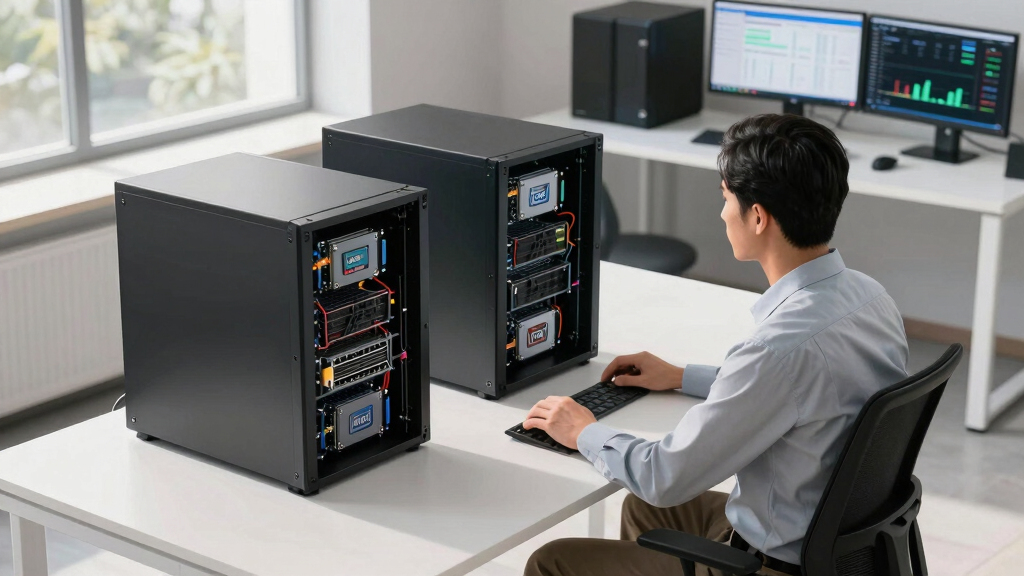
enterprise x86 server processors
As an affiliate, we earn on qualifying purchases.
As an affiliate, we earn on qualifying purchases.
Key Questions
It is a record high for AMD in the server market, indicating a substantial shift in revenue dynamics and higher-value sales driven by premium processors.
Does AMD’s growth in server revenue mean it is overtaking Intel overall?
Not yet. While AMD’s revenue share is increasing, Intel still ships more server units and controls a larger portion of the market in terms of units. The revenue growth reflects higher ASPs for AMD’s processors.
Potentially. Intel’s Nova Lake processors are expected to be a significant release, and their performance and pricing could influence future market shares in both units and revenue.
AMD’s server CPU revenue share (46.2%) significantly exceeds its unit share (33.2%), indicating higher ASPs and premium product adoption.
Fall Picks
fall essentials
As an affiliate, we earn on qualifying purchases.