TL;DR

Get the latest gadgets delivered free with Prime
- Fast, free delivery on millions of items
- Prime Video, Amazon Music and more included
- Member-only deals all year
Russian semiconductor company Mikron is selling limited-edition framed test wafers as souvenirs, some containing up to 120,000 chips. The wafers feature Russian-designed chips like the AMUR MIK32 RISC-V. This move highlights Russia’s efforts to showcase its microelectronics industry amid geopolitical tensions.
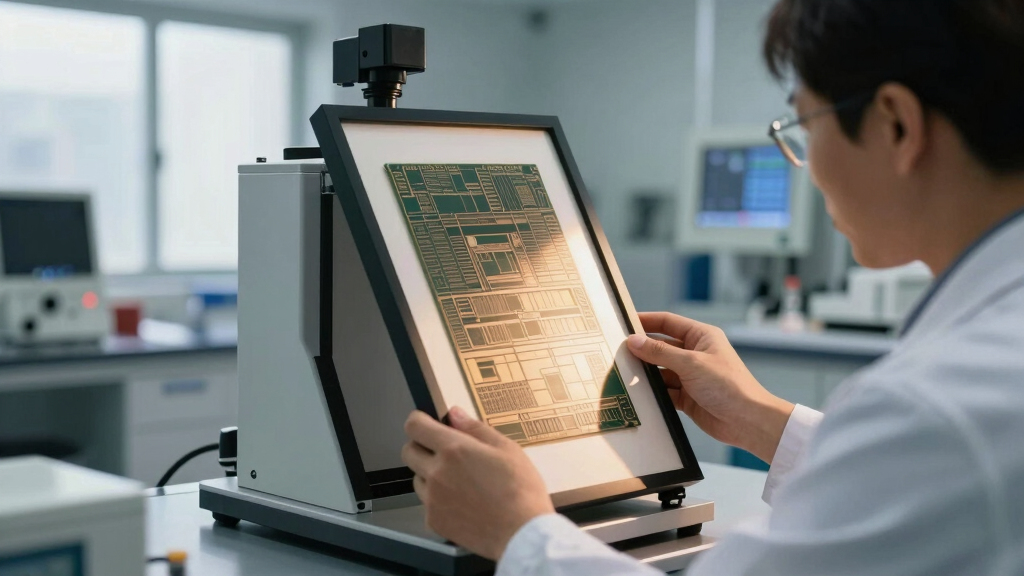
Russia’s Mikron has begun selling limited-edition framed test wafers featuring Russian-made microchips, including the AMUR MIK32 RISC-V processor, as souvenirs. The product, which combines microelectronics with collectible art, underscores Russia’s efforts to promote its semiconductor industry amid geopolitical challenges.
The wafers are 200mm silicon discs, each potentially containing between 30,000 and 120,000 chips, depending on the design. Mikron offers 12 different wafer designs, priced at approximately 12,500 rubles (~$170), with themes ranging from space to transportation. Buyers select their preferred design and frame color, though the specific chips embedded are determined randomly, making each souvenir unique.
Some wafers feature the AMUR MIK32 RISC-V chip, produced domestically in Russia since 2022, with Mikron preparing to launch a new version, the MIK32-2. The wafers are intended as collectibles and are not functional electronic components but serve as a showcase of Russian microelectronics capabilities. The wafers’ packaging includes a label emphasizing their Russian origin and technological significance.
Why It Matters
This development is notable because it highlights Russia’s efforts to promote its semiconductor industry and national technological pride amid international sanctions and restrictions on chip imports. The sale of such wafers as souvenirs also symbolizes a form of soft power, showcasing Russian microelectronics to a broader audience. It may influence perceptions of Russia’s technological self-sufficiency and innovation capacity.
Products Worth Considering

Amazon Kindle Scribe (3rd Generation), 64GB, 11-inch Display, Graphite, with Premium Pen

Samsung Galaxy Tab A11+ 11-Inch Tablet, 6GB RAM, 128GB Storage, Expandable, Gray

Logitech MX Ergo S Advanced Wireless Trackball Mouse USB-C – Graphite
As an affiliate, we earn on qualifying purchases.
Background
Russia’s semiconductor industry has faced significant challenges since Western sanctions intensified in 2022, limiting access to advanced manufacturing equipment and foreign chips. Mikron, one of Russia’s key chipmakers, has focused on producing domestically designed processors like the AMUR MIK32 RISC-V, a Russian-developed architecture. The company’s move into selling wafer souvenirs is a novel marketing approach, blending industry showcase with consumer collectibles. Prior efforts have centered on developing indigenous chip designs and re-establishing manufacturing capabilities within Russia’s geopolitical constraints.
“Our wafer souvenirs are a symbol of Russia’s technological progress and a tribute to our microelectronics industry.”
— Mikron spokesperson
“Some wafers feature the AMUR MIK32 RISC-V chip, produced domestically since 2022, with Mikron preparing a new version, the MIK32-2.”
— Dmitrii Kuznetsov, tech enthusiast
What Remains Unclear
It remains unclear how many wafers have been sold, the exact number of chips per wafer in each design, or whether Mikron plans to expand this souvenir line. The functional status of the chips embedded in the wafers is not specified; they are intended as collectibles, not operational components. Details about the production volume and future releases are still emerging.
What’s Next
Mikron is likely to continue marketing these wafers as limited-edition collectibles, possibly releasing new designs or themes. The company may also leverage this initiative to promote its latest processor, the MIK32-2, and to bolster its image as a self-reliant microelectronics producer. Monitoring sales figures and consumer reception will clarify the impact of this marketing approach.
Key Questions
Are these wafers functional electronic components?
No, these wafers are intended as collectibles and souvenirs; they are not designed to function as operational chips in electronic devices.
How many chips are on each wafer?
The number of chips varies between 30,000 and 120,000 per wafer, depending on the design, but exact counts for each design are not publicly specified.
Why is Mikron selling wafers as souvenirs?
This initiative aims to showcase Russia’s microelectronics industry and promote national technological achievements, blending industry marketing with cultural memorabilia.
Will Mikron sell more wafer designs in the future?
It is not yet confirmed, but the company may release additional designs or themes depending on demand and strategic goals.