TL;DR
Listen free for 30 days with Audible
Thousands of audiobooks and originals — cancel anytime.
Start your free trialAs an affiliate, we earn on qualifying purchases.
ByteDance is investigating autonomous driving technology via its Seed AI research team, with early-stage work on physical AI and potential applications in unmanned logistics. The company has not announced any commercial plans yet.
ByteDance is conducting early research into autonomous driving technology through its Seed world-model team, according to a July 13 report from 36Kr. The company confirmed ongoing research into physical AI but stated it has no plans to develop an autonomous-driving business, leaving the scope and intent of the project uncertain.
36Kr reported that ByteDance’s exploration is overseen by Zhou Chang’s world-model group within Seed, the company’s foundational AI research organization. Industry insiders indicated that the project has reached an early preparation stage and that ByteDance has recruited specialists with experience in assisted-driving and autonomous-driving systems. A separate source suggested the focus could be on unmanned logistics, potentially linked to Volcano Engine, ByteDance’s cloud computing arm.
ByteDance clarified that its research involves advanced AI fields such as physical AI, but emphasized it does not currently have plans for a dedicated autonomous vehicle product. The project’s exact scope, including vehicle platforms, partners, testing, and deployment timelines, remains undisclosed.
Implications of ByteDance’s Autonomous Driving Exploration
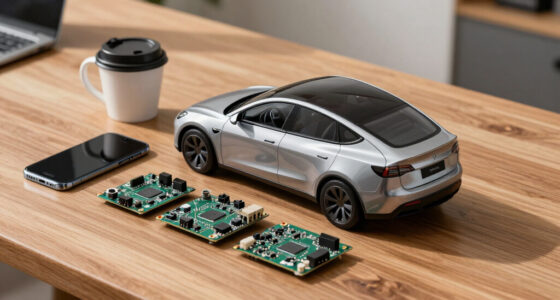
This development signals ByteDance’s interest in extending its AI expertise into physical systems, particularly in areas like traffic scene prediction and robotics. While the company has the infrastructure and talent, entering the autonomous vehicle market involves complex challenges, including data collection, vehicle integration, safety validation, and regulatory approval. The move could eventually connect ByteDance’s AI research to logistics and automotive services, but no commercial plans have been confirmed.
autonomous vehicle development kit
As an affiliate, we earn on qualifying purchases.
As an affiliate, we earn on qualifying purchases.
ByteDance’s Growing Focus on Physical AI and World Models
Founded in 2023, ByteDance’s Seed organization works across large language models, multimodal AI, visual generation, and world models. Zhou Chang, who joined ByteDance in 2024, oversees research into embodied intelligence and physical reasoning. World models aim to simulate environments and predict changes, which are crucial for autonomous navigation. However, a driving-specific model would require a deeper understanding of traffic physics, beyond general physical reasoning.
While ByteDance has invested heavily in AI infrastructure and talent, the application of these models to real-world driving remains in early research stages, with no confirmed product development or testing plans announced.
“We are conducting early research across advanced AI fields, including physical AI, but currently have no plans to develop an autonomous-driving business.”
— ByteDance spokesperson
As an affiliate, we earn on qualifying purchases.
Unconfirmed Aspects of ByteDance’s Autonomous Driving Plans
It remains unclear whether ByteDance has authorized a formal autonomous vehicle project or is only conducting initial research. There are no publicly confirmed details about partnerships, vehicle testing, or product launches. The company’s official stance emphasizes research without indicating commercial intentions, so any market entry remains speculative.
As an affiliate, we earn on qualifying purchases.
Next Steps in ByteDance’s Autonomous Driving Research
Future developments could include hiring more specialists, establishing partnerships with automakers, or initiating road tests. Official announcements from ByteDance or Volcano Engine regarding vehicle platforms or testing permits would clarify the project’s trajectory. Continued research and potential disclosures will determine if this remains a research initiative or progresses toward commercial deployment.
autonomous driving simulation software
As an affiliate, we earn on qualifying purchases.
As an affiliate, we earn on qualifying purchases.
Key Questions
Is ByteDance officially entering the autonomous vehicle market?
No, ByteDance has stated it is only conducting early research into physical AI and has no plans for a commercial autonomous-driving business.
Which team at ByteDance is involved in this autonomous driving research?
The work is linked to ByteDance’s Seed world-model team, overseen by Zhou Chang, focusing on physical AI and embodied intelligence.
What applications could ByteDance be considering for this technology?
Industry sources suggest a focus on unmanned logistics, potentially connected to Volcano Engine’s automotive services, but this has not been confirmed by ByteDance.
When might we see commercial autonomous driving products from ByteDance?
There are no announced timelines or plans for commercial deployment. The project remains in early research stages, with future steps depending on research outcomes and strategic decisions.
What are the main challenges ByteDance faces in developing autonomous driving systems?
Challenges include traffic data collection, vehicle software integration, safety validation, and regulatory approval. These factors make market entry complex and uncertain at this stage.
Source: ThorstenMeyerAI.com
Flea & tick season Picks
flea and tick prevention
As an affiliate, we earn on qualifying purchases.