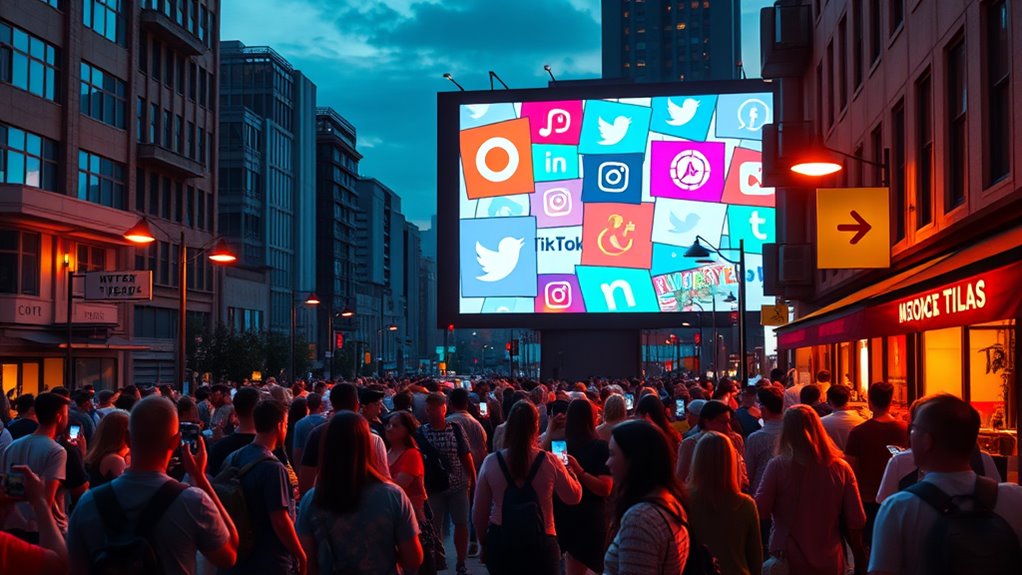

As Twitter’s influence wanes, you’re exploring a variety of platforms that offer more personalized and transparent experiences. Users are turning to niche communities, regional platforms, and emerging apps like Threads, TikTok, and Instagram to stay connected and find authentic content. This fragmentation means you’ll encounter diverse voices and unique spaces tailored to specific interests. If you want to understand how this shift impacts your social media habits, keep going for more insights.

Get the latest gadgets delivered free — and shop member deals
- Fast, free delivery on millions of items
- Access to Prime Big Deal Days deals on October 6–7
- Prime Video, Amazon Music and more included
Key Takeaways
- Users are diversifying across platforms like TikTok, Instagram, Threads, and niche communities, reducing reliance on Twitter.
- Many migrate to platforms offering better transparency and control over content feeds, such as Mastodon or Bluesky.
- Regional and niche social media sites are gaining popularity, catering to localized and interest-specific audiences.
- Users are exploring decentralized and open-source platforms to avoid algorithmic opacity and promote authentic engagement.
- Fragmentation leads to segmented influencer ecosystems, prompting users to follow different personalities on various platforms.

In recent years, social media has become increasingly fragmented, with users spreading across dozens of platforms rather than sticking to a few giants. This shift considerably impacts how you engage with content and who influences your online experience. As users explore new spaces, the influencer dynamics change dramatically. No longer confined to major platforms like Twitter, influencers now operate across TikTok, Instagram, Threads, and niche communities, each with its own rules and audience expectations. This diversification means you’re exposed to a broader range of voices, but it also complicates your ability to follow and trust influencers consistently. You might find yourself following different personalities for different interests, which fragments your attention and loyalty.
One reason for this shift is the lack of transparency around algorithms. Platforms have historically kept their algorithms under wraps, making it hard for you to understand why certain content appears on your feed. This opacity fuels frustration, especially when you notice content you’re genuinely interested in gets buried or suppressed. As platforms experiment with algorithm transparency, you start to grasp how content is prioritized, which influences your choices about where to spend your time. When you see behind the curtain, you can better navigate the complex landscape, choosing platforms that align with your preferences and values. Transparency also helps you evaluate influencer recommendations more critically, understanding whether they’re genuinely authentic or simply boosted by algorithms designed to maximize engagement.
With the fragmentation of social media, you’re likely seeking platforms that offer more control over your feed and content visibility. As users demand more transparency, platforms are responding, but it’s still a mixed bag. You may find yourself switching between apps, each with different algorithmic rules and influencer ecosystems. These shifts often lead to a more personalized experience but can also create echo chambers or filter bubbles. The influence of algorithms on what you see means your online world can become more curated, but it’s also more opaque, making it harder to discern genuine content from paid promotions or algorithm-driven suggestions. Additionally, the rise in regional and niche platforms highlights the importance of understanding local legal resources, which can influence your online and offline experiences.
Ultimately, social media fragmentation challenges your ability to follow consistent influencer narratives and understand how content is surfaced. Platforms that embrace algorithm transparency and foster authentic influencer engagement are more likely to retain your trust. As you navigate this complex landscape, it’s essential to remain aware of how algorithms shape your experience and to seek out spaces that prioritize clarity and authenticity. The future of your social media journey depends on your ability to adapt to these changes and to critically assess where and how you engage online.
As an affiliate, we earn on qualifying purchases.
Frequently Asked Questions
How Do Platform Algorithms Influence User Migration?
Platform algorithms strongly influence your migration by prioritizing content that boosts engagement metrics, making platforms more addictive. If you notice algorithm bias favoring certain posts or users, you might seek alternative sites with more transparent or diverse algorithms. This shift happens because you want a fairer, more engaging experience, prompting you to explore platforms where your preferences are better understood and less manipulated by engagement-driven algorithms.
What Demographic Shifts Are Observed Across New Social Media Platforms?
You’ll notice demographic shifts on new social media platforms, with younger users and niche communities increasingly engaging there. These platforms attract more diverse age groups, often seeking authentic connections or specialized content. As a result, user engagement varies, with some platforms experiencing rapid growth among specific demographics. This shift influences content styles and interactions, making the social media landscape more fragmented but also more tailored to distinct user interests.
How Does Social Media Fragmentation Affect Online Communities?
You’ll notice that social media fragmentation leads to increased community fragmentation, making it harder to find like-minded groups. Remarkably, over 60% of users now prefer niche platforms, which reduces platform homogeneity but fragments communities further. This shift means your online experiences become more specialized but less centralized, impacting how you connect, share, and build relationships within digital spaces.
Are There Privacy Concerns With Emerging Social Media Apps?
Yes, emerging social media apps can pose privacy risks and threaten data security. You might share personal info unknowingly or face data breaches if apps don’t have strong security measures. It’s vital to stay cautious by reading privacy policies, adjusting app permissions, and using secure passwords. Always remember, the more you share, the higher your risk of exposing sensitive information to potential misuse or hacking.
What Role Do Content Creators Play in Platform Switching?
Content creators substantially influence platform switching through influencer impact and content diversity. When they diversify their content or move to new platforms, they attract their followers, encouraging others to follow suit. Your favorite creators can shape your platform choices, as their presence and style influence what feels engaging and authentic. This dynamic shifts user loyalty and fosters new communities, making content creators pivotal in the evolving social media landscape.
As an affiliate, we earn on qualifying purchases.
Conclusion
As you navigate the ever-changing social media landscape, remember that change is the only constant. Just like a river carving new paths, users are shifting towards platforms that better suit their needs. While it might seem chaotic now, this fragmentation sparks fresh opportunities for connection and innovation. Keep in mind, “A rising tide lifts all boats,” so embracing these shifts can lead you to new horizons and stronger digital communities.
decentralized social media platforms
As an affiliate, we earn on qualifying purchases.
As an affiliate, we earn on qualifying purchases.
As an affiliate, we earn on qualifying purchases.
Fall Picks
fall essentials
As an affiliate, we earn on qualifying purchases.