
TL;DR
Japan’s recent employment data shows a near-record hiring rate for new graduates. However, increased adoption of artificial intelligence by companies is raising questions about the sustainability of this trend. Experts warn that AI could lead to hiring cutbacks, impacting future job prospects for graduates.
Japan’s employment rate for new university graduates remains near a record high, according to government data released Friday, but the increasing adoption of artificial intelligence across industries is raising concerns about potential impacts on future hiring patterns.
The latest government figures show that Japan’s employment rate for new graduates from universities has reached 97.5%, a level close to the historic high recorded in recent years. This indicates a robust job market for graduates as companies continue to hire actively.
However, industry insiders and analysts are warning that the growing integration of artificial intelligence into business operations could lead to hiring cutbacks next year. Several companies are reportedly considering reducing recruitment or automating roles traditionally filled by new graduates, citing AI as a key factor in their strategic planning.
Why It Matters
This development is significant because Japan’s economy relies heavily on a stable employment market for young workers, which supports economic growth and social stability. The potential slowdown in hiring due to AI could impact the country’s labor market, affecting recent graduates’ job prospects and the broader economy.
Moreover, this trend highlights a broader global concern about AI’s impact on employment, with Japan serving as a case study of how technological advancements may reshape hiring practices in mature economies.
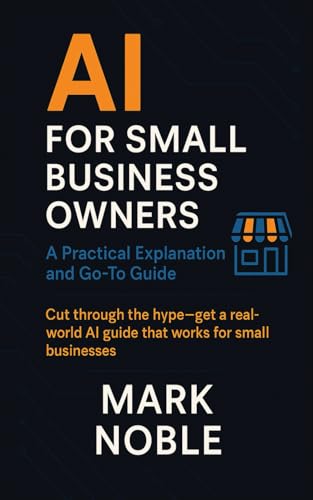
AI for Small Business Owners: A Practical Explanation and Go-To Guide
As an affiliate, we earn on qualifying purchases.
As an affiliate, we earn on qualifying purchases.
Background
Japan has historically maintained high employment rates for new graduates, supported by a strong domestic job market and government initiatives. The current data reflects a resilient hiring environment, but recent reports indicate that companies are increasingly integrating AI technologies into their workflows. This shift began accelerating in late 2025, with many firms exploring automation and AI-driven decision-making tools. While the near-term outlook remains positive, experts warn that the long-term effects of AI on employment could alter this trend.
“While the current employment rate remains high, AI adoption could lead to a slowdown in hiring, especially for entry-level positions traditionally filled by new graduates.”
— Kenji Takahashi, labor economist
“We are actively exploring AI solutions that automate many routine tasks, which might impact future recruitment plans for new graduates.”
— Yuki Sato, HR director at TechInnovate

ADJ Products, MYDMX Buddy, Entry Level DMX Hardware Dongle Compatible with MYDMX 2.0 Software MYD858
- Compatible with MyDMX 2.0 Software: Enables intuitive lighting control
- Plug-and-Play Design: Connects directly to fixtures or DMX runs
- Professional DMX Features: Includes 256 live channels and 12 stand-alone channels
As an affiliate, we earn on qualifying purchases.
As an affiliate, we earn on qualifying purchases.
What Remains Unclear
It is not yet clear how quickly companies will implement AI-driven automation and how significantly this will affect hiring for new graduates. The extent of potential job cuts or shifts in recruitment strategies remains uncertain, and official forecasts have yet to be updated to reflect these technological changes.
AI in Strategy and Decision-Making for Small Business Owners: Affordable AI Tools to Evaluate Ideas, Model Outcomes, and Set Priorities (AI Productivity for Small Business Owners Book 10)
As an affiliate, we earn on qualifying purchases.
As an affiliate, we earn on qualifying purchases.
What’s Next
Next steps include monitoring corporate hiring plans as AI technologies become more widespread, and government agencies may release updated employment forecasts. Further research is expected to clarify how AI adoption will influence the labor market in the coming year.
![DeskFX Free Audio Effects & Audio Enhancer Software [PC Download]](https://m.media-amazon.com/images/I/41fXbDohyuS._SL500_.jpg)
DeskFX Free Audio Effects & Audio Enhancer Software [PC Download]
- Audio Transformation: Enhance sound via speakers and headphones
- Sound Quality Improvement: Adjust audio with various effects
- Audio Control: Manage sound through hardware settings
As an affiliate, we earn on qualifying purchases.
As an affiliate, we earn on qualifying purchases.
Key Questions
Will AI lead to fewer jobs for new graduates in Japan?
It is possible that AI could reduce demand for certain entry-level roles, but the full impact will depend on how quickly companies adopt automation and how they balance AI with human labor. The situation remains uncertain.
Are all industries affected equally by AI integration?
No, some sectors like manufacturing and finance are more advanced in AI adoption, while others such as healthcare and education may see slower integration. The impact will vary across industries.
What can graduates do to prepare for changes caused by AI?
Graduates are advised to develop skills in areas less susceptible to automation, such as creative thinking, problem-solving, and technology management, to enhance their employability.
Will government policies support workers affected by AI automation?
Currently, there are discussions about implementing retraining programs and social safety nets, but specific policies are still under development and have not yet been finalized.
Source: Nikkei Asia