
TL;DR
U.S. stock markets extended their winning streak to eight weeks, driven by strong corporate earnings, even as consumer sentiment declined sharply. The divergence highlights ongoing economic uncertainties.
U.S. stock markets continued their upward trajectory Friday, with major indices reaching near their all-time highs, even as a new survey showed consumer sentiment plunged to a record low, indicating growing household discouragement amid inflation concerns. Wall Street keeps rising, even as U.S. households keep getting more discouraged.
The S&P 500 increased by 0.4%, closing at 7,473.47, its eighth consecutive weekly gain—the longest since 2023. The Dow Jones rose by 294 points (0.6%) to 50,579.70, and the Nasdaq gained 0.2%, closing at 26,343.97. Strong earnings reports from companies like Ross Stores, Estee Lauder, Workday, and Zoom Communications contributed to the market rally, with Ross Stores up 8.1% after exceeding profit and revenue expectations.
Meanwhile, a survey by the University of Michigan revealed U.S. consumer sentiment fell to its lowest level ever recorded, with inflation expectations rising to 4.8% over the next year and 3.9% over the longer term. The survey highlighted increased worries among lower-income households and across political lines, particularly amid fears of rising fuel prices due to geopolitical tensions involving Iran.
Oil prices remained volatile, with Brent crude settling at $100.21 per barrel after fluctuations linked to uncertainty about the Strait of Hormuz. Bond yields also climbed, with the 10-year Treasury yield at 4.56%, reflecting inflation concerns that have led traders to abandon bets on rate cuts by the Federal Reserve. Fed officials, including Gov. Christopher Waller, indicated a cautious stance, emphasizing the need to monitor evolving data and geopolitical developments.
Why It Matters
This divergence between rising stock prices and declining consumer confidence underscores ongoing economic uncertainty. While corporate earnings boost market performance, households’ discouragement suggests potential weakness in consumer spending, which is a key driver of economic growth. The widening gap raises questions about the sustainability of the current market rally and signals potential risks ahead if consumer sentiment continues to worsen.

The Inside World of Gold Markets: A Practical Guide for Investors at Every Level
As an affiliate, we earn on qualifying purchases.
As an affiliate, we earn on qualifying purchases.
Background
Stocks have been buoyed recently by strong earnings reports and expectations of resilient corporate profits, despite concerns over inflation and geopolitical tensions. The recent streak of weekly gains marks a significant rebound after a volatile start to 2026. Meanwhile, consumer sentiment has suffered amid rising inflation expectations, fuel price volatility, and geopolitical uncertainties, especially related to Iran and the Strait of Hormuz, which impact oil prices and economic outlooks.
“We saw strong customer traffic through the quarter, likely benefiting from households spending their tax refunds.”
— Jim Conroy, CEO of Ross Stores
“If I believe inflation expectations start to become unanchored, I would not hesitate to support an increase in the target range for the federal funds rate.”
— Federal Reserve Governor Christopher Waller

Trading: Technical Analysis Masterclass: Master the financial markets
Language: english
As an affiliate, we earn on qualifying purchases.
As an affiliate, we earn on qualifying purchases.
What Remains Unclear
It remains unclear whether the divergence between stock market performance and consumer sentiment will persist long-term. The impact of geopolitical tensions on oil prices and inflation, as well as future Federal Reserve policy moves, are still uncertain and could influence market and economic trajectories.
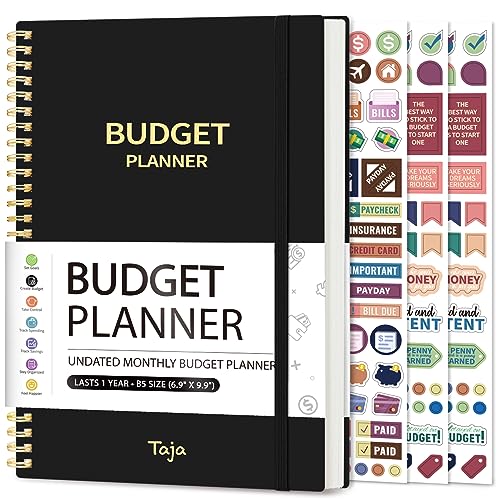
Budget Planner – Monthly Budget Book with Expense Tracker Notebook, Undated Bill Organizer & Finance Planner to Take Control of Your Money, Account Book to Manage Your Finances-Black
Effective Budget Planning – Take control of your finances with the budget account book. This comprehensive planner allows…
As an affiliate, we earn on qualifying purchases.
As an affiliate, we earn on qualifying purchases.
What’s Next
Investors and policymakers will closely monitor upcoming economic data, especially consumer spending figures, inflation reports, and geopolitical developments. The Federal Reserve is expected to continue observing data before making further interest rate decisions, while markets will react to any new signs of economic slowdown or geopolitical escalation.

Auto Face Tracking Tripod 360° Rotating Cell Phone Photo and Video Kits Stand, No App, Camera Stand with Remote and Gesture Control, Rechargeable Smart Shooting Stand for Live Recording Tiktok(Black)
【360°Real-time Smart Face Tracking Shooting】This smart face tracking phone holder uses a real-time artificial intelligence computing system that…
As an affiliate, we earn on qualifying purchases.
As an affiliate, we earn on qualifying purchases.
Key Questions
Why are stock markets rising while consumer confidence is falling?
Stock markets often focus on corporate earnings and economic indicators that may temporarily outperform household sentiment, especially when companies report strong profits. However, consumer confidence reflects household perceptions of economic stability, which can decline even amid rising markets.
What are the main factors causing consumer discouragement?
Rising inflation expectations, higher fuel prices, and geopolitical tensions involving Iran are key factors fueling household worries, especially among lower-income groups less able to absorb increased costs.
Could the divergence between markets and households signal a slowdown?
Yes, if consumer sentiment continues to decline, it could lead to reduced spending, potentially slowing economic growth and affecting corporate profits, which may eventually impact stock prices.
What will influence the Federal Reserve’s next move?
The Fed will consider upcoming inflation data, employment figures, and geopolitical developments. High inflation expectations and geopolitical risks suggest rates may stay elevated or increase, rather than be cut.
Source: Google Trends