
TL;DR
This article explores the intricate process of repairing modern camera lenses in 2024, highlighting technical steps, tools, and industry implications. It emphasizes the low barrier to entry for enthusiasts and the importance of precise diagnostics.
In 2024, repairing modern camera lenses has become more accessible and technically detailed, driven by increased consumer interest and industry innovations. A recent case study of repairing a Sigma 45mm f/2.8 lens illustrates the process, tools, and challenges faced by both professionals and enthusiasts.
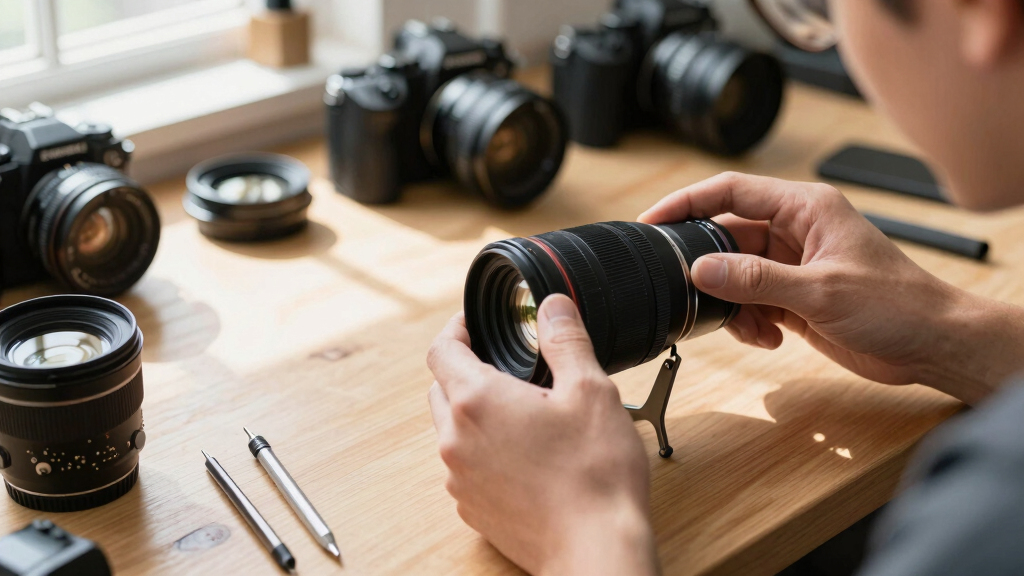
The repair process begins with a careful external inspection, followed by disassembly using specialized tools such as JIS screwdrivers, magnifiers, and flexible cables. The repairer in the case study identified electrical faults in the control PCB, which is typical in modern lenses that integrate electronic controls. Disassembly involves removing the lens mount, contact blocks, and PCB, with particular attention to flex cables prone to tearing. Using multimeters, technicians verify the integrity of electrical traces before proceeding. The control PCB contains microcontrollers, power regulators, and other components that require precise troubleshooting. The repairer emphasizes that most tools needed are standard, such as compressed air, cleaning solutions, and small screwdrivers, making DIY repairs feasible for skilled enthusiasts.
Why It Matters
This development matters because it highlights the increasing complexity of modern camera lenses, which combine mechanical and electronic components. The accessible repair process reduces costs for consumers, extends the lifespan of equipment, and fosters a DIY culture in photography gear maintenance. It also signals a shift in industry practices, where detailed knowledge and specialized tools enable more repairs outside manufacturer service centers.

SNLxStudioz Camera Lens Repair Tool Kit (8-83mm) – 9-Piece Rubber Lens Ring Remover & Filter Wrench Set – Friction Grip Spanner for DSLR, Vintage Lens & Fungus Removal – Non-Marring Opener
SAFELY REMOVE STUBBORN RINGS – High-grip rubber lens opener design easily loosens factory-sealed retaining rings, nameplates, and jammed…
As an affiliate, we earn on qualifying purchases.
As an affiliate, we earn on qualifying purchases.
Background
Over the past decade, camera lens technology has evolved from purely optical devices to sophisticated units with electronic interfaces for autofocus, aperture control, and stabilization. As these features become standard, repairs now often involve diagnosing and fixing electronic faults alongside mechanical issues. The recent surge in affordable, detailed repair guides and the availability of specialized tools has empowered enthusiasts and small repair shops to undertake complex repairs previously reserved for manufacturers.
“The barrier to repairing modern lenses is lower than ever, thanks to detailed guides and common tools, but understanding the electronics is crucial.”
— Industry repair expert
“Most of the tools are standard, but careful handling of flex cables and PCB inspection are key to successful repairs.”
— Enthusiast repairer

Vessel Precision Screwdriver Set TD-56S / +0, 00, 000, 0000, -0.7, -0.9
Latest edition of our precision screwdriver series.
As an affiliate, we earn on qualifying purchases.
As an affiliate, we earn on qualifying purchases.
What Remains Unclear
It remains unclear how widespread these repair practices are across the industry, and whether manufacturers will adopt more repair-friendly designs in future models. Additionally, the long-term reliability of DIY repairs on complex electronic components is still being evaluated.
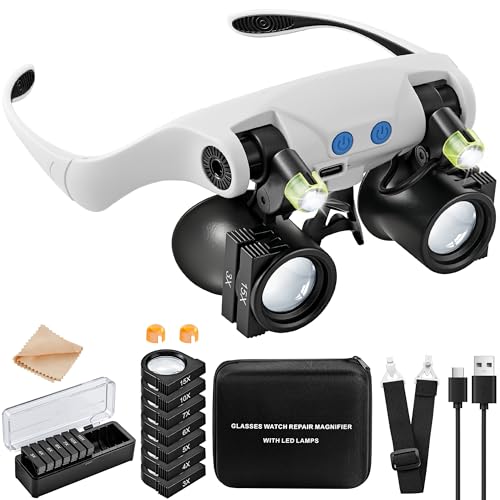
JARLINK Magnifying Glasses with LED Light, Hands Free Magnifier with 14 Interchangeable Lenses 3X 4X 5X 6X 7X 10X 15X, Magnifying Glasses for Close Work, Crafts, Jewelry, Electronics Repair (Black)
Multiple Magnification Options: Includes 14 interchangeable lenses (3X, 4X, 5X, 6X, 7X, 10X, 15X) to meet different needs….
As an affiliate, we earn on qualifying purchases.
As an affiliate, we earn on qualifying purchases.
What’s Next
Next steps include developing standardized repair protocols for more lens models, increasing availability of repair guides, and possibly influencing industry design to facilitate easier repairs. Further research into the durability of DIY repairs and the potential for manufacturer collaboration is also anticipated.

2 in 1 Thermal Imaging with 20000 Counts Multimeter Function Infrared Camera Pixels ISR256x192 Image Resolution 427×320 3.5 inch LCD -20℃ to 550℃ Temperature Range 15 Color Modes
2 in 1 FIXCHIGO Thermal Imaging Camera: Combines thermal camera with multimeter in one device. The lightweight and…
As an affiliate, we earn on qualifying purchases.
As an affiliate, we earn on qualifying purchases.
Key Questions
Can I repair my modern camera lens myself?
Yes, if you have technical skills and the right tools, many repairs—especially mechanical and some electronic issues—are feasible. However, caution is advised, especially with delicate flex cables and PCB components.
What tools are necessary for repairing modern lenses?
Common tools include JIS screwdrivers, magnifiers, compressed air, cleaning solutions, flex cable repair kits, and multimeters. Most are readily available and affordable.
Are repairs on electronic components reliable long-term?
While many electronic repairs can be successful, the durability depends on the repair quality and component condition. Some repairs may require re-evaluation after extended use.
Will manufacturers make future lenses easier to repair?
The industry trend is uncertain; some manufacturers are adopting repair-friendly designs, but many still prioritize compactness and integration, which complicates repairs.
Source: Hacker News