
The Sony WF-1000XM5 and Bose QuietComfort Ultra Earbuds are premium wireless earbuds for people who want noise cancellation that can make commutes, flights, and busy offices less distracting. The real decision is not whether either can reduce background sound—they both can—but whether you value Bose’s stronger cancellation and immersive listening more than Sony’s longer battery life, flexible sound controls, and generally lower cost.

Get the latest gadgets delivered free — and shop member deals
- Fast, free delivery on millions of items
- Access to Prime Big Deal Days deals on October 6–7
- Prime Video, Amazon Music and more included
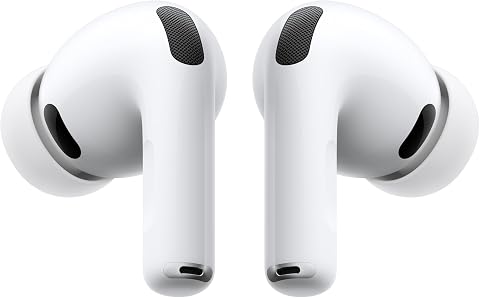
Apple AirPods Pro 3 Wireless Earbuds with Active Noise Cancellation
- ✔ Connectivity: Wireless
- ✔ Noise control: Active noise cancellation
- ✔ Listening time: Up to 8 hours with ANC; up to 10 hours in Transparency using the Hearing Aid feature

Soundcore P30i Noise-Cancelling Wireless Earbuds with Charging Case Phone Stand
- ✔ Model: Soundcore P30i (A3959)
- ✔ Connectivity: Bluetooth 5.4, wireless
- ✔ Noise control: Adaptive ANC reduces noise by up to 42 dB; transparency mode

JBL Vibe Beam 2 Noise-Cancelling Earbuds, Black
- ✔ Model: JBL Vibe Beam 2 (JBLVBEAM2BLKAM)
- ✔ Connectivity: Bluetooth; connects with up to 8 devices
- ✔ Noise control: Active noise cancelling and Smart Ambient
Choose Bose if blocking noise is your top priority and you want an especially spacious, immersive presentation. Choose Sony if you want a better all-round set for music, calls, and everyday use, with more listening time between charges. The differences are meaningful but not absolute: fit affects cancellation, and neither pair can silence every voice or sudden sound.
At a Glance
| Criteria | Sony WF-1000XM5 | Bose QuietComfort Ultra Earbuds | Winner |
|---|---|---|---|
| Noise cancellation | Very strong adaptive cancellation; effective for travel and daily noise | Class-leading cancellation, particularly effective against steady low-frequency noise | B |
| Sound and customization | Rich, detailed sound with extensive EQ and codec support | Engaging, spacious sound; immersive audio modes, with fewer sound-shaping options | A |
| Comfort and fit | Compact design; foam-style tips suit some ears but require a secure fit | Comfortable for many users, though the larger buds may feel bulky in smaller ears | Depends |
| Battery life | About 8 hours per charge with ANC; up to about 24 hours with the case | About 6 hours per charge, with less time when immersive modes are used | A |
| Call quality | Good in suitable conditions, but wind and loud surroundings can challenge voice pickup | Usable for calls, but background noise and wind can affect clarity | A |
| Controls and features | Broad app controls, multipoint, wireless charging, and customizable features | Simple controls and immersive modes; case lacks wireless charging | A |
| Value | Usually costs less than Bose while covering more everyday needs | Worth the premium mainly for buyers who put cancellation first | A |
Apple AirPods Pro 3 Wireless Earbuds with Active Noise Cancellation
AirPods Pro 3 take the top spot for Apple users because their appeal goes beyond switching noise cancellation on and off. Active noise cancellation is paired with Adaptive EQ, five ear-tip sizes, hearing-health tools, and workout heart-rate sensing. That broader set of uses gives them an edge over Soundcore P30i, whose clearest differentiators are battery flexibility and the phone-stand case, and JBL Vibe Beam 2, which emphasize app EQ and ambient controls.Fit is particularly relevant in an ANC roundup. Five tip sizes give us more options for finding a comfortable seal than the three sizes listed for JBL, though individual fit still varies. Apple also states up to eight hours of listening with ANC enabled, a useful condition-specific figure rather than a maximum that assumes ANC is off. Hearing features and workout tracking may make these earbuds more versatile for some owners, but we should not treat those extras as a reason to buy if we only need basic commute noise control.The main limitation is ecosystem dependence. Several features require an iPhone or Apple Intelligence, so Android users may not get the same value from the package. Battery life can also vary by mode and feature use, making the headline runtime less predictable across different routines. Compared with Soundcore’s clearly stated up-to-25-hour total with ANC, Apple’s listed ANC runtime is per listening period and does not establish the same combined case figure in the supplied details. We rank Apple first for the most complete feature set in its intended ecosystem, not because it is the best match for every phone or budget.
Pros:
- Active noise cancellation with up to eight hours of stated listening time when ANC is enabled
- Five ear-tip sizes offer more fit choices than the three listed for JBL
- Includes hearing-health tools and heart-rate sensing for workouts
- Adaptive EQ, Audio Sharing, and Automatic Switching add useful Apple ecosystem functions
Cons:
- Several features require an iPhone or Apple Intelligence
- Battery life varies with listening mode and feature use
- The supplied specifications do not state a combined case runtime for ANC listening
Best for: iPhone users who want ANC earbuds with multiple tip options, hearing-health features, and workout sensing in addition to everyday listening.
Not ideal for: Android users who want the full feature set, or anyone prioritizing a clearly stated long combined ANC-and-case runtime above ecosystem features.
Bottom line: For iPhone owners who value fit options and health-related features alongside ANC, AirPods Pro 3 are the most versatile pick in this group.
“For iPhone owners who value fit options and health-related features alongside ANC, AirPods Pro 3 are the most versatile pick in this group.”
Soundcore P30i Noise-Cancelling Wireless Earbuds with Charging Case Phone Stand
Soundcore P30i make the most sense when long case-supported listening and everyday convenience lead our checklist. Their case doubles as a phone stand, an unusual practical extra that can be handy for watching a video or joining a call while traveling. The listed battery total reaches up to 45 hours with ANC off and up to 25 hours with ANC on, giving us a clearer view of the tradeoff than a single maximum figure. That makes the P30i more transparent about the cost of noise cancellation in runtime than JBL Vibe Beam 2, whose stated 40-hour total specifically requires ANC to be off.The earbuds add adaptive ANC, transparency mode, 10 mm drivers with BassUp, and four microphones with AI-enhanced call processing. Transparency mode helps when we need to hear surroundings without removing an earbud, while app support provides listening adjustments. A 10-minute quick charge is listed for up to two hours of use, which can help recover some listening time during a short stop. These details position the P30i as the most utility-focused option here rather than the most ecosystem-rich one.There is a meaningful runtime compromise: Soundcore lists up to six hours per charge with ANC, compared with up to eight hours of ANC listening for AirPods Pro 3. The larger combined-case figure does not mean each uninterrupted session lasts longer. Compared with Apple, P30i also lacks the specified hearing and workout features; compared with JBL, its phone-stand case is the distinctive convenience. Buyers should choose it for that blend of case function, adaptive noise control, and battery flexibility, not assume that the case feature predicts stronger ANC.
Pros:
- Adaptive ANC and transparency mode support different listening situations
- Case doubles as a phone stand for viewing or calls
- Up to 45 hours with the case without ANC, or up to 25 hours with ANC
- Four microphones and a 10-minute quick-charge option add everyday practicality
Cons:
- ANC runtime is listed at up to six hours per charge, below Apple’s stated eight hours
- The maximum 45-hour total does not apply with ANC enabled
- No supplied hearing-health or workout-tracking features
Best for: Listeners who want adaptive ANC, a useful transparency mode, a phone-stand charging case, and a long combined battery reserve.
Not ideal for: People who need the longest stated ANC listening time per charge, or who want Apple-style health and ecosystem features.
Bottom line: Choose the P30i when case utility and a clearly differentiated battery profile matter more than longer single-charge ANC time or ecosystem extras.
“Choose the P30i when case utility and a clearly differentiated battery profile matter more than longer single-charge ANC time or ecosystem extras.”
JBL Vibe Beam 2 Noise-Cancelling Earbuds, Black
JBL Vibe Beam 2 are the straightforward customization pick for listeners who want ANC and a companion app with EQ adjustments. Their Smart Ambient controls provide a way to manage how much outside sound we hear, and four microphones support clearer calls. The app-based tuning gives JBL a different emphasis from AirPods Pro 3, whose standout extras are more closely tied to Apple’s device ecosystem, and Soundcore P30i, which are defined by their phone-stand case and battery figures.The important caveat is the condition attached to the biggest battery claim. JBL lists up to 40 hours of playback with ANC off, with up to 10 hours from the earbuds themselves and three additional charges from the case. That maximum is not an ANC-on runtime, so buyers who keep noise cancellation enabled should not plan around 40 hours. A 10-minute charge is stated to provide up to three hours of playback, but that figure also should not be mistaken for a guarantee under every listening setting.JBL includes three ear-tip sizes, giving us fewer stated fit options than Apple’s five. That may be adequate for many listeners, but comfort and seal are personal, and a poor seal can make noise-control earbuds less satisfying. The Vibe Beam 2 remain a sensible choice when app EQ, Smart Ambient, and familiar JBL sound customization are priorities. Compared with Soundcore, they offer a shorter listed total runtime without ANC and lack the built-in phone stand; compared with Apple, they do not list hearing-health or workout-sensing functions. Their place in the ranking reflects useful control options, balanced against a battery headline that depends on turning ANC off.
Pros:
- Active noise cancelling plus adjustable Smart Ambient controls
- JBL Headphones app includes EQ customization
- Four microphones support clearer calls
- 10-minute charge provides up to three hours of stated playback
Cons:
- Up-to-40-hour playback figure applies with ANC off
- Three included tip sizes offer fewer fit options than AirPods Pro 3
- No phone-stand case or hearing-health and workout features are listed
Best for: Listeners who want ANC, adjustable ambient sound, app-based EQ, and quick charging in a familiar Bluetooth earbud format.
Not ideal for: Anyone who expects the maximum 40-hour playback figure while using ANC, or who wants extensive fit options or health features.
Bottom line: The Vibe Beam 2 suit listeners who value app-based sound and ambient adjustments, provided they treat the longest battery figure as an ANC-off maximum.
“The Vibe Beam 2 suit listeners who value app-based sound and ambient adjustments, provided they treat the longest battery figure as an ANC-off maximum.”
As an Amazon Associate we earn from qualifying purchases.
Key Differences
The biggest gap is noise cancellation. Bose generally suppresses steady outside noise more effectively, which can make a noticeable difference on an aircraft, train, or in a loud shared workspace. Sony remains very capable, but its advantage is balance: it combines strong cancellation with longer listening time, detailed sound, and more ways to adjust the experience. Neither pair removes every conversation, and the seal created by the ear tips matters to both.
Battery and price make the choice clearer for everyday buyers. Sony offers roughly two more hours of listening per charge with ANC, while Bose’s battery life can fall further when immersive audio is active. Sony also tends to sell for less. Bose earns its higher price for frequent travelers or noise-sensitive listeners who will use its cancellation often; for most people seeking one dependable premium pair, Sony is the better value.
Detailed Comparison
Noise cancellation (Bose QuietComfort Ultra Earbuds wins — moderate)
Bose wins, by a moderate margin. Both earbuds substantially reduce common low-frequency sounds such as engine rumble and ventilation, but Bose is typically the more convincing choice when quiet is the main goal. On a flight or in a consistently noisy office, that extra reduction can lower listening fatigue and make podcasts easier to hear at a lower volume. Sony still performs very well, and fit can narrow the difference: a poor seal undermines either system. Neither should be treated as a way to make loud environments completely silent.
Sound and customization (Sony WF-1000XM5 wins — moderate)
Sony wins, by a moderate margin for listeners who like control. The WF-1000XM5 delivers detailed, engaging audio and offers extensive equalizer adjustments in its app, so listeners can tailor the sound to different genres and preferences. It also supports a wider range of high-quality wireless audio formats on compatible devices. Bose sounds spacious and enjoyable, and its immersive processing can make music feel broader, but there are fewer ways to shape the sound. Pick Bose for its presentation; pick Sony for flexibility and fine-tuning.
Comfort and fit (moderate difference)
This is a personal fit decision, not a reliable universal win. Sony’s earbuds are compact, but their foam-style tips may feel unfamiliar and can require careful sizing to create a good seal. Bose’s buds are larger, with stabilizing pieces designed to keep them secure, which some listeners prefer during movement; others find the bulk uncomfortable over longer sessions. Since fit affects both comfort and cancellation, try the available tip sizes if possible and use the fit test in the app. A comfortable, sealed pair beats a theoretically better-performing one that you keep adjusting.
Battery life (Sony WF-1000XM5 wins — moderate)
Sony wins, by a moderate margin. Sony rates the WF-1000XM5 for about eight hours with noise cancellation on and roughly 24 hours including the case. Bose rates the QuietComfort Ultra Earbuds at about six hours per charge, with immersive audio modes reducing that figure. Real use varies with volume and settings, but Sony’s extra time is useful on long travel days and means fewer top-ups during a busy week. Bose’s runtime is adequate for typical commutes; it is less forgiving if you listen for most of a workday.
Call quality (Sony WF-1000XM5 wins — minor)
Sony has a modest edge for mixed everyday use. Both can handle routine calls, but neither is a guaranteed standout in wind or loud public places. Sony’s voice pickup and call processing make it a more balanced choice for people who switch frequently between music and calls. Bose remains suitable for meetings in calmer settings, though background noise may affect how clearly your voice comes through. If clear calls are a central purchase requirement, particularly outdoors, test either model with your usual phone and surroundings rather than relying on the noise-cancellation reputation.
Controls and features (Sony WF-1000XM5 wins — minor)
Sony wins, by a minor-to-moderate margin. Its app offers extensive sound and listening controls, multipoint connections, and wireless charging for the case. Bose keeps its feature set straightforward and gives you immersive listening modes, but the case does not support wireless charging. The practical difference is convenience rather than sound: Sony is easier to tailor and recharge on a compatible pad, while Bose may appeal if you prefer fewer adjustments and use its special listening modes. Check device compatibility before paying extra for any codec or platform-specific feature.
Value (Sony WF-1000XM5 wins — moderate)
Sony wins for most buyers, by a moderate margin. Both are expensive premium earbuds, but Sony generally costs less while offering longer battery life, broad customization, and strong cancellation. Bose’s price premium buys a real benefit for people who prioritize maximum noise reduction; it is not automatically justified by the brand name or by a claim that it is better at everything. If you fly often, work around persistent noise, or are especially sensitive to sound, paying more for Bose can make sense. Otherwise, Sony delivers the stronger set of benefits per dollar.
Sony WF-1000XM5: Pros and Cons
Pros:
- Strong noise cancellation for travel and everyday settings
- Longer rated battery life than Bose
- Detailed sound with extensive EQ and codec support
- Multipoint connectivity and wireless charging
- Usually the better-priced option
Cons:
- Cancellation is not quite as strong as Bose’s in many conditions
- Foam-style tips may not suit every ear
- Call performance can suffer in wind or loud surroundings
Bose QuietComfort Ultra Earbuds: Pros and Cons
Pros:
- Stronger noise cancellation, especially for steady background rumble
- Engaging, spacious sound and immersive listening modes
- Stabilizing fit pieces work well for some active listeners
Cons:
- Shorter battery life, particularly with immersive modes
- Larger earbuds may not suit smaller ears
- Fewer sound-adjustment options and no wireless charging for the case
- Higher cost is hard to justify if maximum cancellation is not a priority
Who Should Choose What
Choose Sony WF-1000XM5 if:
- You want one premium pair for music, commuting, calls, and travel rather than a specialist focused mostly on silence.
- Longer battery life and fewer charging breaks matter to you.
- You like adjusting EQ and want more control over how your earbuds sound.
- You want strong cancellation without paying extra for Bose’s top noise reduction.
Choose Bose QuietComfort Ultra Earbuds if:
- You fly or commute frequently and the strongest available noise cancellation is your main priority.
- Persistent engine, transit, or office noise makes listening tiring, and reducing it is worth a higher price.
- You prefer Bose’s spacious presentation and expect to use its immersive listening modes.
Skip both if: You need dependable all-day battery without charging breaks, very clear outdoor calls, or a comfortable fit that you have not been able to confirm. Compare other models or try both in person before spending at this price.
Value for Money
Sony is the better value for most buyers because its lower typical price comes with longer battery life, extensive sound controls, wireless charging, and strong noise cancellation. You do not have to give up a capable premium experience to save money. Bose’s higher price is worth paying only when its stronger cancellation addresses a frequent, specific problem—such as regular flights, noisy transit, or high sensitivity to background sound. If you mostly listen at home or in moderately quiet places, that improvement is unlikely to justify the extra cost.
Prices change with sales, so compare current offers rather than relying on launch pricing. If Bose is discounted close to Sony’s price, its cancellation advantage becomes easier to recommend. If the gap is substantial, Sony is the sensible default.
Final Verdict
For most people, choose the Sony WF-1000XM5. It offers the more balanced package: strong cancellation, longer battery life, flexible sound adjustments, useful everyday features, and usually a lower price. Choose the Bose QuietComfort Ultra Earbuds if noise reduction is the deciding factor and you are willing to pay more for the stronger performance. That is the clearest reason to prefer Bose, not a sign that it wins across the board.
The biggest deciding factor is how often you need the quietest possible listening. Frequent travelers and people working around persistent noise should favor Bose. Everyday listeners who split time among music, calls, and commuting should buy Sony. Try both for fit when you can; comfort and a secure seal can matter more than a small specification difference.
Frequently Asked Questions
Which earbuds cancel noise better, Sony or Bose?
Bose QuietComfort Ultra Earbuds generally provide stronger noise cancellation, particularly for steady low-frequency sounds such as aircraft and train rumble. Sony’s cancellation is still very strong, and the difference depends partly on how well each pair seals in your ears.
Are the Sony WF-1000XM5 worth choosing over Bose?
Yes, for most people. Sony combines capable cancellation with longer battery life, more sound customization, and usually a lower price. Bose is worth choosing instead when its stronger cancellation is valuable enough to justify paying more.
Which model lasts longer on a charge?
Sony rates the WF-1000XM5 for about eight hours with ANC on, compared with about six hours for the Bose earbuds. Bose runtime can be shorter when immersive audio is enabled, so Sony is the safer choice for long listening sessions.
Which pair is better for phone calls?
Sony has a modest everyday advantage, but neither model is ideal for every noisy or windy location. Both should manage ordinary calls in calmer surroundings; if outdoor call clarity is a priority, test the microphones in conditions similar to your routine.
Fall Picks
fall essentials
As an affiliate, we earn on qualifying purchases.