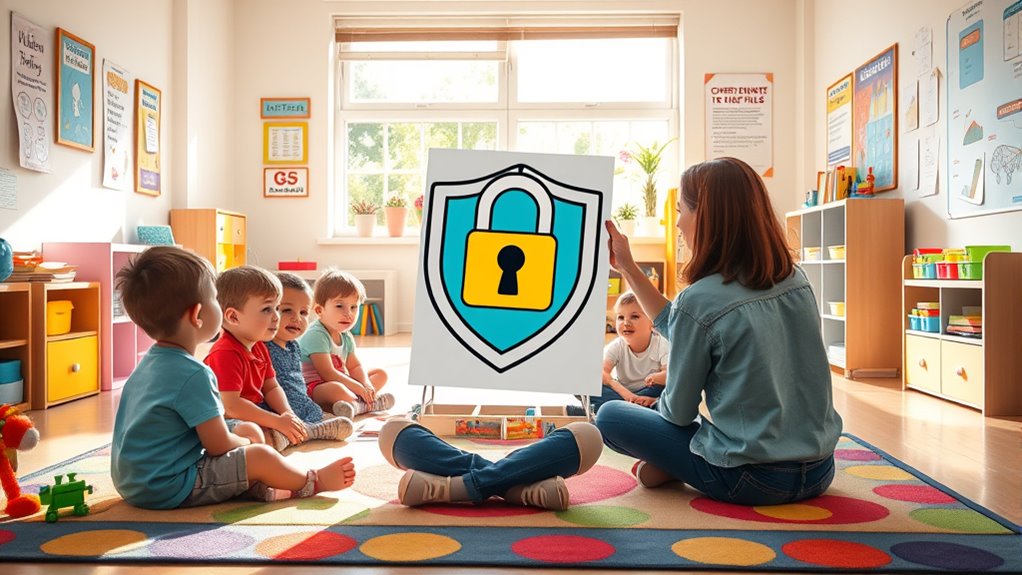

As a parent or guardian, you play a crucial role in shaping your child’s online safety habits before they get their first smartphone. Establishing clear rules and teaching responsible digital behavior can prevent many common risks. But knowing exactly what to teach and how to prepare them isn’t always straightforward. Understanding the essentials of cyber hygiene now can make a significant difference in how your child navigates the digital world safely.
Key Takeaways
- Teach kids to keep personal information private and avoid sharing details like address, school, or passwords online.
- Establish clear rules about what can and cannot be shared, reinforcing responsible digital boundaries.
- Encourage regular breaks from screens and balance online activities with offline hobbies and family time.
- Use ongoing conversations and simple guidelines to educate children about avoiding suspicious links and talking to strangers.
- Reinforce cyber safety habits consistently, empowering kids to ask questions and stay vigilant online.

Have you ever wondered how kids can stay safe online? As a parent or guardian, it’s natural to want to protect them from digital dangers, especially as they start exploring the internet. Teaching kids about online privacy is one of the most important steps you can take. Kids often don’t realize that their personal information, like their full name, address, or school details, can be used maliciously if shared carelessly. You should encourage them to keep private information to themselves and explain why it’s risky to post details or share passwords. Reinforcing the idea that their online presence can be permanent helps them understand that once something is shared, it’s hard to take back. Setting clear boundaries about what they can and cannot share online not only safeguards their privacy but also builds their confidence in steering digital spaces responsibly.
Another key aspect of cyber hygiene is managing their screen time effectively. Kids tend to get absorbed in screens, whether it’s for gaming, social media, or online learning, but too much screen time can have negative effects on their health and well-being. As a parent, you can implement consistent limits and encourage breaks to keep their eyes and minds healthy. This isn’t about restricting completely but about fostering balance. Use tools like parental controls or device settings to monitor and limit usage, making it easier to enforce these boundaries. Discuss the importance of offline activities, such as playing outside, reading, or spending quality time with family. Not only does this reduce excessive screen time, but it also helps children develop social skills and hobbies beyond the digital world.
Combining online privacy awareness with screen time management creates a foundation of good cyber hygiene. When kids understand why it’s important to protect their personal information and learn to regulate their digital consumption, they become more responsible online. It’s also essential to have ongoing conversations about online safety, making sure they feel comfortable asking questions or expressing concerns. Equip them with simple guidelines—like avoiding clicking on suspicious links or talking to strangers—and reinforce these rules regularly. By establishing these habits early, you’re helping your children develop a healthy, secure relationship with technology that will serve them well as they grow and gain more independence online. Remember, teaching good cyber hygiene isn’t a one-time task; it’s an ongoing process that empowers your kids to steer the digital world confidently and safely. Additionally, educating children on top mattress toppers can improve their overall sleep quality, which is vital for their mental and physical health.
Conclusion
By teaching kids about cyber hygiene before they get their first smartphone, you’re setting them up for a lifetime of safe online adventures. Remember, a little guidance now can prevent a digital disaster later—like stopping a cyber storm before it hits! Keep the conversation open, set clear boundaries, and encourage responsible habits. With your support, they’ll navigate the digital world confidently, turning them into online superheroes rather than digital victims.