
Did you know that the hack-for-hire industry has grown by over 200% in recent years? These firms operate in secret, offering cyberattack services to anyone willing to pay, often on private forums or underground networks. They customize malware, orchestrate data breaches, and even sabotage digital systems—always emphasizing anonymity and secrecy. Understanding how they function can reveal a troubling shift in cybercrime, making it essential to explore their methods and motives.

Get the latest gadgets delivered free — and shop member deals
- Fast, free delivery on millions of items
- Access to Prime Big Deal Days deals on October 6–7
- Prime Video, Amazon Music and more included
Key Takeaways
- Hack-for-hire firms operate covertly, offering illegal cyberattack services to clients through underground networks.
- They specialize in hacking, data breaches, malware deployment, and cyber sabotage for hire.
- Their anonymity and effectiveness attract clients seeking discreet, often unlawful, cybersecurity solutions.
- These firms undermine global cybersecurity by enabling malicious activities and weakening digital trust.
- Their growth fuels cybercrime ecosystems, increasing risks for individuals, organizations, and infrastructure worldwide.
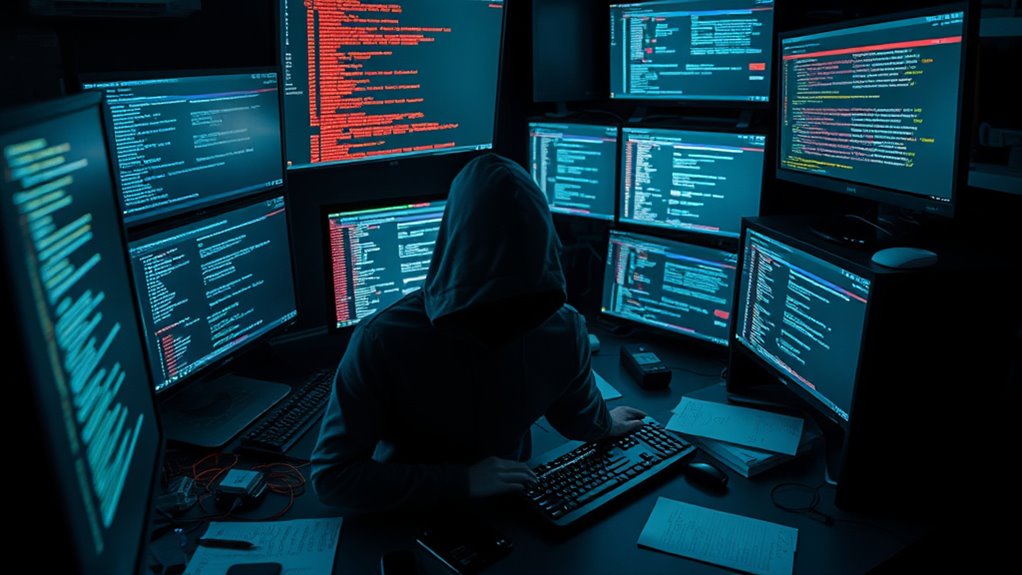
Hack-for-hire firms operate in a shadowy world where they provide specialized cyberattack services to clients willing to pay for discreet and often illegal digital operations. These organizations function much like traditional consulting firms but focus on hacking, data breaches, and digital sabotage. They often advertise their skills on underground forums or private networks, offering everything from malware deployment to espionage campaigns. As a potential client, you might be drawn to their promise of anonymity and effectiveness, but you should understand the cybersecurity implications. These firms bypass legal safeguards, creating vulnerabilities that can be exploited beyond the original scope of your intent. Their actions can inadvertently weaken the overall security landscape, making everyone more susceptible to cyberattacks. When you consider hiring such services, you risk not only your own digital security but also contributing to a broader ecosystem of cybercrime that feeds off unregulated, malicious hacking.
The operations of hack-for-hire firms raise significant ethical dilemmas. While some clients might seek their help for personal revenge, corporate espionage, or political sabotage, the morality of such acts is highly questionable. You might justify your actions by claiming privacy or protection of interests, but these firms often operate with little regard for the law or moral boundaries. Engaging with them puts you in a gray area, where the line between legality and illegality blurs. It can lead to serious consequences if your activities are uncovered, including legal prosecution and damage to your reputation. Additionally, supporting or participating in such illegal operations encourages a cycle of cybercrime that harms innocent parties, from individuals to entire organizations. The ethical dilemma intensifies because these firms often target vulnerable populations or critical infrastructure, risking widespread harm for private gain.
Furthermore, the very existence of hack-for-hire firms destabilizes the global cybersecurity environment. They undermine trust in digital systems, forcing companies and governments to invest heavily in defense mechanisms. If you’re involved in or considering utilizing their services, you contribute to this dangerous cycle. It’s essential to recognize that while the immediate benefits might seem appealing, the long-term repercussions—such as increased cyber threats, legal repercussions, and moral compromise—are substantial. Their operations highlight how the intersection of technological capability and ethical responsibility creates complex challenges for society. As a user or potential client, you need to weigh the allure of quick, discreet solutions against the broader risks posed to cybersecurity stability and moral integrity. In the end, engaging with hack-for-hire firms may seem like a shortcut, but it often leads to far more complicated and damaging consequences down the line.
Supporting these firms also contributes to a destabilized cybersecurity landscape, which makes everyone more vulnerable to cyber threats.
As an affiliate, we earn on qualifying purchases.
Conclusion
As you navigate the digital landscape, remember that hack-for-hire firms are like shadowy puppeteers pulling strings behind the scenes. Their covert operations threaten your security and trust, weaving a tangled web of danger you can’t see coming. Staying vigilant and investing in robust cybersecurity measures is your best armor against these unseen enemies lurking in the darkness, ready to strike when you least expect it.
As an affiliate, we earn on qualifying purchases.
network intrusion detection system
As an affiliate, we earn on qualifying purchases.
As an affiliate, we earn on qualifying purchases.
As an affiliate, we earn on qualifying purchases.
Fall Picks
fall essentials
As an affiliate, we earn on qualifying purchases.