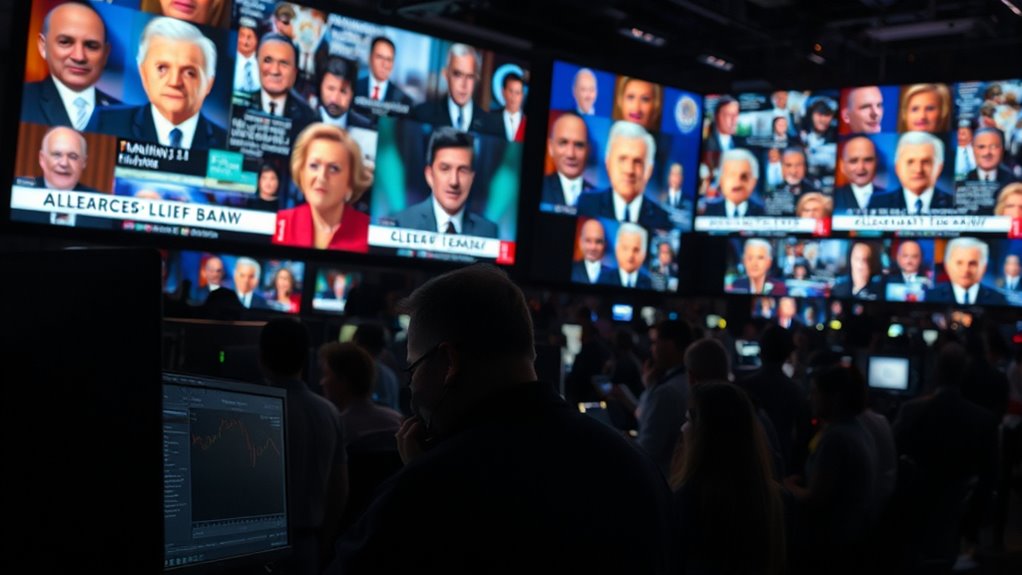

In the 2024 election, deepfakes and misinformation highlight how realistic manipulated media can sway public opinion and erode trust. To protect yourself, question the authenticity of content, look for signs of manipulation, and verify with credible sources. Use technological detection tools, but remember they aren’t foolproof—stay informed about new AI advances. If you want to understand how to better navigate this digital landscape, keep exploring the key lessons from recent events.

Get the latest gadgets delivered free — and shop member deals
- Fast, free delivery on millions of items
- Access to Prime Big Deal Days deals on October 6–7
- Prime Video, Amazon Music and more included
Key Takeaways
- The 2024 election highlighted the importance of media literacy to identify manipulated content and prevent misinformation influence.
- Advanced detection tools and AI verification systems are essential for authenticating election-related media.
- Combining technological tools with critical thinking helps voters recognize deepfakes and unreliable sources.
- Misinformation during elections can sway public opinion, emphasizing the need for trusted fact-checking and source verification.
- Continuous education and awareness about deepfake signs are vital for safeguarding democratic processes.
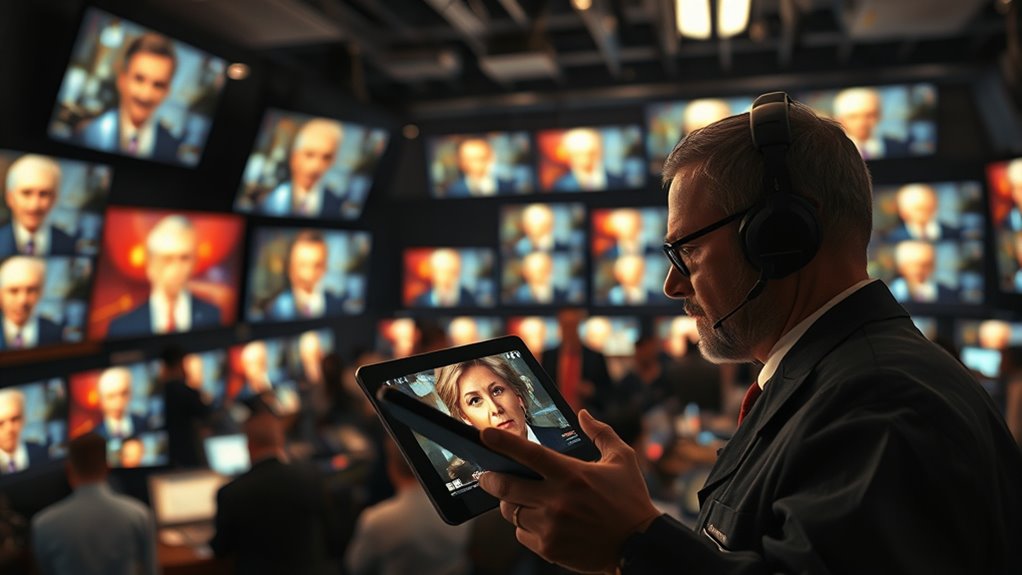
Deepfakes have emerged as a powerful tool that can blur the line between reality and fiction, making it increasingly difficult to trust what you see online. As these manipulated videos and images become more sophisticated, it’s essential to sharpen your media literacy skills. You need to question the authenticity of the content you encounter, especially during high-stakes events like elections. Recognizing deepfakes requires more than just a skeptical eye; it calls for understanding the signs of manipulated media and knowing where to look for credible information. Media literacy isn’t just about consuming news; it’s about actively engaging with sources, cross-checking claims, and being aware of how easily visual content can be altered. When faced with a viral video or image claiming to show a political figure doing something controversial, ask yourself: Could this be a deepfake? Does the source have a reputation for spreading misinformation? Developing this critical mindset helps you avoid falling for false narratives that could influence your opinions and decisions.
In addition to honing your media literacy, technological detection tools have become indispensable in identifying deepfakes. These tools analyze videos for inconsistencies or anomalies that the human eye might miss, such as irregular blinking patterns, unnatural facial movements, or mismatched audio and visual cues. Many platforms now employ advanced algorithms that scan uploaded content for signs of manipulation, giving you an extra layer of assurance about what you’re viewing. However, it’s important to remember that these detection technologies aren’t foolproof. As deepfake creators improve their techniques, detection methods must evolve too. That’s why staying informed about the latest technological advances in media verification is imperative. Trusted fact-checking organizations and social media platforms are increasingly deploying AI-driven detection systems to flag suspicious content, but your role remains essential. Use these tools as a first step, then verify information through reputable sources before sharing or acting on it. Staying aware of emerging AI security solutions can further enhance your ability to discern authentic content from manipulated media.
Combining strong media literacy skills with the latest technological detection methods provides the best defense against misinformation fueled by deepfakes. During an election, where misinformation can sway public opinion and impact democracy itself, being vigilant becomes even more important. You must stay curious, question what you see, and rely on credible sources to verify content. Remember, no single tool or skill can guarantee you’ll catch every deepfake, but together, they considerably reduce your chances of being misled. As deepfakes continue to evolve, so should your ability to critically assess digital content. Staying informed and cautious protects not only your understanding of the truth but also the health of the democratic process itself.
As an affiliate, we earn on qualifying purchases.
Frequently Asked Questions
How Can Individuals Verify the Authenticity of Video Content?
To verify video authenticity, you should practice media literacy and source verification. Start by checking the video’s source—look for credible, reputable outlets. Use reverse image searches or fact-checking tools to cross-reference the content. Pay attention to signs of manipulation, like inconsistent shadows or unnatural movements. Stay skeptical of sensational clips and seek multiple sources to confirm the story, ensuring you rely on verified, trustworthy information.
What Tools Are Most Effective in Detecting Deepfakes?
You should use tools based on machine learning and digital forensics to detect deepfakes effectively. These tools analyze inconsistencies in lighting, facial movements, and audio patterns that are often invisible to the naked eye. Programs like Microsoft’s Video Authenticator or Adobe’s Content Authenticity Initiative employ advanced algorithms to flag suspicious videos. Regularly updating your software guarantees you benefit from the latest advancements in deepfake detection technology.
How Do Malicious Actors Create Convincing Deepfakes?
Malicious actors create convincing deepfakes through AI manipulation techniques, often using facial reenactment technology to swap faces or mimic expressions seamlessly. They gather large datasets of images and videos to train algorithms, making the fake content incredibly realistic. By refining these models, they craft videos that can convincingly imitate someone’s voice and mannerisms, making it difficult to distinguish real from fake, which amplifies misinformation risks.
What Legal Measures Exist to Combat Misinformation From Deepfakes?
You face fierce fights against fake footage with legal frameworks like the Digital Millennium Copyright Act and the Malicious Deepfake Prohibition Act. However, regulatory challenges swirl as laws struggle to keep pace with technology’s rapid rise. While some regions implement legislation to limit misinformation, enforcement remains elusive. You must navigate this nuanced, nascent legal landscape, seeking solutions to shield truth from the tide of deceptive deepfakes and protect public trust.
How Can Social Media Platforms Better Combat Deepfake Dissemination?
To better combat deepfake dissemination, you should focus on algorithm improvements that detect and flag manipulated content automatically. Encourage users to report suspicious videos, creating a proactive community effort. Social media platforms can prioritize rapid review processes and develop AI tools that identify deepfakes in real-time. Combining these strategies helps reduce the spread of misinformation, keeping the platform safer and more trustworthy for everyone.
As an affiliate, we earn on qualifying purchases.
Conclusion
As you navigate the digital landscape, remember that nearly 92% of Americans struggle to distinguish real videos from deepfakes. This highlights how easily misinformation can spread during elections. Staying vigilant and verifying sources is vital to avoid falling for false content. By understanding the power of deepfakes, you can better protect yourself and guarantee you’re making informed decisions. The more aware you are, the harder it becomes for falsehoods to sway your opinions.
As an affiliate, we earn on qualifying purchases.
As an affiliate, we earn on qualifying purchases.
Fall Picks
fall essentials
As an affiliate, we earn on qualifying purchases.