
TL;DR

Get the latest gadgets delivered free with Prime
- Fast, free delivery on millions of items
- Prime Video, Amazon Music and more included
- Member-only deals all year
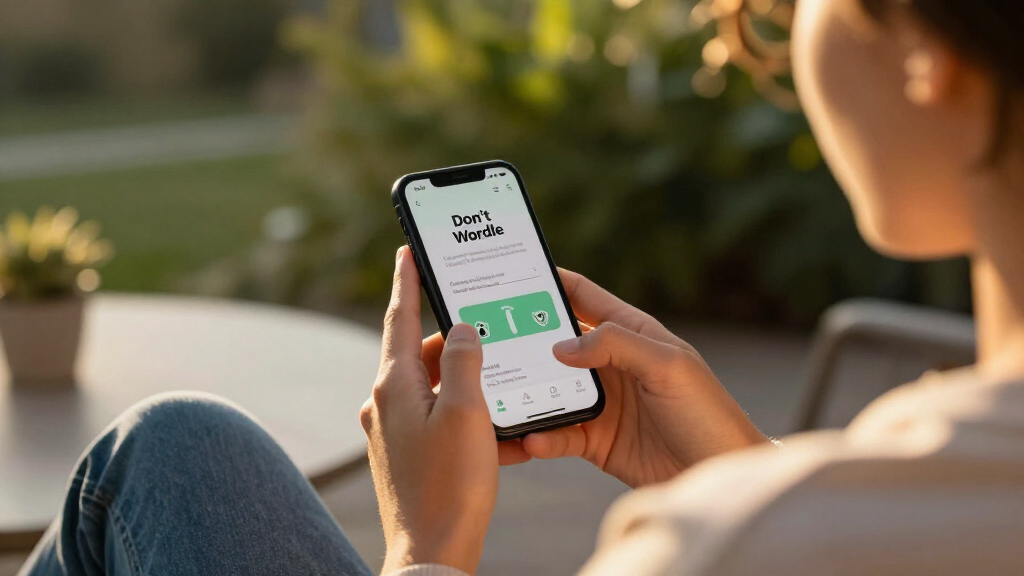
A new campaign called ‘Don’t Wordle’ is gaining attention, encouraging players to cease playing the popular word puzzle game. The movement highlights concerns about its impact on mental health and daily routines.
Organizers and mental health advocates are increasingly urging players to stop playing Wordle, the popular daily word puzzle game, citing concerns about its potential negative effects on mental well-being and daily routines. The movement, called ‘Don’t Wordle’, has gained traction on social media platforms over the past few weeks, prompting discussions about the game’s role in users’ routines and mental health.
The ‘Don’t Wordle’ campaign emerged in early March 2024, with advocates sharing personal stories and research linking excessive engagement with the game to increased anxiety and decreased focus. While Wordle remains widely popular, with millions of daily players, critics argue that the game’s addictive nature can lead to compulsive behavior, especially among vulnerable populations such as teenagers and individuals with pre-existing mental health conditions.
According to social media posts and some mental health experts, the movement calls for players to voluntarily abstain from playing Wordle for a set period, encouraging alternative activities that promote mental well-being. The creators of Wordle, developed by Josh Wardle and acquired by The New York Times in 2022, have not officially commented on the movement. However, some users report that the game’s daily challenge can lead to frustration, obsession, or compulsive checking, which may impact mental health over time.
While there is no official data linking Wordle to mental health issues, preliminary surveys and anecdotal reports suggest a growing concern among certain communities. The movement has also sparked debate about the responsibilities of game developers in designing engaging yet non-harmful entertainment, and whether social media campaigns can effectively influence gaming habits.
Potential Impact on Player Well-Being and Gaming Culture
The ‘Don’t Wordle’ movement highlights broader concerns about the mental health implications of popular mobile and web-based games. As Wordle continues to be a daily ritual for many, the campaign raises questions about the balance between entertainment and mental health, especially for vulnerable groups. If the movement influences a significant number of players to reduce or cease playing, it could signal a shift in how digital games are perceived and consumed, prompting developers to reconsider game design and engagement strategies.
Additionally, the movement underscores the growing influence of social media activism around mental health issues, emphasizing that even simple leisure activities can have complex psychological effects. This could lead to increased scrutiny of other popular games and apps, fostering a more cautious approach to digital entertainment and its potential impacts on mental health.
As an affiliate, we earn on qualifying purchases.
Wordle, launched in 2021 by Josh Wardle, quickly became a cultural phenomenon, with millions playing daily. Its simple, accessible format made it a staple in many people’s routines, often used as a mental break or daily ritual. The game’s popularity was amplified after The New York Times acquired it in 2022, integrating it into its portfolio of puzzles and games.
In recent years, social media has become a platform for raising awareness about mental health, with campaigns targeting excessive screen time, gaming addiction, and digital well-being. The ‘Don’t Wordle’ movement is part of this broader trend, leveraging platforms like Twitter and Reddit to encourage moderation and mindful gaming. Similar campaigns have previously targeted other addictive apps and games, advocating for healthier digital habits.
While experts acknowledge that gaming can have both positive and negative effects, the focus on Wordle is notable because of its widespread popularity and perceived low barrier to entry. Critics argue that even casual games can contribute to compulsive behaviors, especially when players experience frustration or anxiety from repeated failures or time pressure.
“While Wordle appears harmless, its addictive potential for certain individuals cannot be ignored. Social media campaigns like ‘Don’t Wordle’ aim to promote healthier engagement with such games.”
— Dr. Emily Carter, psychologist specializing in digital addiction
stress relief adult coloring books
As an affiliate, we earn on qualifying purchases.
As an affiliate, we earn on qualifying purchases.
Extent of the Movement’s Influence and Long-Term Effects
It is not yet clear how many players have actually stopped playing Wordle or how effective the ‘Don’t Wordle’ campaign will be in changing habits. There are no comprehensive studies measuring the movement’s impact on mental health or overall engagement with the game. Additionally, whether this will lead to broader industry changes remains uncertain, as developers have yet to respond publicly.
As an affiliate, we earn on qualifying purchases.
Monitoring the Movement and Potential Industry Responses
Researchers and mental health advocates plan to track the movement’s growth through social media analytics and surveys. Developers of Wordle and similar games may face increased pressure to incorporate features that promote healthier engagement, such as time limits or optional breaks. Further discussions are expected about the responsibility of game creators in safeguarding mental health and how social media campaigns can influence gaming behavior in the future.
As an affiliate, we earn on qualifying purchases.
Key Questions
What is the main goal of the ‘Don’t Wordle’ movement?
The movement aims to encourage players to stop playing Wordle to protect their mental health and foster healthier digital habits.
Are there any proven links between Wordle and mental health problems?
Currently, there is no scientific evidence directly linking Wordle to mental health issues, but anecdotal reports and expert opinions suggest some players experience frustration or anxiety.
Will the creators of Wordle respond to this movement?
There has been no official response from Josh Wardle or The New York Times, but Wardle has stated they support responsible gaming and moderation.
Could this movement lead to changes in how Wordle is designed?
Potentially, if the movement gains widespread influence, developers might consider implementing features that promote healthier engagement, such as optional breaks or time limits.
Is this movement unique to Wordle?
No, similar campaigns have targeted other addictive apps and games, reflecting broader concerns about digital well-being and mental health.
Source: hn
Halloween Picks
halloween
As an affiliate, we earn on qualifying purchases.