
TL;DR

Get the latest gadgets delivered free — and shop member deals
- Fast, free delivery on millions of items
- Access to Prime Big Deal Days deals on October 6–7
- Prime Video, Amazon Music and more included
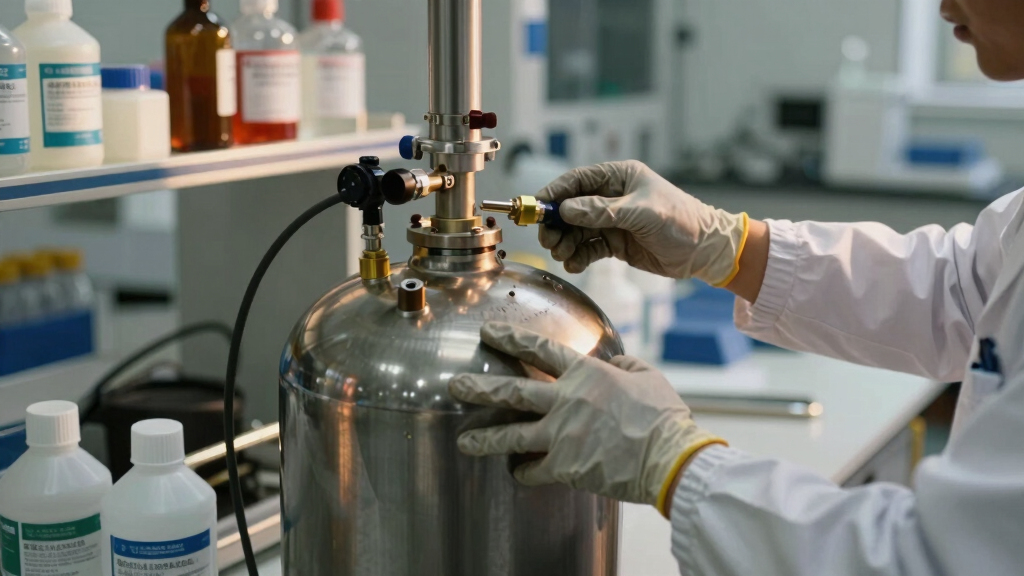
Supply chain disruptions caused by shortages of helium tanks and niche solvents are intensifying amid Iran war tensions. These shortages threaten to delay production and increase costs for tech suppliers. The situation remains fluid, with ongoing geopolitical impacts.
Shortages of helium tanks and industrial solvents are causing rising costs and potential disruptions in the technology manufacturing sector, driven by ongoing Iran war tensions and broader geopolitical uncertainties.
According to industry executives, shortages of helium tanks and specialized industrial solvents are now impacting production lines for semiconductor manufacturing and other high-tech components. These shortages are attributed to disruptions in logistics networks caused by the Iran conflict and related geopolitical tensions, which have strained global supply chains.
Sources from the industry report that helium tank prices have surged, and supply delays are becoming more frequent. Similarly, niche solvents used in chip fabrication and electronics assembly are becoming scarce, with some suppliers warning of further delays if current conditions persist. The disruptions are not limited to Iran but are part of wider supply chain vulnerabilities exacerbated by the ongoing conflict and sanctions.
Why It Matters
This situation is significant because shortages of helium and specialty solvents threaten to slow the production of semiconductors and other electronic components, potentially delaying product launches and increasing manufacturing costs. Given the critical role of these materials in the tech industry, prolonged shortages could impact global markets and supply chains, especially as demand for advanced electronics continues to grow.
As an affiliate, we earn on qualifying purchases.
Background
Prior to this, the tech supply chain has faced multiple disruptions, including chip shortages and logistics delays. The Iran war, which escalated earlier this year, has further complicated global logistics, affecting the availability of critical materials like helium, used in cooling systems and manufacturing processes, and niche solvents essential for chip production. Industry analysts have warned that even if the conflict resolves soon, supply chain recovery could take months or longer.
“The shortages are impacting our ability to meet production schedules and are driving up costs across the board.”
— An industry executive
“Even if the Iran conflict ends quickly, the disruptions in logistics and material availability are likely to persist for some time.”
— A supply chain analyst
industrial solvents for semiconductor manufacturing
As an affiliate, we earn on qualifying purchases.
As an affiliate, we earn on qualifying purchases.
What Remains Unclear
It is still unclear how long the shortages will last or whether alternative supply sources can be quickly secured. The full extent of the production impact and whether governments will intervene to stabilize supplies remains uncertain.
helium gas supply for electronics
As an affiliate, we earn on qualifying purchases.
As an affiliate, we earn on qualifying purchases.
What’s Next
Industry experts expect supply chain conditions to be closely monitored over the coming months. Efforts to diversify sourcing and increase inventory levels may be prioritized, while geopolitical developments could further influence the situation. Manufacturers are preparing for potential delays and cost increases.
specialty solvents for chip fabrication
As an affiliate, we earn on qualifying purchases.
As an affiliate, we earn on qualifying purchases.
Key Questions
What materials are currently in shortage?
Helium tanks and niche industrial solvents used in semiconductor manufacturing are experiencing shortages.
Why are these shortages happening?
The shortages are primarily caused by disruptions in logistics networks linked to the Iran war and broader geopolitical tensions, affecting global supply chains.
How might this impact the tech industry?
Prolonged shortages could delay production, increase costs, and impact product launches in the technology sector.
Are there alternative sources for these materials?
Some companies are exploring alternative suppliers, but ramping up new sources may take time and is not yet sufficient to fully mitigate the shortages.
Fall Picks
fall essentials
As an affiliate, we earn on qualifying purchases.