

TL;DR
The source material is a buying guide, not a report of a new software launch or industry announcement. It compares three books about small-business AI and recommends choosing a repeatable, low-risk task, testing one workflow for two weeks, and reviewing the results before deciding whether to keep it.
A small-business AI buying guide recommends testing one repeatable, low-risk task before committing to an automation workflow, with 2–4 hours for setup and two weeks to assess the result. The material compares three books about AI use and automation, but does not identify or independently evaluate specific automation software products.

Get the latest gadgets delivered free with Prime
- Fast, free delivery on millions of items
- Prime Video, Amazon Music and more included
- Member-only deals all year
The guide suggests tasks such as sorting incoming inquiries, drafting replies, or summarizing customer feedback. Owners should begin with a process they understand and use regularly, connect only the relevant business account, and keep a person responsible for checking the output. It advises against assigning AI high-impact decisions.
Its three book recommendations serve different purposes. AI for Small Business, Volume II: 200 AI Prompts to Run Your Business is presented as a starting point for email, marketing, administration, and hiring tasks. AI for Small Business: From Marketing and Sales to HR and Operations offers a broader adoption plan, while AI Automation for Small Businesses: Build Semi-Passive Income Systems Without Hiring or Coding focuses on no-code systems. The source does not provide independent product testing or comparative software performance data.
For a trial, the guide calls for a computer, internet access, an AI service or software trial, and an account used in the chosen workflow, such as email, a calendar, a form, or a customer relationship management system. It also recommends tracking results in a spreadsheet or document. The setup estimate and evaluation period are guidance from the source, not measured averages.
Choose AI Automation One Workflow at a Time
A buying guide recommends testing one repeatable, low-risk task before committing to an automation workflow. The books offer guidance, but do not compare software products.
Start with a suitable task
Pick a recurring process you understand and keep a person responsible for checking the output.
Sort incoming messages
Try organizing inquiries, with a person reviewing the results.
Draft responses
Check drafts before sending them to customers.
Summarize comments
Review summaries and note any corrections needed.
Choose a guide by purpose
The recommendations cover different ways to get started; they are books, not independently tested software.
| Book | Presented focus |
|---|---|
| AI for Small Business, Volume II: 200 AI Prompts to Run Your Business | Prompts for everyday business tasks |
| AI for Small Business: From Marketing and Sales to HR and Operations | Broader AI adoption plan |
| AI Automation for Small Businesses: Build Semi-Passive Income Systems Without Hiring or Coding | No-code automation ideas |
Run a small, measured trial
Connect only the relevant business account, then record whether the workflow saves time or adds correction work.
Choose a repeatable, low-risk process and confirm you can connect the relevant account.
Use an AI service or software trial; the guide estimates 2–4 hours for setup.
Track corrections and whether the workflow reduced or added work; then continue, adjust, or stop.
Check before expanding
The guide provides no platform pricing, integration comparisons, data retention details, or measured business results.
- Check company policies and the service’s data terms.
- Confirm you have permission to connect relevant accounts.
- Review customer-facing messages.
- Do not assign AI high-impact decisions involving payments, hiring, health, legal, or safety matters.
A Small Trial Before a Purchase
The approach gives a small business a way to judge whether an AI workflow helps with a specific recurring task before expanding its use. A limited trial can reveal whether the tool saves staff time, produces usable drafts, or creates extra work through corrections. The guide does not report measured savings or claim that the suggested workflow will work for every company.
That distinction matters because the books and the software serve different roles. A prompt collection may help someone draft text, but prompts alone do not connect business systems or automate an end-to-end process. Buyers looking for software should separately check whether a service integrates with their existing tools, what it costs, and how it handles business data. Those details are not supplied in this comparison.
Products Worth Considering

EcoFlow DELTA 3 Classic Solar Generator with 220W Solar Panel

Bose QuietComfort Wireless Headphones – Twilight Blue (Limited Edition)
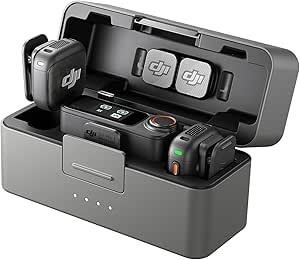
DJI Mic 3 (2 TX + 1 RX + Charging Case) Wireless Microphone
As an affiliate, we earn on qualifying purchases.
Three Guides, Three Starting Points
The source is framed as guidance for owners and staff new to automation, rather than as news of a product release. It divides the books by intended use: ready-to-use prompts for common tasks, a cross-business overview of AI adoption, and ideas for no-code automation systems. Its descriptions position the first title as accessible for owners who want to experiment with everyday writing and administrative work.
The source also notes limits in the recommendations. Prompts may need changes to fit a company’s industry and brand voice, and using a prompt does not itself create a connected workflow. The broader guide is described as covering several business functions, but the supplied material says it may offer limited technical depth for advanced readers. The systems-focused book is positioned around no-code approaches; the source gives no evidence that its strategies guarantee income or eliminate the need for staff.
“Set up one AI automation for a repeatable small business task, such as sorting incoming inquiries, drafting replies, or summarizing customer feedback.”
— Thorsten Meyer AI guide
Costs, Results and Data Terms
The source does not name or compare specific AI automation platforms, subscription prices, integration limits, or data retention policies. It also provides no measured results from businesses that followed the two-week trial, so the likely time savings and accuracy are unknown. The 2–4-hour setup figure is presented as an estimate rather than a guarantee.
Businesses must check their own policies and each service’s data handling terms before sharing customer or confidential information. The guide says to retain human review for customer-facing messages and work involving payments, hiring, health, legal, or safety matters. It does not set out a formal compliance review or specify how much oversight each workflow requires.
Evaluate One Workflow for Two Weeks
The next step in the guide is to select a recurring task, confirm that the business has permission to connect the relevant accounts, and try the workflow with an AI service or software trial. Staff should record results over two weeks, including whether the output needed corrections and whether the process reduced or added work. A business can then decide whether to continue, adjust the workflow, or stop using it.
Before adopting a tool more widely, owners should review its integrations, price, and data terms against their actual needs. The source provides no later milestone, vendor announcement, or follow-up results, so whether the recommended trial produces value remains to be established by each business.
Key Questions
What kind of task should a small business automate first?
The guide recommends a repeatable, low-risk task, such as sorting inquiries, drafting replies, or summarizing customer feedback. A person should review the output.
How long does the guide suggest for setup and evaluation?
It estimates 2–4 hours for setup and recommends evaluating the workflow for two weeks. These are planning figures, not guaranteed timelines.
Do the recommended books provide automation software?
The source describes them as guides and prompt collections. It says a prompt guide requires access to compatible AI tools and that prompts alone do not create connected, end-to-end workflows.
What should a business check before sharing its data?
The guide says to review company policies and the tool’s data handling terms before sending customer or confidential information. It does not name a specific service or assess its policies.
Source: Thorsten Meyer AI