
🔍 Read the full analysis: How To Shop For AI Automation Software As A Small Business on ThorstenMeyerAI.com

Get the latest gadgets delivered free — and shop member deals
- Fast, free delivery on millions of items
- Access to Prime Big Deal Days deals on October 6–7
- Prime Video, Amazon Music and more included
TL;DR
The ThorstenMeyerAI.com buying guide estimates that many small-business starter setups cost $15–$50 a month and recommends beginning with one or two frequent, rule-based workflows. Its cost and time-saving figures are estimates, not independently verified results, so buyers should check current prices and measure outcomes in their own business.
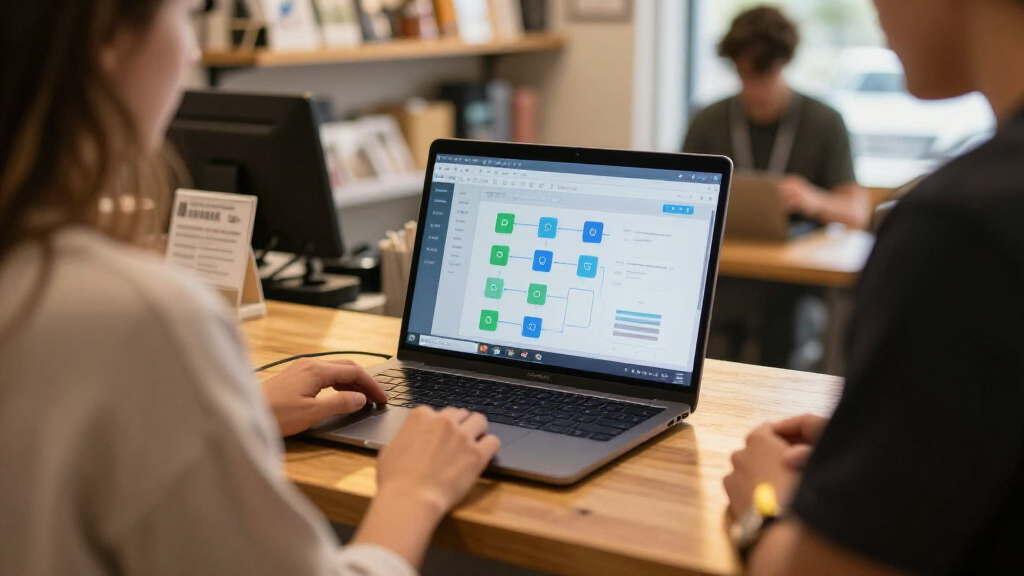
A buying guide published by ThorstenMeyerAI.com, the original analysis, estimates that small businesses could assemble many starter AI automation setups for about $15–$50 a month in early 2025. The guide recommends testing one or two routine workflows before committing to a broader platform, an approach also explored in this small-business AI automation guide. That advice matters to owners weighing new software costs, though the guide’s time-saving and pricing figures are estimates rather than independently verified results.
ThorstenMeyerAI.com’s guide groups tools into six areas: workflow automation, customer service, marketing, sales, content creation and back-office tasks such as finance and scheduling. It lists workflow tools including Zapier, Make, Microsoft Power Automate and n8n at free to more than $20 monthly; customer service products from free to more than $100 monthly; and marketing tools around $15–$20 per seat. The guide lists sales products at roughly $20–$50 monthly and content tools from free to $49. It also says some AI features are already bundled into subscriptions such as Microsoft 365 or Google Workspace.
The guide advises checking existing subscriptions before adding vendors, then choosing tasks that happen often and follow clear steps, as discussed in this overview of AI automation tools for small businesses. Its examples include email follow-ups, invoicing, lead response, scheduling and social posting. It proposes measuring return through time saved and lead conversion, rather than assuming an increase in revenue. The guide also distinguishes internal workflows from customer-facing automation: it cautions that errors in a chatbot or outreach message can affect customer trust, so those uses warrant closer review.
As an example, the guide describes a two-person design studio using Zapier and a chatbot to connect its contact form, customer records and invoicing. It says the setup cost less than $50 monthly and saved about 12 hours a week. The studio name is presented as a pseudonym, and the guide provides no documentation or independent assessment of the claimed savings.
Start with 1–3 automations — lead response, email follow-up, and invoicing — before considering any all-in-one platform.
Typical starter costs run $0–50/month: free Tidio tier, ~$20/month Zapier, ~$15–20/month/seat HubSpot Starter (pricing as of early 2025 — verify before buying).
Keep a human approval step on any customer-facing AI output for at least the first two weeks to catch hallucinated prices, policies, or product claims.
Measure ROI in hours saved and lead response speed, not direct revenue — 10–30 hours/week saved is the commonly reported range for small businesses.
Check AI features in software you already pay for (Microsoft Power Automate, Google Workspace Gemini, QuickBooks) before adding new subscriptions.
Choosing What to Automate First
For a small business, the choice is not only which product to buy but which work is safe to hand over. A recurring administrative task can be a manageable first trial; a system that replies to customers can make mistakes under the company’s name. ThorstenMeyerAI.com’s guide emphasizes starting small, which makes the trial easier to assess and limits the number of new tools and data connections an owner must manage.
Owners can compare the tool’s recurring fee with the time staff actually recover, while also checking whether the workflow produces errors that require correction. Tracking hours saved, lead response and conversion gives a clearer basis for deciding whether to keep, adjust or expand an automation. The guide does not establish that its suggested savings or prices apply to every business.
From Fixed Rules to AI Tools
Traditional automation generally carries out a fixed action when a defined trigger occurs. ThorstenMeyerAI.com’s guide says AI-enabled tools can also interpret and generate text, which makes them suitable for tasks involving less uniform inputs, such as summarizing an email thread or drafting a response. That flexibility can help with work older rule-based systems could not handle as easily, but it creates another risk: an AI system may produce a plausible answer that is wrong.
The guide dates its market snapshot to early 2025 and points to lower large-language-model API costs and no-code software as factors behind more accessible setups. It gives no underlying price survey or methodology. Tool prices and features change, so the figures should be treated as a dated guide rather than a current vendor quote.
Savings and Current Prices
ThorstenMeyerAI.com’s guide does not identify the industry reports behind its estimate that small businesses commonly save 10–30 or more hours per week after setting up several automations. It also provides no sample size, measurement method or comparison period. The studio example is attributed to an anonymized business and is not supported with records in the material provided.
The guide does not specify which exact plans, usage limits, regions or billing terms underpin its listed prices. AI features included in existing subscriptions may carry eligibility limits or separate charges. Businesses should verify current terms directly with vendors and check how each service handles their customer and financial data. The guide does not quantify error rates or establish that any named product is suitable for every workflow.
Run a Measured Pilot
ThorstenMeyerAI.com’s guide recommends identifying a frequent, rules-based task and trialing an automation on a limited workflow. Before starting, a business can record how much time the task takes, define what a correct result looks like and decide which outputs require human review. After the trial, compare the actual time and corrections required with the baseline.
Owners can then check current pricing, usage caps, integrations and data practices for the shortlisted products. The guide does not announce a launch, policy change or upcoming milestone; its advice is a purchasing framework. Whether automation saves money or improves customer response will depend on the business’s workload, setup and ongoing review.
Key Questions
How much does a starter AI automation setup cost?
ThorstenMeyerAI.com’s guide estimates $15–$50 monthly for many starter setups in early 2025. That is a dated estimate, and actual costs depend on vendors, plans, usage and any add-on fees.
Which tasks should a small business automate first?
ThorstenMeyerAI.com’s guide suggests frequent, routine tasks such as follow-up emails, invoicing, lead response and scheduling. Begin with a limited workflow and check the results before adding more tasks.
How should a business measure whether automation is working?
Track time spent before and after the change, along with correction work and relevant outcomes such as lead conversion. ThorstenMeyerAI.com’s guide recommends measuring hours saved and conversion rather than presuming direct revenue gains.
Is AI automation reliable enough to reply to customers?
ThorstenMeyerAI.com’s guide warns that AI can generate plausible but incorrect responses. Customer-facing automation should have clear limits and a human review path, especially when replies involve policies, refunds or other consequential information.
Source: ThorstenMeyerAI.com
Fall Picks
fall essentials
As an affiliate, we earn on qualifying purchases.