
TL;DR

Get the latest gadgets delivered free with Prime
- Fast, free delivery on millions of items
- Prime Video, Amazon Music and more included
- Member-only deals all year
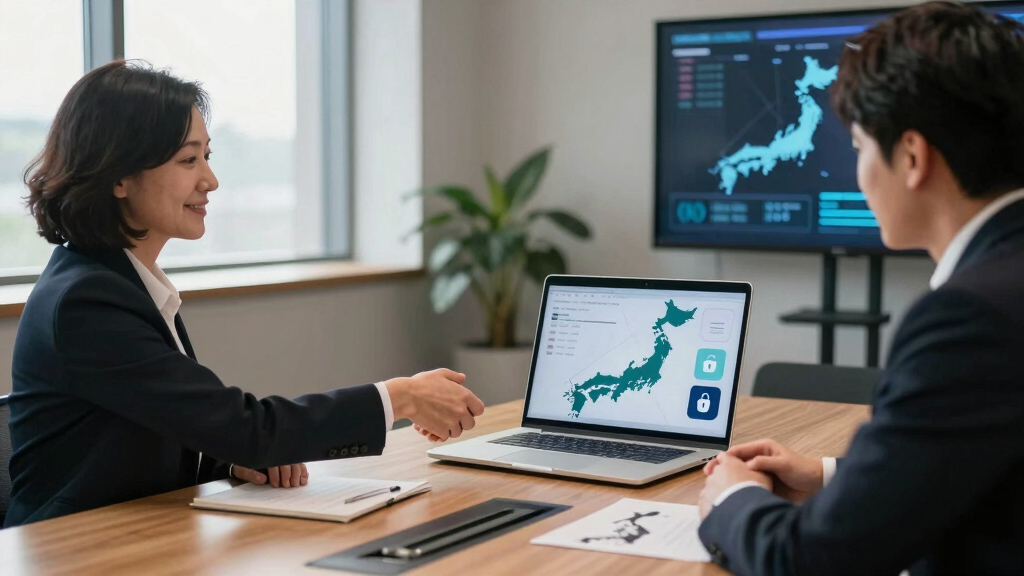
Japan and the Philippines will initiate negotiations on an intelligence-sharing agreement next week, marking a step toward closer security cooperation amid regional tensions. The pact would enable the exchange of classified security data, but details remain under discussion.
Japan and the Philippines will begin formal negotiations next week to establish an intelligence-sharing agreement, according to sources familiar with the matter. This move aims to strengthen security cooperation amid regional tensions, particularly concerning China and broader Indo-Pacific stability.
The negotiations are focused on creating a formal information security agreement that would facilitate the exchange of classified security data between the two nations. This development comes as Japan and the Philippines seek to deepen their security ties, with both countries expressing interest in countering regional threats. The initiative is part of a broader effort by Japan to bolster its alliances in the Indo-Pacific region, especially in light of China’s growing influence and assertiveness. The Philippine government has not yet issued an official statement, but sources indicate that discussions are progressing toward a formal agreement.
The planned talks follow a series of high-level meetings between Japanese Prime Minister Sanae Takaichi and Philippine President Ferdinand Marcos Jr., where regional security issues were a key focus. Officials from both countries have emphasized the importance of intelligence cooperation for regional stability and mutual defense, though specific details of the pact, such as scope and operational protocols, are still under negotiation.
Why It Matters
This development is significant because it signals a deepening of security ties between Japan and the Philippines, two key U.S. allies in the Indo-Pacific. An intelligence-sharing pact could enhance their ability to respond to regional threats, including Chinese military activities and other security challenges. It also reflects a broader trend of regional powers seeking closer cooperation to maintain stability amid rising tensions in the South China Sea and beyond. For the United States, this move aligns with its strategic interests in strengthening alliances that can counterbalance China’s influence.
secure encrypted communication devices
As an affiliate, we earn on qualifying purchases.
As an affiliate, we earn on qualifying purchases.
Background
The Philippines and Japan have been increasingly engaged in security cooperation over recent years, with both countries participating in joint military exercises and diplomatic dialogues. Japan has also been active in space industry collaborations. Japan has been actively expanding its security partnerships in Southeast Asia, partly driven by concerns over China’s assertiveness. The Philippines, under President Ferdinand Marcos Jr., has sought to diversify its security partnerships, including increased engagement with Japan and the United States. While formal intelligence-sharing agreements are common among allies, this would mark a significant step for the Philippines, which has historically maintained a cautious approach to classified information sharing. The move also fits into Japan’s broader strategy to strengthen regional security frameworks amid rising geopolitical tensions, including initiatives like space industry collaborations.
“The upcoming negotiations aim to establish a robust framework for intelligence cooperation, enhancing our collective regional security.”
— Japanese government official
“Discussions are progressing positively, and both sides see the value in formalizing intelligence sharing to address common security concerns.”
— Philippine diplomatic source
As an affiliate, we earn on qualifying purchases.
What Remains Unclear
It is not yet clear what the specific scope of the intelligence-sharing agreement will include, nor when it will be finalized. Details about operational protocols, legal frameworks, and potential limitations remain under discussion. Additionally, the extent of U.S. involvement or influence in these negotiations has not been publicly confirmed, and regional reactions are still developing.
professional surveillance equipment
As an affiliate, we earn on qualifying purchases.
As an affiliate, we earn on qualifying purchases.
What’s Next
The negotiations are scheduled to commence next week, with officials from both countries expected to hold multiple rounds of talks. A timeline for the potential signing of the agreement has not been announced, but observers anticipate that formalization could occur within the coming months. Monitoring of regional reactions and subsequent policy announcements will be key indicators of the pact’s future impact.
government-grade encryption tools
As an affiliate, we earn on qualifying purchases.
As an affiliate, we earn on qualifying purchases.
Key Questions
Why are Japan and the Philippines negotiating this pact now?
The move is driven by regional security concerns, notably China’s assertiveness in the South China Sea, and a desire to strengthen mutual defense capabilities amid rising tensions in the Indo-Pacific.
What would an intelligence-sharing agreement involve?
It would enable both countries to exchange classified security information, improve situational awareness, and coordinate responses to regional threats.
Will the U.S. be involved in these negotiations?
There has been no official confirmation of U.S. involvement; however, both Japan and the Philippines are U.S. allies, and the U.S. generally supports regional security cooperation among its partners.
When might the agreement be finalized?
Details are still under discussion, and no specific timeline has been announced. It could take several months before formal signing occurs.
How does this affect regional stability?
If successful, the pact could enhance joint security efforts, deter regional threats, and contribute to stability in the Indo-Pacific region.
Source: Nikkei Asia
Halloween Picks
halloween
As an affiliate, we earn on qualifying purchases.