
Emerging tech in medicine is transforming healthcare into a proactive, personalized experience. Wearable sensors let you monitor essential signs continuously, feeding real-time data into algorithms that can detect health issues early. Advanced diagnostics, including genetic insights, help tailor treatments specifically for you. Remote monitoring makes managing chronic conditions easier and more accessible. Together, these innovations promote prevention, boost quality of life, and shape a future where your health is actively optimized—discover how this shift impacts you as you explore further.
Prime for Young Adults — start your free trial
Fast free delivery, streaming and member deals for eligible 18–24 year olds.
As an affiliate, we earn on qualifying purchases.
Key Takeaways
- Advanced data analysis and genetic insights enable personalized diagnostics for early health risk detection.
- Wearable sensors provide continuous, real-time monitoring of vital signs for proactive health management.
- Integration of health data supports customized treatments, enhancing efficacy and reducing side effects.
- Remote monitoring technology improves accessibility and timely interventions for chronic and acute conditions.
- The shift toward predictive health promotes preventive care, improving quality of life and reducing healthcare burdens.
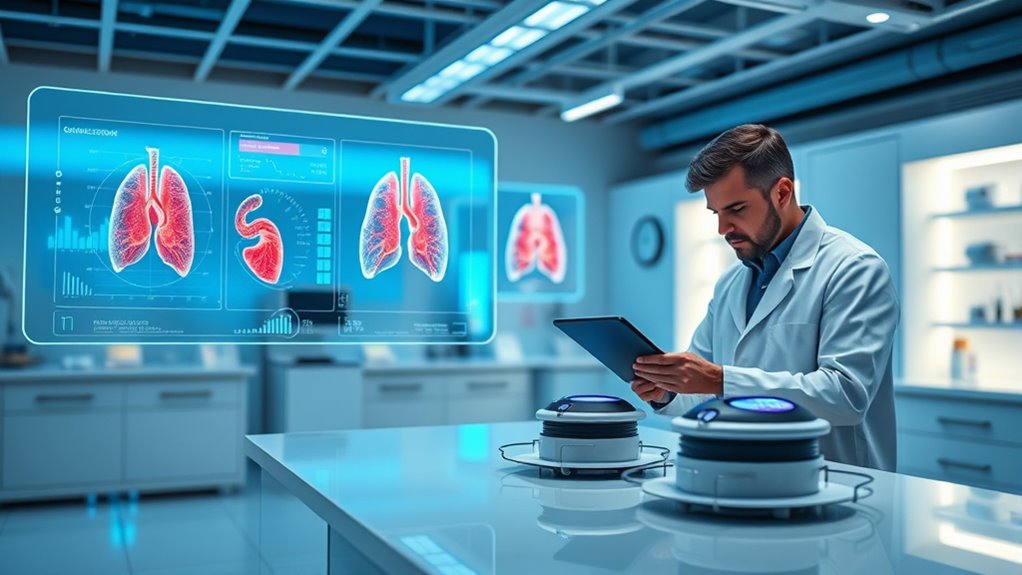
Have you ever wondered how technology is transforming healthcare? It’s an exciting time, especially with the rise of personalized diagnostics and wearable sensors. These innovations are shifting the focus from reactive treatment to proactive health management, empowering you to take control of your well-being like never before. Personalized diagnostics use advanced data analysis and genetic information to tailor health assessments specifically to you. Instead of generic tests, these diagnostics provide insights into your unique biological makeup, enabling early detection of potential health issues before symptoms even appear. That means you can address risks proactively, often preventing serious conditions down the line. Wearable sensors play a crucial role here, constantly monitoring vital signs such as heart rate, activity levels, sleep patterns, and even blood oxygen levels. They’re small, unobtrusive devices that you wear daily, seamlessly gathering data without disrupting your routine. This continuous stream of information feeds into sophisticated algorithms, offering real-time health insights and alerts directly to your smartphone or healthcare provider. Imagine getting a notification that your heart rate variability suggests increased stress or early signs of fatigue, prompting you to rest or seek medical advice before symptoms worsen. It’s a game changer in early intervention. These technologies also foster a more personalized approach to treatment. Your health data, collected through wearable sensors and detailed diagnostics, helps doctors develop tailored treatment plans that suit your specific needs. Instead of a one-size-fits-all approach, therapies can be customized based on your genetic makeup, lifestyle, and real-time health metrics. This increases the effectiveness of treatments and reduces side effects. Furthermore, the integration of these tools enables remote monitoring, making healthcare more accessible and convenient. You no longer need frequent visits to the doctor for routine checks; instead, your healthcare team can monitor your health remotely and intervene when necessary. This is particularly beneficial for managing chronic diseases like diabetes or hypertension, where continuous oversight can dramatically improve outcomes. As these technologies evolve, they’ll become even more embedded in everyday life, helping you catch health issues early and stay healthier longer. They also promote a shift toward preventive care, reducing the burden on healthcare systems and improving overall quality of life. Essentially, personalized diagnostics and wearable sensors are revolutionizing how you perceive and manage your health—making it smarter, more responsive, and tailored specifically to you. This emerging tech isn’t just about diagnosis; it’s about transforming the entire healthcare experience into a proactive, personalized journey that puts you in the driver’s seat of your health. Additionally, understanding the subconscious power during sleep can amplify these benefits by optimizing rest and mental well-being, further supporting your health journey.
As an affiliate, we earn on qualifying purchases.
Frequently Asked Questions
How Accurate Are Current Predictive Health Algorithms?
Current predictive health algorithms are quite accurate, but their accuracy depends heavily on data reliability. When the data used is extensive and high-quality, algorithms can predict health risks effectively, often with accuracy rates exceeding 80%. However, if the data is incomplete or biased, the algorithm’s accuracy drops. You should always consider that no predictive tool is perfect, and combining algorithms with clinical judgment offers the best results.
What Ethical Concerns Arise From Predictive Health Technologies?
You should be aware that predictive health technologies raise ethical concerns around patient privacy and data security. Your sensitive health data must be protected from breaches, and there’s a risk of misuse or discrimination based on predictions. As you engage with these innovations, it’s essential that strict privacy standards and secure data handling practices are in place to safeguard your rights and maintain trust in healthcare systems.
How Will Predictive Health Impact Healthcare Costs Long-Term?
Predictive health can lower your healthcare costs long-term by enabling early detection, which improves outcomes and reduces expensive treatments later. For example, a case study shows patients with early risk alerts needing fewer hospital stays. This technology helps with cost reduction and better resource allocation, ensuring resources go to those most in need. Over time, it could make healthcare more efficient and affordable for everyone.
Can Predictive Health Technologies Address Rare Diseases Effectively?
Yes, predictive health technologies can effectively address rare diseases. You can benefit from advanced genetic screening that identifies unique genetic markers, enabling early diagnosis. Personalized therapies then tailor treatments to your specific genetic makeup, increasing effectiveness. By leveraging these tools, healthcare becomes more precise, reducing trial-and-error approaches and improving outcomes for rare disease patients. This targeted approach offers hope for better management and potential cures for conditions once deemed untreatable.
What Training Is Needed for Healthcare Providers to Utilize These Innovations?
While technical skills are essential, mastering medical data literacy and fostering interdisciplinary collaboration are vital for healthcare providers. You need specialized training in interpreting complex data, understanding AI algorithms, and working seamlessly with data scientists. This guarantees you can effectively utilize predictive health innovations, improve patient outcomes, and stay ahead in a rapidly evolving landscape. Embracing continuous learning will help you bridge gaps between medicine and technology.
personalized genetic health test kit
As an affiliate, we earn on qualifying purchases.
As an affiliate, we earn on qualifying purchases.
Conclusion
As you step into this new era of medicine, predictive health becomes your guiding star, illuminating paths to better well-being before issues arise. Think of these emerging technologies as your vigilant guardian, always watching over your health like a lighthouse in a storm. Embracing this future means you’re not just reacting to health problems—you’re steering your life with foresight and confidence. The horizon of medicine is bright, and you’re at the forefront of this exciting voyage.
remote patient monitoring device
As an affiliate, we earn on qualifying purchases.
As an affiliate, we earn on qualifying purchases.
As an affiliate, we earn on qualifying purchases.
Fall Picks
fall essentials
As an affiliate, we earn on qualifying purchases.