
TL;DR

Get the latest gadgets delivered free — and shop member deals
- Fast, free delivery on millions of items
- Access to Prime Big Deal Days deals on October 6–7
- Prime Video, Amazon Music and more included
The only survivor of the June 2025 AI 171 crash was ejected from the aircraft during the impact and landed behind a mud embankment, which likely shielded him from the fireball. His survival is attributed to these factors, but many details remain under investigation.
The sole survivor of the June 12, 2025, AI 171 crash near Ahmedabad was ejected from the aircraft during the impact and landed behind a mud embankment, which experts believe protected him from the explosion and fireball. This assessment is based on police investigations and evidence collected from the crash site.
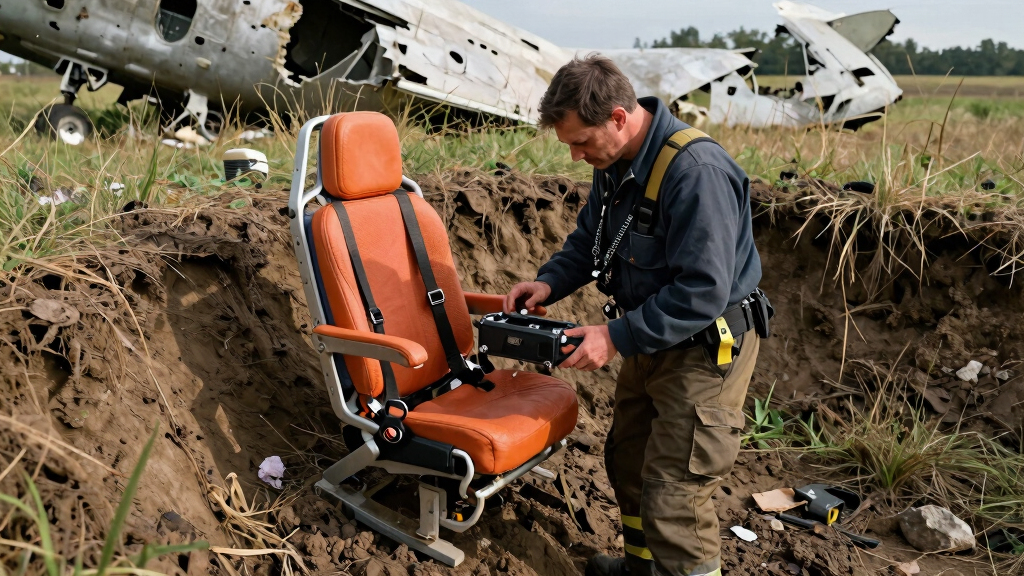
On June 12, 2025, Air India Flight 171, a Boeing 787 Dreamliner, crashed shortly after takeoff from Ahmedabad, killing 241 of the 242 onboard. The crash occurred 1.7 km from the airport, with the aircraft breaking apart in mid-air before impacting the ground. The only survivor, identified as Viswashkumar Ramesh, was ejected from the aircraft while still strapped to his seat, which was near an emergency exit.
According to sources familiar with the investigation, Ramesh was hurled approximately 50 feet from the wreckage and landed in a muddy patch created by ongoing construction work. A mud embankment, about 10 feet high, was situated nearby and is believed to have shielded him from the intense heat, flames, and blast force generated by the crash explosion. He sustained a dislocated shoulder and minor facial injuries but survived the catastrophe.
Investigators reconstructed the sequence of events using CCTV footage and a video recording from the opposite side of the aircraft, which provided new insights into the crash. The rear section of the aircraft, which contained Ramesh’s seat, was the first to impact the ground and was flung away from the main wreckage. The forward section later struck a nearby hostel complex and caught fire. Ramesh’s survival is attributed to his ejection and the protective barrier of the mud embankment, which prevented him from being caught in the explosion’s flames.
Implications of Ejection and Embankment in Survival
This case underscores how specific factors during a crash—such as seat ejection and natural or constructed barriers—can significantly influence survival chances. Understanding these elements may inform future safety protocols and aircraft design considerations, potentially saving lives in similar emergencies.
aircraft seat ejection safety harness
As an affiliate, we earn on qualifying purchases.
As an affiliate, we earn on qualifying purchases.
Details of the AI 171 Crash and Investigation Progress
The AI 171 crash was one of the deadliest aviation accidents involving a Boeing 787 in recent years, with 241 fatalities. The aircraft lost altitude shortly after takeoff, breaking apart mid-air before impacting the ground near Ahmedabad. The investigation has focused on the sequence of impact, the aircraft’s structural failure, and the survivability factors for the lone survivor. Authorities have examined CCTV footage, crash site evidence, and a video recording to piece together the events, but some aspects remain under analysis.
“The mud embankment acted as a shield between him and the aircraft. It protected him from the direct impact of the fireball, heat, and flames generated by the explosion.”
— an anonymous police source
emergency escape seat for airplanes
As an affiliate, we earn on qualifying purchases.
As an affiliate, we earn on qualifying purchases.
Remaining Questions About the Crash and Survivor
While investigators have reconstructed much of the crash sequence, several details remain unclear. It is not yet confirmed how exactly Ramesh’s seat was ejected, whether seat ejection mechanisms played a role, or if other factors contributed to his survival. The full extent of the aircraft’s structural failure and the precise timing of events are still under review. Further forensic analysis and investigation results are awaited.
As an affiliate, we earn on qualifying purchases.
Next Steps in Investigation and Safety Review
Authorities plan to release a detailed report on the crash, including findings on the seat ejection and survival factors. Additional forensic examinations and analysis of cockpit data are expected. The investigation aims to determine whether safety improvements are needed for future flights and to clarify the circumstances surrounding Ramesh’s remarkable survival.
survival gear for aviation emergencies
As an affiliate, we earn on qualifying purchases.
As an affiliate, we earn on qualifying purchases.
Key Questions
How did the survivor escape the crash?
The survivor was ejected from the aircraft while still strapped to his seat near an emergency exit, landing behind a mud embankment that likely shielded him from the explosion and flames.
What role did the mud embankment play in his survival?
The embankment acted as a protective barrier, absorbing heat, blast force, and flames, preventing the survivor from sustaining fatal burns or injuries.
Are there other similar cases of seat ejection aiding survival?
Such cases are extremely rare, and this incident is under investigation to understand if seat ejection mechanisms or other factors contributed to the survivor’s escape.
What caused the aircraft to break apart mid-air?
Investigators are still analyzing the structural failure, but initial evidence suggests loss of altitude and impact forces caused the aircraft to disintegrate before hitting the ground.
When will the official investigation report be released?
A comprehensive report is expected in the coming months as investigators complete forensic analysis and review all evidence collected from the crash site.
Source: Times of India
Fall Picks
fall essentials
As an affiliate, we earn on qualifying purchases.