
TL;DR

Get the latest gadgets delivered free — and shop member deals
- Fast, free delivery on millions of items
- Access to Prime Big Deal Days deals on October 6–7
- Prime Video, Amazon Music and more included
A solar-powered drone operated by Skydweller Aero broke the record for longest flight at eight days, but subsequently crashed into the ocean during severe weather. The incident highlights advances and risks in solar aircraft technology.
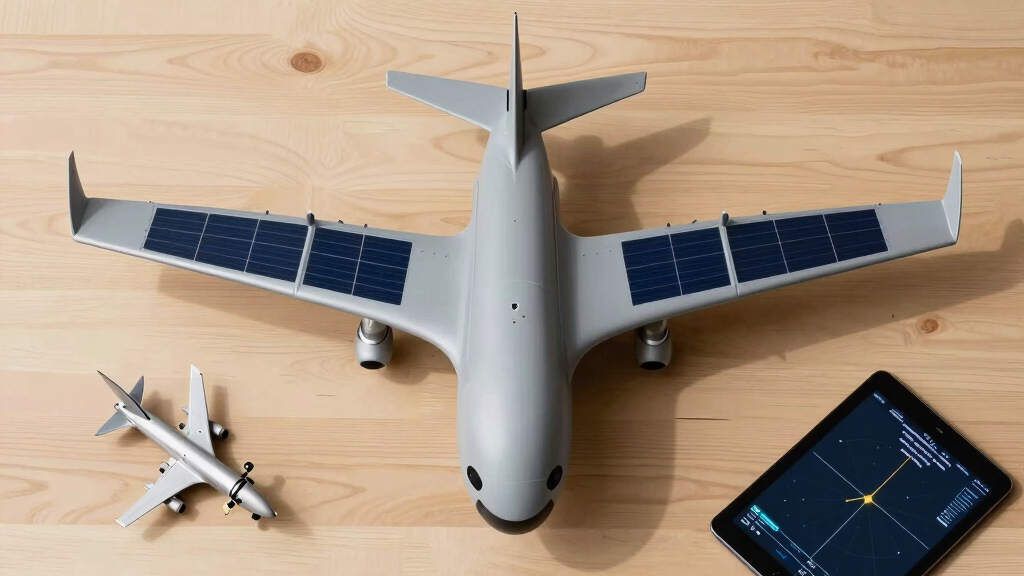
A solar-powered drone with a wingspan comparable to a Boeing 747 has crashed into the sea after setting a record for the longest flight of eight days and 14 minutes. The drone, operated by Skydweller Aero, was engaged in military and maritime patrol exercises when it encountered severe weather, leading to its loss. The incident underscores both the technological progress and the vulnerabilities of solar aircraft in operational environments.
The drone, a modified version of the Solar Impulse 2, was conducting testing for US military maritime patrol missions, including tracking ships and acting as a communications relay. It departed from Mississippi on April 26 and participated in the Navy’s FLEX 2026 exercises near Florida’s Key West, supporting operations against transnational crime. After the exercise, the drone continued operational flights over the Caribbean, demonstrating extended endurance and airspace flexibility. On May 3, it encountered extreme weather with high vertical air mass variability near Cancun, Mexico. Despite systems remaining nominal, the drone lacked sufficient energy reserves to handle the turbulence and was last tracked on Flight Radar 24 before performing a controlled water ditching around 6:30 a.m. Eastern Time. The aircraft sank due to its non-buoyant composite structure. The flight, which surpassed previous records for solar-powered aircraft, was celebrated as a significant achievement for renewable energy in aviation but ended in loss of the prototype.
Why It Matters
This incident highlights the potential and limitations of solar-powered aircraft for military and civilian applications. The record flight demonstrated the operational viability of persistent, solar-powered, medium-altitude drones for extended missions. However, the crash emphasizes the vulnerability of such aircraft to extreme weather, raising questions about their resilience and operational safety in adverse conditions. The event may influence future design improvements and operational protocols for solar aircraft, especially in challenging environments.
As an affiliate, we earn on qualifying purchases.
Background
Skydweller Aero modified the Solar Impulse 2 aircraft to develop a solar-powered drone capable of long-duration, uncrewed flights. The aircraft’s wingspan of 236 feet (72 meters) is comparable to a Boeing 747, covered with over 17,000 solar cells, enabling it to operate solely on renewable energy. The drone’s record-breaking flight builds on the legacy of Solar Impulse 2, which completed the first solar-powered Atlantic and Pacific crossings. The aircraft was used in military testing, including maritime patrols and tracking operations, under contracts with the US Navy and Air Force. The recent flight occurred during a period of intensified US military operations in the Caribbean and Pacific, including actions against drug trafficking. The crash marks a significant setback for Skydweller Aero, which plans future upgrades but currently has no immediate replacements for the lost drone.
“The aircraft demonstrated the practical military utility of persistent, medium-altitude solar aircraft, despite its loss at sea.”
— Skydweller Aero spokesperson
“The drone supported key maritime surveillance and communication functions during the FLEX exercises.”
— US Navy official (unconfirmed)
As an affiliate, we earn on qualifying purchases.
What Remains Unclear
It remains unclear exactly what specific role the drone played in the military exercise, and whether its loss impacts ongoing operations. The precise weather conditions that caused the crash are still being analyzed, and the extent of damage to the drone’s systems is not publicly confirmed. Salvage efforts and future operational plans are also still under consideration.
As an affiliate, we earn on qualifying purchases.
What’s Next
Skydweller Aero plans to evaluate the crash and develop upgrades to improve resilience against extreme weather. The company is also exploring future prototypes, but none are immediately ready to replace the lost drone. The incident may prompt further testing of weather mitigation strategies for solar aircraft. Regulatory and operational protocols for such aircraft in adverse conditions are expected to evolve.
As an affiliate, we earn on qualifying purchases.
Key Questions
What was the purpose of the Skydweller drone’s flight?
The drone was conducting military and maritime patrol testing, including tracking ships, supporting communications, and demonstrating endurance capabilities during exercises with the US Navy.
How significant was the record-breaking flight?
The flight lasted over eight days, surpassing previous records for solar-powered aircraft, marking a major milestone in renewable aviation technology.
Why did the drone crash into the sea?
Extreme weather conditions, including high vertical air mass variability, led to the drone’s loss. Despite systems functioning normally, lack of energy reserves prevented it from withstanding turbulence.
What impact does this have on future solar aircraft development?
The incident highlights the need for improved weather resilience in solar aircraft, potentially influencing future design and operational strategies.
Will the drone be salvaged or replaced?
There are no immediate plans for salvage or replacement; Skydweller Aero is focused on assessing the crash and developing future upgrades.
Halloween Picks
halloween
As an affiliate, we earn on qualifying purchases.