
TL;DR

Get the latest gadgets delivered free — and shop member deals
- Fast, free delivery on millions of items
- Access to Prime Big Deal Days deals on October 6–7
- Prime Video, Amazon Music and more included
Valve considered developing a barebones, low-cost Steam Machine but decided against releasing it. The move reflects their cautious hardware approach amid market uncertainties. The reasons remain partly undisclosed.
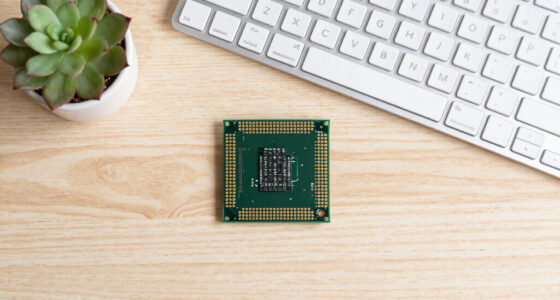
Valve considered creating a barebones, low-cost Steam Machine aimed at expanding PC gaming access, but ultimately decided not to release such a device, according to industry sources.
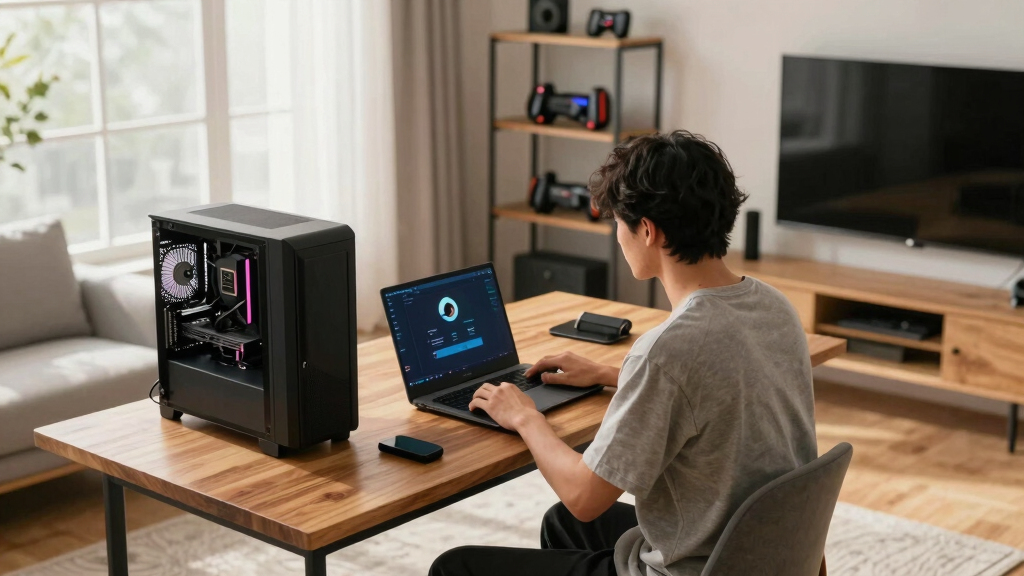
Recent reports from Digital Foundry and industry insiders reveal that Valve evaluated the possibility of producing a minimalistic, budget-friendly Steam Machine. This device would have focused on simplicity and affordability, potentially appealing to gamers seeking a straightforward console-like experience powered by SteamOS.
However, Valve chose not to move forward with the project. The company’s representatives have not officially confirmed the project’s cancellation, but sources close to Valve indicate that internal assessments and market considerations led to the decision.
This decision aligns with Valve’s cautious approach to hardware, emphasizing software and platform stability over hardware expansion. The company has previously experimented with hardware products like the Steam Controller and Steam Deck, with mixed success.
Implications for Valve’s Hardware Strategy
This development highlights Valve’s cautious stance toward hardware production, emphasizing software and platform stability over entering the low-cost hardware market. It also raises questions about whether Valve will pursue other simplified or budget hardware options in the future, especially as the gaming market evolves.
For consumers, the absence of a barebones Steam Machine means fewer affordable, straightforward options for PC gaming under Valve’s ecosystem, potentially impacting the company’s efforts to broaden its user base.
As an affiliate, we earn on qualifying purchases.
Background on Valve’s Hardware Initiatives
Valve has a history of experimenting with hardware, including the Steam Machine line launched around 2015, which ultimately struggled to gain widespread adoption. The company later released the Steam Deck in 2022, a portable gaming PC that received positive reviews but also revealed the company’s cautious approach to hardware risk-taking.
Prior to the Steam Deck, Valve’s hardware efforts included the Steam Controller and various prototypes, but none achieved mainstream success. The idea of a barebones Steam Machine was seen as a potential way to expand the ecosystem at a lower cost, but it was never officially launched.
“Valve seriously considered a minimalistic, low-cost Steam Machine but decided against production due to market uncertainties.”
— Industry insider
As an affiliate, we earn on qualifying purchases.
Unconfirmed Status of the Barebones Steam Machine
Valve has not officially confirmed the cancellation of the barebones Steam Machine project. Details about why it was abandoned, whether development was fully halted, or if plans might be revisited remain unclear. The information primarily comes from industry sources and leaks, not official statements.
As an affiliate, we earn on qualifying purchases.
Potential Future Hardware Directions for Valve
Valve may continue focusing on software and platform development, such as SteamOS and Steam Deck, rather than low-cost hardware. It remains to be seen whether the company will revisit simplified hardware concepts or pursue other innovations in gaming hardware, especially as market dynamics shift.
As an affiliate, we earn on qualifying purchases.
Key Questions
Why did Valve consider a barebones Steam Machine?
According to industry sources, Valve aimed to create an affordable, straightforward device to expand access to PC gaming within their ecosystem.
Are there any plans to develop a similar device in the future?
Valve has not announced any such plans. The company appears to be focusing on software and more advanced hardware like the Steam Deck.
What were the main reasons for not releasing the barebones Steam Machine?
Market uncertainties, internal assessments, and strategic priorities likely influenced Valve’s decision to halt the project, though no official reasons have been provided.
Could Valve revisit this idea later?
It remains possible, but there are no current indications that Valve plans to reintroduce a barebones Steam Machine in the near future.
How does this affect Valve’s overall hardware strategy?
This suggests Valve prefers to focus on high-profile hardware like the Steam Deck and platform development rather than low-cost, simplified devices.
Source: google-trends
Halloween Picks
halloween
As an affiliate, we earn on qualifying purchases.