Among these portable SSDs, I rank the Samsung T7 2TB as the best overall for its useful capacity and straightforward USB 3.2 Gen 2 performance. The SanDisk Extreme 2TB is a stronger fit for buyers who want a rugged drive and higher advertised speeds, while the Samsung T9 2TB is aimed at compatible setups that can use its faster USB 3.2 Gen 2×2 interface. The main tradeoffs are capacity versus portability, advertised speed versus host-device support, and rugged features versus a simpler everyday drive. Smaller-capacity models can suit focused transfers, while 4TB options reduce the need to juggle drives. Read on for the full comparison and buying advice.

Get the latest gadgets delivered free with Prime
- Fast, free delivery on millions of items
- Prime Video, Amazon Music and more included
- Member-only deals all year
Complete the kit



Key Takeaways
- The Samsung T7 2TB is my overall pick because it pairs a broadly useful capacity with a familiar USB 3.2 Gen 2 connection, without asking buyers to depend on Gen 2×2 support.
- The SanDisk Extreme line is the ruggedness-focused group; its advertised speeds vary by model, so check the exact capacity and generation instead of assuming every Extreme drive performs alike.
- The Samsung T9 models target compatible high-speed setups, but their USB 3.2 Gen 2×2 ceiling only matters when the computer or other host supports that interface.
- Capacity changes the buying decision more than the name alone suggests: 500GB and 1TB models suit lighter libraries, while 2TB and 4TB versions better fit large media collections and frequent backups.
- SanDisk’s standard portable SSDs span several advertised speed tiers, including 600, 800, and 1,000MB/s; buyers should compare the specific listing rather than treating them as one equivalent model.
| Samsung T7 Portable SSD, 1TB, Titan Gray | 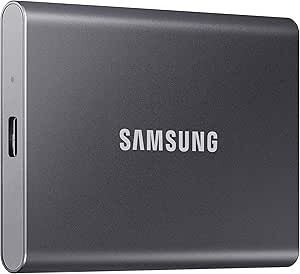 | Best Overall | Capacity: 1 TB | Read speed: Up to 1,050 MB/s | Write speed: Up to 1,000 MB/s | VIEW LATEST PRICE | See Our Full Breakdown |
| SanDisk 2TB Portable SSD, USB-C, Up to 1000MB/s Read Speed |  | Best Value Capacity | Capacity: 2 TB | Read speed: Up to 1,000 MB/s | Connector: USB Type-C | VIEW LATEST PRICE | See Our Full Breakdown |
| SanDisk Extreme Portable SSD, 4TB, Up to 2000MB/s |  | Best for Large, Rugged Workflows | Capacity: 4 TB | Read speed: Up to 2,000 MB/s | Interface: USB-C | VIEW LATEST PRICE | See Our Full Breakdown |
| Samsung T7 Portable SSD, 2TB, Titan Gray, USB 3.2 Gen 2 | | Best for Large Everyday Backups | Capacity: 2 TB | Read speed: Up to 1,050 MB/s | Write speed: Up to 1,000 MB/s | VIEW LATEST PRICE | See Our Full Breakdown |
| SanDisk Extreme Portable SSD, 500GB, Up to 2000MB/s | | Best Compact Rugged Pick | Capacity: 500 GB | Read speed: Up to 2,000 MB/s | Connector: USB Type-C | VIEW LATEST PRICE | See Our Full Breakdown |
| SanDisk Extreme Portable SSD, 2TB, Up to 2000MB/s | | Best for Rugged Everyday Carry | Storage capacity: 2 TB | Interface: USB 3.0 | Connector: USB Type-C | VIEW LATEST PRICE | See Our Full Breakdown |
| Samsung T9 Portable SSD, 2TB, USB 3.2 Gen 2×2 | 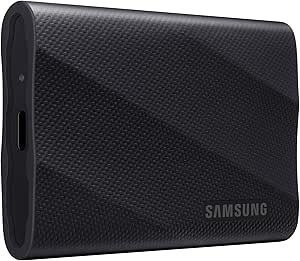 | Best for Fast 2TB Transfers | Storage capacity: 2 TB | Interface: USB 3.2 Gen 2×2 | Read speed: Up to 2,000 MB/s | VIEW LATEST PRICE | See Our Full Breakdown |
| SanDisk 1TB Portable USB-C Drive, Up to 600MB/s Read Speed, Black |  | Best for Lightweight Everyday Storage | Storage capacity: 1 TB | Connectivity: USB Type-C | Read speed: Up to 600 MB/s | VIEW LATEST PRICE | See Our Full Breakdown |
| Samsung T9 Portable SSD 4TB, USB 3.2 Gen 2×2, Up to 2,000 MB/s | | Best High-Capacity Performance Pick | Storage capacity: 4 TB | Interface: USB 3.2 Gen 2×2 | Read/write speed: Up to 2,000 MB/s | VIEW LATEST PRICE | See Our Full Breakdown |
| Samsung T9 Portable SSD, 1TB, USB 3.2 Gen 2×2, Up to 2,000 MB/s | | Best Compact High-Speed Work Drive | Storage capacity: 1 TB | Interface: USB 3.2 Gen 2×2 | Read speed: Up to 2,000 MB/s | VIEW LATEST PRICE | See Our Full Breakdown |
| SanDisk 2TB Extreme Portable SSD – up to 1050 MB/s read speeds (old model) |  | Best for Rugged 2TB Storage | Storage capacity: 2 TB | Interface: USB 3.2 Gen 2 | Maximum read speed: 1050 MB/s | VIEW LATEST PRICE | See Our Full Breakdown |
| SanDisk 1TB Portable SSD – Up to 800 MB/s Read Speed, Black (Old Model) |  | Best for Everyday Carry | Capacity: 1 TB | Interface: USB 3.2 Gen 2, USB Type-C | Maximum read speed: 800 MB/s | VIEW LATEST PRICE | See Our Full Breakdown |
| SanDisk Extreme Portable SSD, 1 TB, Up to 2000 MB/s | | Best for High-Speed Compact Workflows | Storage capacity: 1 TB | Maximum read speed: Up to 2000 MB/s | Interface: USB 3.0 | VIEW LATEST PRICE | See Our Full Breakdown |
| SanDisk 1TB Portable SSD, Up to 1000 MB/s, Black | | Best for Simple Plug-and-Play Use | Digital storage capacity: 1 TB | Interface: USB 3.0 | Connectivity: USB Type-C | VIEW LATEST PRICE | See Our Full Breakdown |
| portable SSD | Drop protection | Interface | Read speed | Encryption |
|---|---|---|---|---|
| Samsung T7 Portable SSD | Up to 6 feet | — | Up to 1,050 MB/s | 256-bit AES hardware encryption |
| SanDisk 2TB Portable SSD | Up to 2 meters | — | Up to 1,000 MB/s | — |
| SanDisk Extreme Portable SSD | Up to 3 meters | USB-C | Up to 2,000 MB/s | — |
| Samsung T7 Portable SSD | Up to 6 feet | USB 3.2 Gen 2 | Up to 1,050 MB/s | 256-bit AES hardware encryption |
| SanDisk Extreme Portable SSD | Up to 3 meters | — | Up to 2,000 MB/s | 256-bit AES password protection |
| SanDisk Extreme Portable SSD | Up to 3 m | USB 3.0 | Up to 2,000 MB/s | 256-bit AES |
| Samsung T9 Portable SSD | — | USB 3.2 Gen 2×2 | Up to 2,000 MB/s | Hardware encryption |
| SanDisk 1TB Portable USB-C Dri | Up to 2 m | — | Up to 600 MB/s | — |
| Samsung T9 Portable SSD 4TB | — | USB 3.2 Gen 2×2 | — | AES 256-bit hardware encryption |
| Samsung T9 Portable SSD | — | USB 3.2 Gen 2×2 | Up to 2,000 MB/s | AES 256-bit hardware encryption |
| SanDisk 2TB Extreme Portable S | Up to 3 meters | USB 3.2 Gen 2 | — | 256-bit AES hardware encryption |
| SanDisk 1TB Portable SSD | Up to 2 meters | USB 3.2 Gen 2, USB Type-C | — | — |
| SanDisk Extreme Portable SSD | — | USB 3.0 | — | 256-bit AES password protection |
| SanDisk 1TB Portable SSD | Up to 2 meters | USB 3.0 | — | — |
More Details on Our Top Picks
Samsung T7 Portable SSD, 1TB, Titan Gray
I’d choose the 1TB Samsung T7 as the balanced everyday option: its read and write speeds reach 1,050 MB/s and 1,000 MB/s, and it includes both USB-C-to-C and USB-C-to-A cables. That makes it easier to move between newer laptops and older USB-A computers than the USB-C-only SanDisk 2TB Portable SSD. Its aluminum body and 6-foot drop protection also suit a drive that travels in a work bag. The tradeoff is capacity: the 2TB Samsung T7 in this lineup offers the same stated speeds and construction while holding twice as much. Maximum performance also depends on a compatible USB 3.2 Gen 2 connection and UASP support, and some host devices may need the drive reformatted. I’d pick this version when portability and broad cable compatibility matter more than room for a large archive.
Pros:- Up to 1,050 MB/s read and 1,000 MB/s write speeds
- Includes USB-C-to-C and USB-C-to-A cables
- Aluminum unibody with drop protection up to 6 feet
- 256-bit AES hardware encryption
Cons:- Only 1TB of capacity, less than the 2TB Samsung T7 at similar stated speeds
- Maximum speeds require a compatible USB 3.2 Gen 2 connection and UASP support
- Some host devices or operating systems may require reformatting
Best for: Laptop owners who want a fast, compact drive for active projects and need cables for both USB-C and USB-A devices.
Not ideal for: Photographers or video editors building a large, long-term archive; the 1TB capacity is smaller than the 2TB Samsung T7 and the 4TB SanDisk Extreme.
- Capacity:1 TB
- Read speed:Up to 1,050 MB/s
- Write speed:Up to 1,000 MB/s
- USB standard:USB 3.2 Gen 2
- Encryption:256-bit AES hardware encryption
- Construction:Aluminum unibody
- Drop protection:Up to 6 feet
- Included cables:USB Type-C-to-C and USB Type-C-to-A
Our verdict“Choose this T7 for a fast, adaptable everyday drive when 1TB is enough and included cables matter.”
SanDisk 2TB Portable SSD, USB-C, Up to 1000MB/s Read Speed
The SanDisk 2TB Portable SSD prioritizes room for files over a long list of speed claims: it offers 2TB and up to 1,000 MB/s read speed in a pocket-sized, 1.12-ounce enclosure. Compared with the 1TB Samsung T7, it doubles the listed capacity while keeping a similar headline read speed, making it a practical fit for backups and media libraries. Its USB-C plug-and-play connection and 2-meter drop protection support a simple carry-and-connect routine. The compromise is that no write-speed figure is supplied, so I can’t rank its sustained file-copy performance alongside the Samsung T7’s stated 1,000 MB/s write speed. It also lacks the detailed IP65 protection and encryption information listed for the SanDisk Extreme models. I’d favor it for capacity and light carry, not for rugged field work or predictable write-speed needs.
Pros:- 2TB capacity in a pocket-sized enclosure
- Read speeds up to 1,000 MB/s
- Drop protection up to 2 meters
- USB-C plug-and-play connectivity and low 1.12-ounce weight
Cons:- No write-speed figure is provided
- USB-C connector may be less convenient with older USB-A-only devices without an adapter
- Does not list the IP65 rating or encryption found on the SanDisk Extreme models
Best for: Students and laptop users who want a light 2TB drive for documents, photos, and general backups over USB-C.
Not ideal for: Field creators who need stated write speeds, IP-rated water and dust resistance, or a defined encryption feature.
- Capacity:2 TB
- Read speed:Up to 1,000 MB/s
- Connector:USB Type-C
- Compatibility:Desktop, laptop, smartphone, and tablet
- Drop protection:Up to 2 meters
- Weight:1.12 ounces
- Dimensions:1.77 × 3.35 × 0.39 inches
- Listed features:Portable, dust resistant, shock resistant, and water resistant
Our verdict“Pick this SanDisk when you want a lightweight 2TB USB-C drive for everyday storage and can accept an unspecified write speed.”
SanDisk Extreme Portable SSD, 4TB, Up to 2000MB/s
For people carrying a large working library, the 4TB SanDisk Extreme combines the greatest capacity in this five-drive group with a stated read speed up to 2,000 MB/s. Its IP65 water and dust resistance and protection from drops up to 3 meters make it better suited to exposed work sites and travel than the Samsung T7 models, whose listed drop protection is 6 feet and whose data does not specify an IP rating. The extra protection and space come with practical caveats: the product data gives no write-speed figure, and the stated maximum read speed depends on the rest of the connection setup. Password protection uses 256-bit AES encryption, but requires a software download and is supported on Windows 10+ and macOS 12+. Compared with the 500GB SanDisk Extreme, this is the clear pick for large projects, though it takes more storage than a casual carry drive may need.
Pros:- Large 4TB capacity for project files and media libraries
- Read speeds up to 2,000 MB/s
- IP65-rated water and dust resistance
- Drop protection up to 3 meters and 256-bit AES password protection
Cons:- Write speed is not stated in the product data
- Encryption requires a software download and supports Windows 10+ and macOS 12+
- The protection and capacity may be unnecessary for users who mainly store small everyday files
Best for: Video professionals, photographers, and field teams who carry large project libraries and need water, dust, and drop protection.
Not ideal for: Casual users with modest storage needs or buyers who need a clearly stated write speed and hardware-based encryption.
- Capacity:4 TB
- Read speed:Up to 2,000 MB/s
- Interface:USB-C
- Protection:IP65 water and dust resistance
- Drop protection:Up to 3 meters
- Security:Password protection with 256-bit AES encryption
- Form factor:2.5-inch
- Compatible devices:Desktop, laptop, smartphone, and tablet
Our verdict“Choose this model for high-capacity field storage when rugged protection matters more than a stated write-speed specification.”
Samsung T7 Portable SSD, 2TB, Titan Gray, USB 3.2 Gen 2
The 2TB Samsung T7 keeps the same up-to-1,050 MB/s read and 1,000 MB/s write speeds as the 1TB T7, but gives backup-heavy users twice the working room. That makes it a more sensible choice for photo collections, console libraries, or ongoing project folders when carrying a single drive matters. Its aluminum unibody, 6-foot drop protection, and 256-bit AES hardware encryption make it a well-rounded everyday option. Against the 4TB SanDisk Extreme, the T7 offers a stated write speed and hardware encryption, but half the capacity and no listed IP65 water-and-dust rating. Like the smaller T7, its top speeds depend on a compatible USB 3.2 Gen 2 connection and UASP support. I’d choose it over the 1TB version when avoiding frequent file pruning matters, but skip it if rugged environmental protection or maximum capacity is the priority.
Pros:- 2TB capacity with up to 1,050 MB/s read and 1,000 MB/s write speeds
- 256-bit AES hardware encryption
- Aluminum unibody with drop protection up to 6 feet
- Works with compatible computers, mobile devices, cameras, and gaming consoles
Cons:- Maximum speeds require a compatible USB 3.2 Gen 2 connection and UASP support
- No IP water- or dust-resistance rating is listed
- Offers half the capacity of the 4TB SanDisk Extreme
Best for: Photographers, console owners, and mobile professionals who need 2TB for regular backups and active files in a compact drive.
Not ideal for: People working in wet or dusty environments, or users who need more than 2TB for a single project archive.
- Capacity:2 TB
- Read speed:Up to 1,050 MB/s
- Write speed:Up to 1,000 MB/s
- Interface:USB 3.2 Gen 2
- Encryption:256-bit AES hardware encryption
- Material:Aluminum unibody
- Drop protection:Up to 6 feet
- Included cables:USB Type-C-to-C and USB Type-C-to-A
Our verdict“Choose the 2TB T7 for fast, encrypted everyday storage when you want more room than the 1TB model without needing 4TB.”
SanDisk Extreme Portable SSD, 500GB, Up to 2000MB/s
The 500GB SanDisk Extreme suits a smaller, more mobile job: keep current files close, offload a phone or laptop, and carry a compact drive that is rated for IP65 water and dust resistance plus drops up to 3 meters. Its stated read speed reaches 2,000 MB/s, above the 1,050 MB/s listed for the Samsung T7, though the SanDisk data does not state a write speed, so that headline alone does not settle which drive copies every workload faster. Compared with the 4TB SanDisk Extreme, this model is easier to justify for a limited set of active files but leaves far less room for archives. Optional 256-bit AES password protection requires software and supports Windows 10+ and macOS 12+. I’d choose it for a portable, protected transfer drive; frequent video backups will likely outgrow 500GB.
Pros:- Compact 500GB capacity for carrying active files
- Read speeds up to 2,000 MB/s
- IP65-rated water and dust resistance
- Drop protection up to 3 meters
Cons:- 500GB can fill quickly with video and large photo libraries
- Write speed is not stated in the product data
- Password protection requires software and supports Windows 10+ and macOS 12+
Best for: Mobile creators and travelers who need a compact, rugged drive for a current project, phone offloads, or a limited set of working files.
Not ideal for: Video editors or photographers who keep large archives on one drive, or buyers who need a stated write speed or software-free encryption.
- Capacity:500 GB
- Read speed:Up to 2,000 MB/s
- Connector:USB Type-C
- Protection:IP65 water and dust resistance
- Drop protection:Up to 3 meters
- Encryption:256-bit AES password protection
- Weight:1.6 ounces
- Dimensions:3.35 × 2 × 0.39 inches
Our verdict“Pick this SanDisk for a small, rugged carry drive, but choose the 4TB version for archives or larger ongoing projects.”
SanDisk Extreme Portable SSD, 2TB, Up to 2000MB/s
The 2TB SanDisk Extreme Portable SSD suits people who move files between locations and want more protection than a basic portable drive provides. Its IP65 dust and water resistance and protection against drops up to 3 meters offer useful reassurance in a bag or on a busy shoot, while its stated read speed reaches 2,000 MB/s. Compared with the Samsung T9 2TB, this SanDisk emphasizes environmental protection; the T9 instead pairs matched high read and write speed claims with hardware encryption. One tradeoff is that SanDisk’s write speed is lower than its headline read speed, so repeated large exports may take longer than the maximum suggests. Password protection also requires downloaded software and is limited to specified newer operating systems. I’d pick it for durable, cross-device file storage, not for buyers who need verified peak writes or hassle-free encryption setup.
Pros:- IP65-rated dust and water resistance
- Drop protection rated up to 3 meters
- Read speeds stated up to 2,000 MB/s
- 256-bit AES password protection
Cons:- Write speeds are lower than the advertised maximum read speed
- Encryption requires a software download and supports only specified operating systems
- The listed USB 3.0 interface may limit peak throughput on some setups
Best for: Photographers, field workers, and commuters who want 2TB of storage with dust, water, and drop protection.
Not ideal for: People who regularly write very large files at peak speeds or need encryption without installing software.
- Storage capacity:2 TB
- Interface:USB 3.0
- Connector:USB Type-C
- Read speed:Up to 2,000 MB/s
- Dust and water resistance:IP65
- Drop protection:Up to 3 m
- Encryption:256-bit AES
- Compatible platforms:Mac, PC
Our verdict“Choose this SanDisk if rugged protection matters more than matched high-speed writes or simple encryption setup.”
Samsung T9 Portable SSD, 2TB, USB 3.2 Gen 2×2
The Samsung T9 2TB is the speed-focused middle ground for buyers who want a compact drive without stepping up to the 4TB version. Samsung lists read and write speeds up to 2,000 MB/s, and thermal management is intended to help during heavier workloads. That makes it a better fit than the SanDisk Extreme Portable SSD 2TB when repeated file writes matter more than explicit IP65 dust and water protection. Its main limitation is the connection: those maximum speeds depend on a USB 3.2 Gen 2×2 host, the right cable, and UASP support, so many devices may not reach them. Hardware encryption is a useful contrast with the SanDisk’s software-based password protection, though compatibility still varies by host. I’d choose this for fast transfers on a compatible computer, not as the ruggedest option for exposed field use.
Pros:- Read and write speeds stated up to 2,000 MB/s with a compatible setup
- Thermal management designed for heavy use
- Hardware encryption
- Works with a range of computers, consoles, tablets, and listed iPhone models
Cons:- Peak speed requires USB 3.2 Gen 2×2, a compatible cable, and UASP mode
- Actual compatibility and performance vary by host device
- No dust or water-resistance rating is specified in the product data
Best for: Video editors and power users with USB 3.2 Gen 2×2 devices who need a fast 2TB work drive.
Not ideal for: Buyers whose computers lack Gen 2×2 support or who need a stated IP-rated dust and water-resistant enclosure.
- Storage capacity:2 TB
- Interface:USB 3.2 Gen 2×2
- Read speed:Up to 2,000 MB/s
- Write speed:Up to 2,000 MB/s
- Form factor:Portable, 2.5 inches
- Encryption:Hardware encryption
- Color:Black
- Compatible devices:Gaming consoles, Mac, PC, tablet, iPhone 15/16
Our verdict“Pick the T9 2TB for fast, encrypted transfers when your host supports its high-bandwidth interface.”
SanDisk 1TB Portable USB-C Drive, Up to 600MB/s Read Speed, Black
For everyday carry where modest file-transfer speeds are enough, this 1TB SanDisk USB-C drive keeps the proposition simple: a small body, no moving parts, and drop protection up to 2 meters. Its stated read speed of up to 600 MB/s is well below the 2,000 MB/s figures on the Samsung T9 1TB and the SanDisk Extreme models, but many routine backups and document transfers do not require those higher ceilings. The lighter performance profile also makes it a less compelling choice for frequent large video exports, and write speeds are lower than the read figure. At 1.12 ounces, it is the most explicitly lightweight pick in this group. I’d select it for a compact daily backup drive, while buyers with demanding workflows should favor a faster model.
Pros:- Compact dimensions and 1.12-ounce weight
- USB Type-C connectivity
- No moving parts
- Drop protection up to 2 meters
Cons:- Read speed tops out at a stated 600 MB/s
- Write speeds are lower than the stated read speed
- 1TB capacity may be limiting for large media libraries
Best for: Students and mobile workers who want a lightweight USB-C drive for documents, photos, and regular backups.
Not ideal for: Video editors or other users who often move large files and want speeds near the 2,000 MB/s class.
- Storage capacity:1 TB
- Connectivity:USB Type-C
- Read speed:Up to 600 MB/s
- Drop protection:Up to 2 m
- Weight:1.12 ounces
- Dimensions:2.95 × 1.77 × 0.39 inches
- Compatible devices:Desktop, laptop, smartphone, tablet
- Compatible platforms:Mac, PC
Our verdict“Choose this SanDisk for lightweight routine storage, but step up to the Samsung T9 1TB for demanding transfer workloads.”
Samsung T9 Portable SSD 4TB, USB 3.2 Gen 2×2, Up to 2,000 MB/s
The Samsung T9 4TB combines the lineup’s largest capacity in this batch with stated read and write speeds up to 2,000 MB/s. That pairing is useful for keeping active projects, footage, or a broad media library on one drive rather than splitting work across smaller SSDs. Compared with the Samsung T9 2TB, the draw is capacity, not a faster speed class; both depend on a compatible USB 3.2 Gen 2×2 setup to reach their advertised maximums. Dynamic Thermal Guard helps manage heat under sustained use, and AES 256-bit hardware encryption adds protection for stored files. The tradeoff is that a capable host and UASP support are required for peak transfers, while host compatibility can vary. I’d choose this when storage headroom matters more than a smaller, lighter-footprint option.
Pros:- 4TB capacity for large projects and media libraries
- Read and write speeds stated up to 2,000 MB/s with a compatible host
- Dynamic Thermal Guard for heat management during heavy use
- AES 256-bit hardware encryption and drop resistance up to 9.8 feet
Cons:- Peak speeds require USB 3.2 Gen 2×2 and UASP support
- Host compatibility and achieved transfer speeds vary
- No IP-rated dust or water resistance is specified
Best for: Video professionals and large-library users who want 4TB on one drive for active projects and portable backups.
Not ideal for: People with limited USB bandwidth, modest storage needs, or workflows that do not benefit from the high-capacity model.
- Storage capacity:4 TB
- Interface:USB 3.2 Gen 2×2
- Read/write speed:Up to 2,000 MB/s
- Encryption:AES 256-bit hardware encryption
- Drop resistance:Up to 9.8 ft
- Form factor:Portable external SSD
- Compatible devices:Gaming consoles, Mac, PC, tablet, iPhone 15/16
- Color:Black
Our verdict“Choose the T9 4TB when you need substantial portable capacity and have a host that can use its high-speed interface.”
Samsung T9 Portable SSD, 1TB, USB 3.2 Gen 2×2, Up to 2,000 MB/s
The Samsung T9 1TB brings the T9’s high-speed feature set to buyers who need less space than the 2TB or 4TB models. Its read and write speeds are both listed up to 2,000 MB/s, with Dynamic Thermal Guard for sustained workloads, AES 256-bit hardware encryption, and drop resistance up to 9.8 feet. Compared with the SanDisk 1TB Portable USB-C Drive, this is the stronger match for large transfers and demanding work; the SanDisk is lighter and simpler but has a much lower stated read speed. The T9’s capacity is the compromise: 1TB can fill quickly with high-resolution video or large project archives. And its headline speed depends on USB 3.2 Gen 2×2, compatible cabling, and UASP support. I’d choose it for fast active work, not bulk storage.
Pros:- Read and write speeds stated up to 2,000 MB/s
- Dynamic Thermal Guard helps manage heat under heavy workloads
- AES 256-bit hardware encryption
- Drop resistance up to 9.8 feet
Cons:- Peak speed requires USB 3.2 Gen 2×2, compatible cables, and UASP support
- 1TB capacity may run short for extensive media projects
- Compatibility and performance vary by host device
Best for: Editors and creators who want a fast, encrypted 1TB drive for active projects and have a compatible host.
Not ideal for: Users keeping large video libraries or seeking the simplest, broadly compatible drive without checking interface support.
- Storage capacity:1 TB
- Interface:USB 3.2 Gen 2×2
- Read speed:Up to 2,000 MB/s
- Write speed:Up to 2,000 MB/s
- Encryption:AES 256-bit hardware encryption
- Drop resistance:Up to 9.8 ft
- Compatible devices:Mac, PC, tablet, iPhone 15/16
- Compatible game consoles:Xbox Series S/X, PlayStation 4/5
Our verdict“Pick the T9 1TB for fast active-project storage in a smaller capacity, provided your device supports its interface.”
SanDisk 2TB Extreme Portable SSD – up to 1050 MB/s read speeds (old model)
For buyers who need a larger portable drive that can handle rougher travel, this older 2TB SanDisk Extreme balances capacity with outdoor protection. Its rated 1050 MB/s read and 1000 MB/s write speeds suit frequent transfers, while IP65 protection and drop resistance up to 3 meters add reassurance around dust, splashes, and accidental falls. The carabiner loop also makes it easier to secure to a bag than the more basic SanDisk 1TB Portable SSD.
The tradeoff is that this model is not the speed leader in the lineup: the newer SanDisk Extreme Portable SSD, 1 TB, Up to 2000 MB/s advertises a much higher maximum read rate, though with half the capacity here. Performance also depends on a compatible USB 3.2 Gen 2 connection, and the formatted space will be below 2TB. I’d pick this model for rugged capacity, not for maximum headline speed.
Pros:- 2TB capacity for large project libraries and backups
- Rated read and write speeds of up to 1050 MB/s and 1000 MB/s
- IP65 dust and water resistance with drop protection up to 3 meters
- Carabiner loop and 256-bit AES hardware encryption
Cons:- Slower advertised read speed than the newer 2000 MB/s SanDisk Extreme model
- Maximum performance depends on a compatible USB 3.2 Gen 2 device
- Usable capacity is lower than the stated 2TB after formatting
Best for: Traveling photographers and field workers who want 2TB of storage, strong dust and water resistance, and a way to attach the drive to a bag.
Not ideal for: Buyers prioritizing the highest advertised transfer speed or connecting mainly to devices that do not support USB 3.2 Gen 2.
- Storage capacity:2 TB
- Interface:USB 3.2 Gen 2
- Maximum read speed:1050 MB/s
- Maximum write speed:1000 MB/s
- Drop protection:Up to 3 meters
- Water and dust resistance:IP65
- Encryption:256-bit AES hardware encryption
- Operating temperature:-20 °C to 85 °C
Our verdict“Choose this 2TB Extreme if ruggedness and capacity matter more than matching the newer SanDisk Extreme’s higher advertised read speed.”
SanDisk 1TB Portable SSD – Up to 800 MB/s Read Speed, Black (Old Model)
This older SanDisk 1TB Portable SSD is aimed at people who want a compact drive for carrying documents, media, and routine backups, rather than a rugged high-speed work drive. Its 800 MB/s maximum read speed is suitable for opening and retrieving files, and the rubber enclosure, two-meter drop protection, and attachment hook make it practical for a commute. Compared with the SanDisk 1TB Portable SSD, Up to 1000 MB/s, it has a lower stated read ceiling, but still offers a simple, portable USB-C connection.
The major compromise is the stated 80 MB/s write speed, which can make copying large video folders or project files take longer than the read-speed figure suggests. It also lacks the IP65 rating and 3-meter drop protection of the SanDisk 2TB Extreme. I’d choose it for everyday access and modest transfers, not frequent large writes or rough outdoor use.
Pros:- 1TB capacity in a compact portable form
- Up to 800 MB/s read speed for retrieving files
- Rubber enclosure and drop protection up to 2 meters
- USB-C connection for laptops, tablets, and consoles
Cons:- Stated write speed of 80 MB/s is much lower than its read speed
- No stated IP water or dust resistance
- Lower maximum read speed than the SanDisk 1TB model rated up to 1000 MB/s
Best for: Students and commuters who need a 1TB pocket drive for documents, media, and occasional backups, with basic drop protection.
Not ideal for: Video editors and other buyers who regularly write large files, or travelers who need IP-rated water and dust protection.
- Capacity:1 TB
- Interface:USB 3.2 Gen 2, USB Type-C
- Maximum read speed:800 MB/s
- Write speed:80 MB/s
- Drop protection:Up to 2 meters
- Enclosure material:Rubber
- Form factor:Portable 2.5-inch SSD
- Color:Black
Our verdict“Pick this older model for everyday portable storage if your workload is read-heavy and large file writes are uncommon.”
SanDisk Extreme Portable SSD, 1 TB, Up to 2000 MB/s
Among these 1TB options, this SanDisk Extreme has the highest stated read speed, at up to 2000 MB/s. That makes it the speed-focused choice for moving large working files when the connected device and interface can support its performance. It also combines a pocket-sized 1.6-ounce body with IP65 protection, drop resistance up to 3 meters, and 256-bit AES password protection—a more protective feature set than the basic SanDisk 1TB Portable SSD, Up to 1000 MB/s.
Those headline speeds should not be treated as guaranteed on every device: the listed interface is USB 3.0, and real transfer rates depend on the host connection and workload. The supplied details also give no numerical write-speed figure, so buyers focused on sustained writes should not assume it matches the read rate. Password protection requires a software download and is limited to specified Windows and macOS versions. This is the pick for speed and protection, not the simplest setup.
Pros:- Advertised read speed up to 2000 MB/s
- IP65 dust and water resistance with drop protection up to 3 meters
- Compact 1.6-ounce design with USB-C connector
- 256-bit AES password protection
Cons:- No numerical write speed is provided in the product details
- Encryption requires a software download and supported operating system
- Actual speed depends on the host device and connection
Best for: Photographers and creators moving large files between compatible computers who want compact storage with IP65 protection and password encryption.
Not ideal for: Buyers who need a clearly stated high write speed, want encryption without installing software, or cannot verify host compatibility for the advertised speed.
- Storage capacity:1 TB
- Maximum read speed:Up to 2000 MB/s
- Interface:USB 3.0
- Connector:USB Type-C
- Protection:IP65 dust and water resistance; drop protection up to 3 m
- Encryption:256-bit AES password protection
- Weight:1.6 oz
- Dimensions:3.35 × 2 × 0.39 in
- Compatible devices:Desktop, laptop, smartphone, and tablet
Our verdict“Choose this Extreme for a compact 1TB drive with the lineup’s highest stated read speed and added protection, provided your setup supports it.”
SanDisk 1TB Portable SSD, Up to 1000 MB/s, Black
This SanDisk 1TB Portable SSD suits buyers who want a small drive that connects over USB-C without drivers or setup. Its stated 1000 MB/s read speed is a step above the older 800 MB/s SanDisk portable model, while the 1.12-ounce body is lighter than the 1TB Extreme listed here. For routine photo transfers, device storage, and carrying files between a laptop and tablet, that combination makes it an uncomplicated everyday option.
It is less protective than the SanDisk Extreme Portable SSD, 1 TB, Up to 2000 MB/s: this model lists two-meter drop protection but no IP rating or encryption. The product details also provide no numerical write speed, so its 1000 MB/s read figure does not tell the whole story for large uploads. I’d favor it for simple, light carry and broad USB-C convenience; choose an Extreme model for stronger environmental protection or a higher advertised read ceiling.
Pros:- Up to 1000 MB/s stated read speed
- Lightweight 1.12-ounce body with a compact footprint
- USB-C connection works without drivers or setup
- Drop protection up to 2 meters
Cons:- No numerical write speed is provided
- No stated IP water or dust resistance
- Lacks the 3-meter drop protection and encryption listed for the 1TB SanDisk Extreme
Best for: Laptop and tablet owners who want a lightweight 1TB USB-C drive for everyday file transfers and backups without software setup.
Not ideal for: Field creators needing water and dust resistance, encryption, or a specified high write speed for repeated large-file transfers.
- Digital storage capacity:1 TB
- Interface:USB 3.0
- Connectivity:USB Type-C
- Maximum read speed:Up to 1000 MB/s
- Drop protection:Up to 2 meters
- Weight:1.12 oz
- Dimensions:1.77 × 3.35 × 0.39 in
- Compatible devices:Desktop, laptop, smartphone, and tablet
- Hardware platform:Mac, PC
Our verdict“Choose this model for a light, setup-free 1TB USB-C drive, but pick the Extreme if rugged protection or faster stated reads matter more.”
How We Picked
I compared the listed drives on the factors that change the day-to-day experience of carrying and using an SSD: advertised transfer speeds, capacity, interface, portability, and stated rugged features. I treated speed claims as ceilings rather than guaranteed real-world results, since the connected device, cable, file size, and workload can all affect transfers. I also gave weight to whether a drive’s interface is likely to be useful with common host devices, rather than ranking by the largest speed figure alone.
The ranking favors balanced capacity and practical compatibility first, then gives higher placement to models with a clear advantage for a specific need, such as a rugged build or a high-speed compatible setup. That puts the Samsung T7 2TB ahead as the everyday choice, while the SanDisk Extreme and Samsung T9 serve more defined priorities. Lower-capacity and older-model listings remain useful alternatives, but their narrower fit or lower advertised speed keeps them from leading the roundup.
| portable SSD | Read speed | Drop protection | Interface | Compatible devices |
|---|---|---|---|---|
| Samsung T7 Portable SSD | Up to 1,050 MB/s | Up to 6 feet | — | — |
| SanDisk 2TB Portable SSD | Up to 1,000 MB/s | Up to 2 meters | — | — |
| SanDisk Extreme Portable SSD | Up to 2,000 MB/s | Up to 3 meters | USB-C | Desktop, laptop, smartphone, and tablet |
| Samsung T7 Portable SSD | Up to 1,050 MB/s | Up to 6 feet | USB 3.2 Gen 2 | — |
| SanDisk Extreme Portable SSD | Up to 2,000 MB/s | Up to 3 meters | — | — |
| SanDisk Extreme Portable SSD | Up to 2,000 MB/s | Up to 3 m | USB 3.0 | — |
| Samsung T9 Portable SSD | Up to 2,000 MB/s | — | USB 3.2 Gen 2×2 | Gaming consoles, Mac, PC, tablet, iPhone 15/16 |
| SanDisk 1TB Portable USB-C Dri | Up to 600 MB/s | Up to 2 m | — | Desktop, laptop, smartphone, tablet |
| Samsung T9 Portable SSD 4TB | — | — | USB 3.2 Gen 2×2 | Gaming consoles, Mac, PC, tablet, iPhone 15/16 |
| Samsung T9 Portable SSD | Up to 2,000 MB/s | — | USB 3.2 Gen 2×2 | Mac, PC, tablet, iPhone 15/16 |
| SanDisk 2TB Extreme Portable S | — | Up to 3 meters | USB 3.2 Gen 2 | — |
| SanDisk 1TB Portable SSD | — | Up to 2 meters | USB 3.2 Gen 2, USB Type-C | — |
| SanDisk Extreme Portable SSD | — | — | USB 3.0 | Desktop, laptop, smartphone, and tablet |
| SanDisk 1TB Portable SSD | — | Up to 2 meters | USB 3.0 | Desktop, laptop, smartphone, and tablet |
Factors to Consider When Choosing Portable SSDs
Before choosing a portable SSD, I would match the drive to the devices and files it will actually handle. A model with a faster headline number may not save time if a laptop cannot use its interface, and a large capacity may be unnecessary for short-term transfers. These broader checks help avoid paying for a feature that will sit unused or picking a drive that fills sooner than expected.
Match the Interface to Your Host Device
USB-C describes the connector shape, not the transfer speed your setup will reach. A USB 3.2 Gen 2×2 drive such as the T9 needs a compatible host connection to take advantage of its higher advertised ceiling. Check the computer’s port specifications, not just whether a USB-C socket is present. Also account for hubs, docks, and cables, since an intermediate connection can limit throughput. If your devices support only a more common USB tier, a less expensive or less specialized drive may feel just as responsive for your work. Choose around the slowest link you expect to use regularly.
Choose Capacity Around Your Working Set
Think about the files that need to travel with you at the same time, rather than buying based only on your current free space. Video projects, photo libraries, and game installations can consume storage quickly, while documents and occasional transfers may fit comfortably on a smaller drive. Leave room for growth and temporary working copies; a drive filled close to capacity is harder to organize and use as a backup destination. Larger 2TB and 4TB models reduce file juggling, but they are not automatically the better choice if most data lives elsewhere. For important files, capacity should cover both the active project and a sensible margin.
Treat Advertised Speed as a Best-Case Figure
Maximum read and write claims are not promises for every task, and read speed does not tell the whole story when you regularly save large files. Small documents, mixed folders, and long sustained transfers can behave differently from a short sequential benchmark. Your host device, cable, file system, and remaining free space also influence results. If you move large media files often, look for a model whose interface and stated performance suit that workload, then confirm your computer can support it. For occasional backups, capacity and ease of connection may matter more than the highest published number. This distinction keeps speed claims in proportion to real use.
Decide How Much Ruggedness You Need
A portable drive faces bumps, dust, and travel hazards that a desk-bound drive may never encounter. The SanDisk Extreme models are the lineup’s more ruggedness-oriented choices, while the standard Samsung T7 and T9 and SanDisk portable models focus on different combinations of speed and capacity. A rugged exterior can help with everyday handling, but it does not replace careful backups or protection from every kind of damage. Consider whether the drive will live in a padded bag, move between job sites, or stay mostly at home. Pay for added protection when your routine creates a real exposure, not just because the drive will leave your desk.
Check the Exact Model and Generation
Several listings in this roundup share brand names while differing in advertised speed, capacity, or model age. That makes the exact product title and specifications more useful than a familiar series label alone. Older SanDisk portable SSD listings, for example, advertise different speed ceilings from newer or other current listings in the same broad family. Confirm the capacity, interface, and stated read speed on the listing before ordering, especially when comparing similar-looking products. Avoid assuming a model number or name carries the same features across every capacity. This simple check can prevent a mismatch between the drive you expect and the one you receive.
Plan for Backups and Compatibility
A portable SSD is convenient storage, but one drive should not be the only copy of files that would be difficult to replace. Keep a second copy on another drive or in a separate backup location, particularly for work projects and personal archives. Check that the drive’s file system works with the computers, cameras, or consoles you plan to connect; reformatting may be needed for some uses and can erase existing data. If you move between operating systems, verify whether you need shared read-and-write access before loading the drive. A little setup planning can matter more than a small difference in advertised speed.
Frequently Asked Questions
Will the Samsung T9 be faster than the T7 on my laptop?
Only if your laptop supports the T9’s USB 3.2 Gen 2×2 interface and you connect it through a suitable port and cable. A USB-C connector alone does not confirm that support. On a host limited to USB 3.2 Gen 2 or another slower tier, the T9 cannot reach its advertised interface ceiling, so the T7 may be the more sensible match. Check the laptop’s technical specifications before paying for the faster connection. If your setup is compatible and you often transfer large files, the T9 has a clearer case.
Should I choose a 1TB drive or pay attention to the 2TB and 4TB options?
Choose based on the size of your active files and how often you want to clear or move data. A 1TB model can suit documents, travel files, and a modest photo or video collection, while 2TB provides more room for several ongoing projects. A 4TB drive makes more sense when a large library needs to stay portable or you want fewer separate drives. Remember that backups need space too, so a drive intended to hold both working files and a second copy may need more capacity. If you are unsure, estimate your current storage use and allow room for new files.
Is the SanDisk Extreme worth choosing over a standard SanDisk portable SSD?
The Extreme line is the better fit when its ruggedness-oriented design and higher advertised speed are relevant to how you carry and use the drive. Standard SanDisk portable SSD listings offer a range of advertised speed tiers and may suit everyday transfers without the same emphasis on rugged use. Compare the exact capacity and specifications, since the Extreme name alone does not establish that every version has identical performance. Also check whether your host device can use the faster interface or speed claim. For mostly desk-based backups, a standard model may be adequate.
Can I use one portable SSD with both a Mac and a Windows PC?
Usually, but cross-platform access depends on the drive’s file system and how you plan to use it. Some formats allow both systems to read and write files, while others may offer read-only access or need additional software. Reformatting can change compatibility, but it erases the drive, so copy any existing data elsewhere first. If you also connect cameras, consoles, or other devices, check their supported formats before setting up the SSD. For a drive shared across several devices, compatibility should be settled before the first major file transfer.
Can a portable SSD replace my backup drive?
A portable SSD can be an effective backup destination, but it should not hold the only copy of important files. Drives can be lost, damaged, or fail, and portability makes accidental separation from your computer more likely. Keep another copy on a separate drive or in a different backup location, and check that backups complete rather than assuming files copied successfully. Capacity also matters: a drive that barely fits your current data may not have room for future versions or new projects. Choose an SSD for convenient access and speed, then build a separate backup plan around it.
Conclusion
For most buyers, I recommend the Samsung T7 2TB as the best overall: its capacity and familiar interface make it a balanced everyday pick. The SanDisk 2TB Portable SSD is my best-value direction for buyers who want a straightforward USB-C drive with an advertised read speed up to 1,000MB/s, while the Samsung T9 2TB is the best premium choice for a compatible Gen 2×2 setup. Beginners can start with a 1TB Samsung T7 for a simple, general-purpose drive, provided that capacity fits their files. For rugged travel and field work, I would choose a suitable-capacity SanDisk Extreme; for a large library, consider a 4TB option. Match the interface to your host, pick enough room for your working files, and keep a second copy of anything you cannot afford to lose.