The best wearable fitness tracker for most people is the Garmin vívoactive 5, thanks to its built-in GPS and broad fitness-watch features; the Fitbit Charge 6 is a strong alternative for a slimmer tracker with a screen, while the Fitbit Inspire 3 suits simpler, everyday health tracking. The main tradeoffs are screen versus screenless design, workout tools versus all-day comfort, and whether you want to pay for an ongoing membership. Smart rings and screenless bands offer a less watch-like feel, but can limit the at-a-glance workout feedback some buyers want. Read on for the full comparison, buying advice, and picks by need.

Get the latest gadgets delivered free with Prime
- Fast, free delivery on millions of items
- Prime Video, Amazon Music and more included
- Member-only deals all year
Complete the kit


Key Takeaways
- The Garmin vívoactive 5 leads for exercise versatility: its GPS smartwatch format makes it a better fit for people who want workout tools on their wrist than slim bands or rings.
- Fitbit’s two Charge 6 listings are the same tracker in different finishes: choose between Obsidian/Black and Porcelain/Silver based on appearance, not a different feature set.
- The Inspire 3 is the simpler Fitbit choice: it keeps the screen-and-band format while avoiding the more watch-like emphasis of the Garmin vívoactive 5.
- Screenless trackers trade display convenience for a lower-profile feel: the Amazfit Helio, Fitbit Air, Stephen Curry edition, FITVII, and WHOOP models suit buyers willing to check an app for more information.
- Membership and sizing deserve attention before checkout: the WHOOP listings differ by included membership, while Oura and BIEMHA rings require a fit that works for continuous wear.
| C60 Fitness Tracker with 1.10-Inch AMOLED Screen |  | Best for Simple Everyday Tracking | Display: 1.10-inch AMOLED touchscreen | Activity tracking: Heart rate, steps, calories, distance, and exercise time | Sports modes: 25 | VIEW LATEST PRICE | See Our Full Breakdown |
| Garmin vívoactive 5 Health & Fitness GPS Smartwatch 42mm Black |  | Best Premium Fitness Smartwatch | Display: AMOLED; listed resolution 390 x | Dimensions: 1.7 x 1.7 x 0.43 inches | Weight: 1.31 ounces | VIEW LATEST PRICE | See Our Full Breakdown |
| Google Fitbit Inspire 3 Fitness and Health Tracker, Midnight Zen/Black, with Small and Large Bands |  | Best for Beginners | Band material: Silicone | Case material: Resin | Water resistance: 50 meters; IP68 | VIEW LATEST PRICE | See Our Full Breakdown |
| Google Fitbit Charge 6 Fitness Tracker, Obsidian/Black |  | Best Connected GPS Band | GPS: Built-in | Exercise modes: More than 40 | Health tracking: Activity, heart rate, sleep, stress, and workout metrics | VIEW LATEST PRICE | See Our Full Breakdown |
| Amazfit Helio Screenless Activity Tracker |  | Best Screenless Recovery Tracker | Design: Screenless activity tracker | Operating system: Zepp OS | Sports modes: 27 | VIEW LATEST PRICE | See Our Full Breakdown |
| Google Fitbit Air Screenless Activity Tracker, Obsidian |  | Best for Low-Profile Everyday Wear | Operating system: Fitbit OS | Band fit: One size, 130–210 mm | Band material: Google Performance Loop Band | VIEW LATEST PRICE | See Our Full Breakdown |
| WHOOP 5.0 Activity Tracker with 12-Month Peak Membership |  | Best for Training and Recovery Insights | Device: WHOOP 5.0 | Membership: 12-month WHOOP Peak membership | Battery life: 14+ days | VIEW LATEST PRICE | See Our Full Breakdown |
| WHOOP 5.0/MG Activity Tracker with 12-Month WHOOP Life Membership |  | Best Premium Pick for Wrist ECG | Membership: 12-month WHOOP Life membership | Battery life: 14+ days | Included accessories: SuperKnit Luxe band and Waterproof Wireless PowerPack | VIEW LATEST PRICE | See Our Full Breakdown |
| WHOOP 5.0 Activity Tracker with 12-Month Membership |  | Best Core WHOOP Option | Membership: 12 months | Battery life: 14+ days | Monitoring: 24/7 | VIEW LATEST PRICE | See Our Full Breakdown |
| FITVII Screenless Fitness Tracker |  | Best No-Subscription Pick | Display: No display | Water resistance: IP68 | Wrist fit: 6.22–9.45 inches | VIEW LATEST PRICE | See Our Full Breakdown |
| Garmin vívosmart 5 Health and Fitness Tracker, Large, Black | 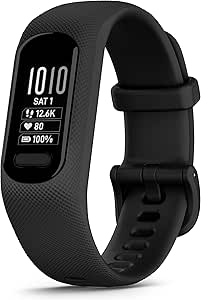 | Best for Garmin Health Tracking | Display: 0.84-inch OLED, 88 × 154 resolution | Battery life: Up to 7 days | GPS: Connected smartphone GPS | VIEW LATEST PRICE | See Our Full Breakdown |
| Google Fitbit Charge 6 Fitness Tracker, Porcelain/Silver |  | Best Feature-Rich Band | Display: 1.04-inch AMOLED, 276 × 185 pixels | GPS: Built-in | Battery life: Up to 7 days | VIEW LATEST PRICE | See Our Full Breakdown |
| Oura Ring 5 Smart Ring, Silver, Size 7 |  | Best Premium Ring for Health Insights | Material: Titanium | Size and color: Size 7, Silver | Battery life: 6–9 days | VIEW LATEST PRICE | See Our Full Breakdown |
| Google Fitbit Air Special Edition Stephen Curry Screenless Tracker, Rye | 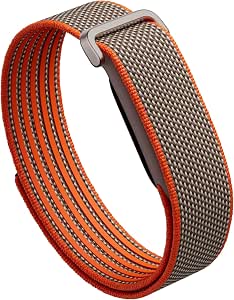 | Best Screenless Wrist Tracker | Display: None | Fit: One size, 130–210 mm | Band: Google Performance Loop Band | VIEW LATEST PRICE | See Our Full Breakdown |
| BIEMHA Smart Ring Health Tracker, Rose Gold, Size 8 |  | Best Subscription-Free Ring | Model: VR11 | Color and size: Rose Gold, Size 8 | Health tracking: Sleep, activity, and heart rate | VIEW LATEST PRICE | See Our Full Breakdown |
| wearable fitness tracker | Battery life | Water resistance | Compatibility | GPS |
|---|---|---|---|---|
| C60 Fitness Tracker with 1.10- | Up to 7 days; standby up to 15 days | IP68 | Android 5.0 or later; iOS 9.0 or later | Via connected smartphone |
| Garmin vívoactive 5 Health & F | Up to 11 days in smartwatch mode | — | — | Built-in |
| Google Fitbit Inspire 3 Fitnes | — | 50 meters; IP68 | iOS 16.4 or later; Android 11.0 or later | Via smartphone |
| Google Fitbit Charge 6 Fitness | — | 50 m depth listed | — | Built-in |
| Amazfit Helio Screenless Activ | Up to 10 days | 50 meters | Android 7.0 and above; iOS 15.0 and above | No GPS |
| Google Fitbit Air Screenless A | Up to 7 days | Up to 50 meters | Android 11.0 or higher; Apple iOS 16.4 or higher | Via smartphone |
| WHOOP 5.0 Activity Tracker wit | 14+ days | — | — | — |
| WHOOP 5.0/MG Activity Tracker | 14+ days | — | Apple Health, Google Health Connect, Natural Cycles, Withings, Peloton, and Strava | — |
| WHOOP 5.0 Activity Tracker wit | 14+ days | — | — | — |
| FITVII Screenless Fitness Trac | 3–5 days typical; approximately 1–3 days with frequent sports-mode use | IP68 | Android 7 or later; iOS 13.0 or later | Via smartphone |
| Garmin vívosmart 5 Health and | Up to 7 days | IPX7; water resistant to 1 meter | Smartphones | Connected smartphone GPS |
| Google Fitbit Charge 6 Fitness | Up to 7 days | Up to 50 meters | Android 11 or newer; iOS 16.4 or newer | Built-in |
| Oura Ring 5 Smart Ring | 6–9 days | IP68 | iOS and Android smartphones | — |
| Google Fitbit Air Special Edit | Up to 7 days | Up to 50 meters | Android 11.0 or higher; Apple iOS 16.4 or higher | Via smartphone |
| BIEMHA Smart Ring Health Track | 2–3 days; over 5 days with smart charging case | Up to 80 meters | iOS and Android | — |
More Details on Our Top Picks
C60 Fitness Tracker with 1.10-Inch AMOLED Screen
The C60 makes the most sense for someone who wants a clear screen and core daily metrics without stepping up to a more feature-heavy watch. It tracks heart rate, steps, sleep, and workouts, while 25 sports modes cover common activities. Its AMOLED touchscreen gives it a more watch-like feel than the screenless Amazfit Helio, but the Helio offers longer listed battery life and a training-oriented recovery focus.
The C60’s main limitation is its phone-dependent GPS: you’ll need your smartphone along to map outdoor routes. Its up-to-seven-day battery estimate is also shorter than the Garmin vívoactive 5’s, which adds built-in GPS and broader health tools. I’d choose the C60 for straightforward tracking and reminders, not for standalone route recording or advanced training analysis.
Pros:- AMOLED touchscreen makes activity and notifications easy to check at a glance
- Tracks heart rate, steps, calories, distance, exercise time, and sleep
- Includes 25 sports modes, smartphone notifications, and daily reminders
- Advertised battery life of up to 7 days
Cons:- GPS depends on a connected smartphone
- Fewer sports modes than the Fitbit Inspire 3 and Garmin vívoactive 5
- Health measurements are for reference and are not a substitute for medical advice
Best for: Walkers and casual exercisers who want an affordable-feeling, screen-based tracker with everyday health metrics and reminders.
Not ideal for: Runners who want to leave their phone behind for GPS, or buyers seeking advanced health insights and a broader smartwatch feature set.
- Display:1.10-inch AMOLED touchscreen
- Activity tracking:Heart rate, steps, calories, distance, and exercise time
- Sports modes:25
- Sleep tracking:Awake, light sleep, and deep sleep
- Water resistance:IP68
- GPS:Via connected smartphone
- Battery life:Up to 7 days; standby up to 15 days
- Compatibility:Android 5.0 or later; iOS 9.0 or later
- Color and shape:Pink; rectangular
Our verdict“Choose the C60 for basic, screen-based daily tracking, but pick the Garmin vívoactive 5 if you want built-in GPS and deeper health features.”
Garmin vívoactive 5 Health & Fitness GPS Smartwatch 42mm Black
The vívoactive 5 is the strongest fit here for buyers who want a fitness tracker that also works as a full-featured smartwatch. Unlike the Fitbit Inspire 3 and C60, it has built-in GPS, so outdoor workouts can be recorded without carrying a phone. Garmin also adds Body Battery energy monitoring, sleep coaching, HRV status, and more than 30 built-in sports apps, giving active users more context than basic step and sleep tracking.
Its up-to-11-day smartwatch-mode battery life is a useful advantage over the C60’s listed seven days, though GPS and music use can shorten runtime. Music storage, Garmin Pay, and notifications broaden its appeal, but also make it more watch-like and feature-dense than a simple band. I’d skip it if a slim, uncomplicated tracker is the priority.
Pros:- Built-in GPS records outdoor workouts without a phone
- AMOLED display with a listed resolution of 390 x
- Body Battery, sleep coaching, HRV status, and menstrual cycle tracking
- Music storage, Garmin Pay, and smart notifications
Cons:- GPS and music playback can reduce the listed battery life
- More smartwatch features may be unnecessary for buyers who only want basic activity tracking
- Larger watch-style form may be less discreet than the Fitbit Inspire 3
Best for: Active buyers who want built-in GPS, detailed wellness tracking, and smartwatch extras in one device.
Not ideal for: People who prefer a small, simple band or want battery life unaffected by frequent GPS and music use.
- Display:AMOLED; listed resolution 390 x
- Dimensions:1.7 x 1.7 x 0.43 inches
- Weight:1.31 ounces
- GPS:Built-in
- Battery life:Up to 11 days in smartwatch mode
- Health features:Body Battery, sleep coaching, HRV status, and menstrual cycle tracking
- Sports apps:More than 30, including wheelchair-specific activities
- Connectivity:Bluetooth, USB, and Wi-Fi
- Other features:Music storage, Garmin Pay, and smart notifications
Our verdict“Pick the vívoactive 5 if you want standalone GPS and a broad set of fitness and smartwatch tools, rather than a simpler tracker like the C60.”
Google Fitbit Inspire 3 Fitness and Health Tracker, Midnight Zen/Black, with Small and Large Bands
The Inspire 3 is a good entry point for buyers who want a compact band with more than step counting. It tracks heart rate, activity, sleep, stress, and blood oxygen, and its 40+ exercise modes give beginners plenty of activities to explore. Small and large bands are included, making fit easier to adjust than with a one-size-only setup. Compared with the C60, it offers more exercise modes and 50-meter water resistance, while the C60 has a larger AMOLED screen listed in its specs.
The tradeoff is that GPS still requires a nearby phone, unlike the built-in GPS in the Fitbit Charge 6 or Garmin vívoactive 5. Some Fitbit features also require a Premium membership, so the experience may be less complete without a subscription. I’d favor the Inspire 3 for simple, lightweight tracking, but not for phone-free route recording or maximum control over ongoing service costs.
Pros:- Tracks activity, heart rate, sleep, stress, and blood oxygen
- More than 40 exercise modes and automatic exercise tracking
- Water resistant to 50 meters
- Includes small and large silicone bands
Cons:- GPS requires a nearby smartphone
- Some features require a Fitbit Premium membership
- Does not offer the Charge 6’s built-in GPS or connected-service features
Best for: New fitness-tracker buyers who want a small band, broad everyday health tracking, and included sizing options.
Not ideal for: Outdoor exercisers who want phone-free GPS or buyers who want all available software features without a separate membership.
- Band material:Silicone
- Case material:Resin
- Water resistance:50 meters; IP68
- Connectivity:Bluetooth
- Compatibility:iOS 16.4 or later; Android 11.0 or later
- Exercise modes:More than 40
- GPS:Via smartphone
- Storage capacity:32 MB
- Included bands:Small and large silicone bands
Our verdict“Choose the Inspire 3 for an approachable, compact tracker with broad everyday metrics, but choose the Charge 6 for built-in GPS.”
Google Fitbit Charge 6 Fitness Tracker, Obsidian/Black
The Charge 6 is the clearest choice for buyers who want a tracker-style band with built-in GPS and practical Google-connected tools. Unlike the Inspire 3 and C60, it can record routes without relying on a nearby phone. It also tracks activity, heart rate, sleep, stress, and workout metrics, with 40+ exercise modes. Google Maps directions, Google Wallet, YouTube Music controls, and compatible exercise-machine connections give it a more connected feel than the simpler Inspire 3.
That wider feature set comes with dependencies: some functions rely on compatible equipment or services, and Google Health Premium is separate after its trial. The Garmin vívoactive 5 is a stronger alternative for buyers focused on extensive built-in sports and wellness tools, while the Charge 6 may suit those already using Google services. I’d choose it for GPS and convenience, not for a subscription-free experience.
Pros:- Built-in GPS and more than 40 exercise modes
- Tracks activity, heart rate, sleep, stress, and workout metrics
- Supports Google Maps directions, Google Wallet, and YouTube Music controls
- Can connect with compatible exercise machines
Cons:- Google Health Premium is sold separately after the trial
- Some features depend on compatible equipment or connected services
- Its connected features may be less useful to buyers outside the Google ecosystem
Best for: Google-service users who want a band with built-in GPS, workout tracking, and on-device access to connected features.
Not ideal for: Buyers who want every feature without a separate membership or who do not use compatible Google services or exercise equipment.
- GPS:Built-in
- Exercise modes:More than 40
- Health tracking:Activity, heart rate, sleep, stress, and workout metrics
- Sensors:Heart rate, SpO2, accelerometer, gyroscope, GPS, temperature, and ambient light
- Water resistance:50 m depth listed
- Connectivity:Wi-Fi and Bluetooth
- Band material:Silicone
- Supported features:Google Maps directions, Google Wallet, YouTube Music controls, and compatible exercise-machine connections
- Color:Black case with black band
Our verdict“Choose the Charge 6 for a GPS-equipped band with Google integrations, but consider the Garmin vívoactive 5 for a broader standalone fitness-watch experience.”
Amazfit Helio Screenless Activity Tracker
The Helio takes a different route from the display-led C60 and Fitbit Charge 6: it is a screenless tracker built around app-based monitoring. Heart rate, sleep, stress, steps, workouts, and recovery information are handled through the Zepp app, while 27 sports modes include strength and HYROX training. Its up-to-10-day battery estimate also exceeds the C60’s listed runtime, and the 50-meter water-resistance rating suits swimming and everyday wear.
This design works best for buyers who want to check progress on a phone rather than their wrist. The tradeoff is immediate: there is no screen and no GPS, so it cannot show workout details at a glance or record routes independently. The Garmin vívoactive 5 is a better fit for built-in GPS and on-device information; the Helio is more appealing if a low-distraction band and recovery-focused app matter more.
Pros:- Tracks heart rate, sleep, stress, steps, and recovery through the Zepp app
- Supports 27 modes, including strength and HYROX training
- Listed battery life of up to 10 days
- Water resistant to 50 meters and integrates with Amazfit smartwatches
Cons:- No built-in GPS
- Screenless design requires a phone to view tracking information
- Offers less at-a-glance feedback than the C60 or Fitbit Charge 6
Best for: Strength, HYROX, and recovery-focused exercisers who prefer app-based tracking and a screen-free wristband.
Not ideal for: Runners who need route tracking or anyone who wants workout stats and notifications visible on the tracker itself.
- Design:Screenless activity tracker
- Operating system:Zepp OS
- Sports modes:27
- Metrics:Heart rate, sleep duration, step count, and stress
- GPS:No GPS
- Battery life:Up to 10 days
- Water resistance:50 meters
- Compatibility:Android 7.0 and above; iOS 15.0 and above
- Band and closure:Nylon band; hook and loop closure
Our verdict“Choose the Helio if you want screen-free, app-based training and recovery tracking; choose the Charge 6 if you need built-in GPS and wrist-visible information.”
Google Fitbit Air Screenless Activity Tracker, Obsidian
The Fitbit Air is a strong fit for buyers who want routine activity and health tracking without a display on their wrist. Its lightweight, screenless design and micro-adjustable band are suited to continuous wear, including overnight, while heart-rate, blood-oxygen, and skin-temperature sensors add more context than a step-only band. Compared with the FITVII Screenless Fitness Tracker, it offers longer stated battery life and a five-minute fast-charge boost, but the FITVII includes two bands and does not require a subscription for core features. The Air lasts up to seven days and is water resistant to 50 meters, though GPS depends on a connected phone. Personalized coaching also sits behind a separately sold Google Health Premium subscription, so this is less appealing if you want guidance included or live workout stats on your wrist.
Pros:- Screenless, lightweight design suited to continuous and overnight wear
- Tracks heart rate, blood oxygen, and skin temperature alongside activity
- Up to seven days of battery life, with a quick-charge option
- Water resistance rated up to 50 meters
Cons:- GPS requires a connected smartphone
- Personalized coaching requires a separately sold subscription
- No display for checking workout or health data at a glance
Best for: People who want a lightweight tracker for all-day, sleep, and workout wear and are comfortable checking data on a compatible phone.
Not ideal for: Runners who want built-in GPS or anyone who wants an on-device screen, included personalized coaching, or tracker features without a separate coaching subscription.
- Operating system:Fitbit OS
- Band fit:One size, 130–210 mm
- Band material:Google Performance Loop Band
- Battery life:Up to 7 days
- Fast charging:5 minutes provides up to 1 day of battery life
- Water resistance:Up to 50 meters
- GPS:Via smartphone
- Compatibility:Android 11.0 or higher; Apple iOS 16.4 or higher
Our verdict“Choose the Fitbit Air if understated, extended-wear tracking matters more to you than on-wrist stats or built-in GPS.”
WHOOP 5.0 Activity Tracker with 12-Month Peak Membership
The WHOOP 5.0 with Peak membership is aimed at people who want to shape training around sleep, recovery, and strain data rather than glance at a watch face. It monitors heart rate, HRV, respiratory rate, sleep, recovery, and stress, then pairs those readings with personalized coaching in the app. Compared with the WHOOP 5.0 with 12-Month Membership, this package adds the Peak membership, SuperKnit band, and waterproof wireless PowerPack, making it the more complete option for buyers who value coaching and charging while wearing the tracker. Its 14-plus-day battery life also reduces charging interruptions. The tradeoff is a required 12-month membership, and the screenless design means data and guidance live in the app rather than on the wrist. Choose it for ongoing training analysis, not quick, display-based workout control.
Pros:- Tracks activity, sleep, recovery, stress, and multiple cardiovascular metrics
- Personalized coaching and health insights through the app
- 14-plus-day battery life with a wireless PowerPack for charging while worn
- Includes a SuperKnit band and 12-month Peak membership
Cons:- Requires a 12-month membership
- Screenless design keeps stats and coaching off the device
- Its extensive recovery tools may be more than casual activity trackers need
Best for: Committed exercisers who want ongoing sleep, recovery, and training guidance in an app and plan to use the membership throughout the year.
Not ideal for: People who want a screen for live workout stats, dislike recurring membership commitments, or mainly need basic step and activity tracking.
- Device:WHOOP 5.0
- Membership:12-month WHOOP Peak membership
- Battery life:14+ days
- Health tracking:Heart rate, resting heart rate, HRV, respiratory rate, blood oxygen, skin temperature, sleep, recovery, and stress
- Design:Screenless
- Included accessories:SuperKnit band and Waterproof Wireless PowerPack
- PowerPack water resistance:IP68, up to 10 meters for 2 hours
- App integrations:Apple Health, Google Health Connect, Natural Cycles, Withings, Peloton, Strava, and more
Our verdict“Pick this WHOOP package if recovery coaching and long-wear tracking justify a year-long membership for you.”
WHOOP 5.0/MG Activity Tracker with 12-Month WHOOP Life Membership
The WHOOP 5.0/MG takes the screenless WHOOP approach and adds an on-demand wrist ECG, giving health-focused buyers a capability the standard WHOOP 5.0 packages here do not list. Its sleep tracking also breaks out sleep stages, awake time, sleep need, debt, consistency, and efficiency, which can help people look beyond a single nightly score. Compared with the WHOOP 5.0 with Peak membership, this Life package is the more advanced health-monitoring choice, with a Luxe band and ECG; it also carries a 12-month Life membership. The cost in convenience is the same screenless, app-first format: readings are not available on a watch display, and ECG features do not turn it into a general-purpose smartwatch. Its membership requirement makes it a poor match for buyers who want simple tracking without a longer service commitment.
Pros:- Adds on-demand wrist ECG to continuous health tracking
- Detailed sleep-stage and sleep-need metrics
- 14-plus-day battery life with charging while worn
- Includes a SuperKnit Luxe band, wireless PowerPack, and 12-month Life membership
Cons:- Requires a 12-month WHOOP Life membership
- Screenless design means readings must be checked in the app
- Advanced health features may not justify the added complexity for basic activity tracking
Best for: Health-conscious WHOOP users who want on-demand wrist ECG, detailed sleep breakdowns, and app-based coaching in one package.
Not ideal for: Buyers who want a screen, built-in workout controls, or basic fitness tracking without a 12-month membership.
- Membership:12-month WHOOP Life membership
- Battery life:14+ days
- Included accessories:SuperKnit Luxe band and Waterproof Wireless PowerPack
- Health tracking:Heart rate, resting heart rate, HRV, respiratory rate, blood oxygen, and skin temperature
- Sleep tracking:REM, deep, and light sleep; awake time; sleep need, debt, consistency, and efficiency
- ECG:On-demand wrist ECG
- PowerPack water resistance:IP68, up to 10 meters for 2 hours
- Compatibility:Apple Health, Google Health Connect, Natural Cycles, Withings, Peloton, and Strava
Our verdict“Choose the WHOOP 5.0/MG if ECG and detailed sleep insights matter enough to commit to its app-first membership model.”
WHOOP 5.0 Activity Tracker with 12-Month Membership
This WHOOP 5.0 keeps the focus on 24/7 activity, sleep, strain, and recovery tracking, with app-based coaching and menstrual-cycle insights. Its CoreKnit performance band and Basic Charger make it a simpler package than the WHOOP 5.0 with Peak membership, which includes a SuperKnit band, wireless PowerPack, and a specified Peak membership. That narrower bundle may suit buyers who want the standard tracker experience without prioritizing those added accessories. WHOOP lists 14-plus-day battery life and metrics including HRV, VO2 Max, steps, and calories, but the device has no screen for checking them during a session. A 12-month membership is part of the deal, so this is not the most flexible choice for someone who wants to try a tracker without an ongoing commitment. It makes sense when continuous app-based analysis is the point.
Pros:- Continuous tracking covers activity, sleep, strain, and recovery
- Includes HRV and VO2 Max among its listed metrics
- 14-plus-day battery life
- Includes a CoreKnit performance band and Basic Charger
Cons:- Requires a 12-month membership
- No display for at-a-glance stats during workouts
- Basic Charger bundle is less accessory-rich than the Peak package
Best for: Fitness enthusiasts who want WHOOP’s core continuous strain, sleep, and recovery tracking and are willing to use its app and membership.
Not ideal for: Shoppers seeking a no-membership tracker, on-wrist workout readouts, or the included wireless PowerPack and Peak membership bundle.
- Membership:12 months
- Battery life:14+ days
- Monitoring:24/7
- Tracked metrics:Heart rate, HRV, respiratory rate, VO2 Max, resting heart rate, steps, calories, sleep, strain, and recovery
- Included accessories:CoreKnit performance band and Basic Charger
- Design:Screenless
Our verdict“Choose this version if you want WHOOP’s core tracking approach and do not need the Peak package’s listed accessories.”
FITVII Screenless Fitness Tracker
The FITVII Screenless Fitness Tracker is the straightforward pick for buyers who want app-based wellness data without a subscription requirement. It tracks heart rate, blood pressure, blood oxygen, HRV, sleep, steps, calories, distance, and stress, while two adjustable bands give buyers more fit options out of the box. Compared with the Fitbit Air, FITVII includes two straps and states that core features require no subscription; the Fitbit offers longer battery life and water resistance rated to 50 meters. FITVII’s typical three-to-five-day battery life is shorter, and frequent sports-mode use can reduce it to about one-to-three days. GPS also depends on a phone, and there is no screen for quick workout checks. Its IP68 rating adds water resistance, but this is best treated as a low-distraction daily tracker rather than a display-equipped sports watch.
Pros:- Core app features require no subscription
- Tracks activity, sleep, and a broad set of wellness metrics
- Includes two adjustable bands in different sizes
- IP68 water resistance
Cons:- Battery life can fall to about one to three days with frequent sports-mode use
- GPS requires a connected smartphone
- No display for viewing metrics on the wrist
Best for: Budget-conscious, phone-connected users who want broad wellness metrics, adjustable band options, and core tracking without a subscription.
Not ideal for: People who need long battery life during frequent sports tracking, built-in GPS, a screen for workout stats, or compatibility with a PC or tablet.
- Display:No display
- Water resistance:IP68
- Wrist fit:6.22–9.45 inches
- Included bands:Two adjustable straps, sizes S and L
- Compatibility:Android 7 or later; iOS 13.0 or later
- Battery life:3–5 days typical; approximately 1–3 days with frequent sports-mode use
- Tracked metrics:Heart rate, blood pressure, blood oxygen, HRV, sleep, steps, calories, distance, and stress
- GPS:Via smartphone
- Subscription:No subscription required
Our verdict“Pick FITVII if subscription-free app tracking and included band options matter more than longer battery life or on-device stats.”
Garmin vívosmart 5 Health and Fitness Tracker, Large, Black
The Garmin vívosmart 5 is a good fit for buyers who want a slim tracker focused on daily activity and health data rather than smartwatch extras. It follows sleep, heart rate, stress, and workouts, with activity profiles that include walking, running, yoga, and swimming. Its up-to-seven-day battery life means fewer charging interruptions, while the touchscreen and buttons offer two ways to navigate its compact display.
Compared with the Fitbit Charge 6, this Garmin lacks built-in GPS and requires a connected phone to record routes, so runners who leave their phone behind should look elsewhere. It also has a smaller, lower-resolution screen. In return, it offers useful health and activity coverage without making payments or music controls the focus. Water resistance supports swimming and showering, though Pulse Ox availability varies by country and the feature is not a medical measurement.
Pros:- Tracks activity, sleep, heart rate, stress, and other health metrics
- Built-in profiles cover activities including walking, running, yoga, and swimming
- Up to seven days of battery life
- Touchscreen and physical buttons provide two navigation options
Cons:- GPS tracking depends on a connected smartphone
- The 0.84-inch display is small and low resolution compared with the Fitbit Charge 6
- Pulse Ox availability varies by country and is not a medical measurement
Best for: Buyers who want Garmin activity, sleep, and stress tracking in a compact band and usually carry their phone during GPS workouts
Not ideal for: Phone-free runners or buyers who want built-in GPS, a large display, or smartwatch payment features
- Display:0.84-inch OLED, 88 × 154 resolution
- Battery life:Up to 7 days
- GPS:Connected smartphone GPS
- Water resistance:IPX7; water resistant to 1 meter
- Connectivity:Bluetooth
- Band:Silicone, large size
- Controls:Touchscreen and buttons
- Compatibility:Smartphones
Our verdict“Choose the vívosmart 5 if you want Garmin-focused health and activity tracking in a compact band and do not need onboard GPS.”
Google Fitbit Charge 6 Fitness Tracker, Porcelain/Silver
The Fitbit Charge 6 brings the broadest mix of everyday tracker functions in this group: activity, heart rate, sleep, stress, more than 40 exercise modes, and built-in GPS. That last feature separates it from the Garmin vívosmart 5 and Fitbit Air, both of which rely on a phone for GPS. You can record an outdoor route without carrying your phone, while the AMOLED display gives workout data and notifications more room than a screenless tracker can.
Google Maps directions, Wallet payments, YouTube Music controls, and compatible exercise-machine connections make it more versatile than a basic band. The tradeoff is a busier feature set and stricter phone requirements: it needs Android 11 or newer or iOS 16.4 or newer. Google Health Premium is sold separately after its trial, so buyers should check which services they want before relying on them. For a simpler, display-free option, the Fitbit Air is less screen-focused but gives up onboard GPS and visible readouts.
Pros:- Built-in GPS records routes without a connected phone
- More than 40 exercise modes plus activity, sleep, heart-rate, and stress tracking
- Google Maps directions and Google Wallet payments add practical wrist functions
- Up to seven days of battery life
Cons:- Requires Android 11 or newer or iOS 16.4 or newer
- Google Health Premium is sold separately after the trial
- Its many screen-based functions may be unnecessary for buyers seeking a simple, screenless tracker
Best for: Phone-compatible buyers who want built-in GPS, varied workout tracking, and useful Google services in one wrist-worn tracker
Not ideal for: People with older phones, or buyers who prefer a screenless band and want to avoid subscription-dependent services
- Display:1.04-inch AMOLED, 276 × 185 pixels
- GPS:Built-in
- Battery life:Up to 7 days
- Water resistance:Up to 50 meters
- Exercise modes:More than 40
- Features:Activity and multisport tracking, ECG, sleep monitoring, contactless payments
- Charging time:2 hours
- Compatibility:Android 11 or newer; iOS 16.4 or newer
- Color:Porcelain/Silver
Our verdict“Pick the Charge 6 if you want built-in GPS and a wide range of workout and Google features, provided your phone meets its compatibility requirements.”
Oura Ring 5 Smart Ring, Silver, Size 7
The Oura Ring 5 suits buyers who want health and sleep tracking without a wrist-worn screen or band. Its lightweight titanium construction and more than 50 health metrics put it closer to a discreet wellness tracker than a workout display. With six to nine days of stated battery life, it also lasts longer between charges than the BIEMHA Smart Ring, whose ring battery is listed at two to three days without its charging case.
This form factor comes with clear compromises. There is no display for checking workout stats at a glance, and the ring’s fit matters: Oura sizing differs from standard jewelry, so using a sizing kit before ordering is a sensible step. A membership is included for the first month, then costs $5.99 per month. The Fitbit Charge 6 is a better match for people who want an on-device screen, built-in GPS, and visible workout controls; Oura is for discreet, app-led tracking instead.
Pros:- Tracks more than 50 health metrics, including sleep, activity, heart rate, and stress
- Lightweight titanium design
- Six to nine days of battery life
- Compatible with iOS and Android
Cons:- No display for viewing metrics or workout information on the ring
- Requires careful sizing, and Oura sizing differs from standard jewelry
- Membership costs $5.99 per month after the first month
Best for: People who prioritize discreet sleep and health tracking, want a titanium ring, and are comfortable checking metrics in an app
Not ideal for: Buyers who want an on-device display, wrist-based workout controls, or health tracking without an ongoing membership
- Material:Titanium
- Size and color:Size 7, Silver
- Battery life:6–9 days
- Water resistance:IP68
- Metrics:Heart rate and 50+ health metrics
- Display:None
- Compatibility:iOS and Android smartphones
- Membership:First month included for new members; then $5.99/month
Our verdict“Choose the Oura Ring 5 if discreet, app-led health and sleep tracking matters more to you than a screen or subscription-free ownership.”
Google Fitbit Air Special Edition Stephen Curry Screenless Tracker, Rye
The Fitbit Air Special Edition is for people who want a wrist tracker that can stay on through workouts, daily routines, and sleep without a display demanding attention. It tracks heart rate, movement, skin temperature variation, and blood oxygen, and its water resistance up to 50 meters makes it a more swim-ready screenless choice than the Garmin vívosmart 5, which is rated IPX7. A five-minute charge can provide up to a day of battery life, useful when you remember to charge just before heading out.
Compared with the Fitbit Charge 6, the Air trades built-in GPS, an AMOLED screen, and visible workout details for a simpler, screen-free wrist format. GPS requires a connected smartphone, so it is less suited to phone-free runs. Buyers should also check the listed 49 g weight and one-size band range of 130–210 mm for their fit preferences. Google Health Premium is sold separately, adding a potential ongoing cost.
Pros:- Screenless design suits buyers who prefer fewer on-wrist distractions
- Water resistant up to 50 meters
- Up to seven days of battery life
- Five minutes of charging provides up to one day of battery life
Cons:- No display for viewing metrics or workout details on the device
- GPS requires a connected smartphone, unlike the Fitbit Charge 6
- Google Health Premium is sold separately
Best for: People who want a screenless wrist tracker for day-and-night wear, workouts, and swimming, and are happy to use their phone for GPS
Not ideal for: Runners who want onboard GPS or buyers who need a screen to check workout data and notifications on their wrist
- Display:None
- Fit:One size, 130–210 mm
- Band:Google Performance Loop Band
- Battery life:Up to 7 days
- Charging:5 minutes for up to 1 day of battery life
- Water resistance:Up to 50 meters
- GPS:Via smartphone
- Sensors:Optical heart rate monitor, 3-axis accelerometer, gyroscope, device temperature sensor, red and infrared SpO2 sensors
- Compatibility:Android 11.0 or higher; Apple iOS 16.4 or higher
Our verdict“Choose the Fitbit Air if you want a screenless, water-resistant wrist tracker and accept phone-dependent GPS and app-based access to data.”
BIEMHA Smart Ring Health Tracker, Rose Gold, Size 8
The BIEMHA Smart Ring is the budget-minded alternative for buyers who want ring-based tracking without an app subscription. It covers sleep, daily activity, and heart rate, with heart-rate measurements listed every 30 minutes. That is a more limited set of stated metrics than the Oura Ring 5, which tracks 50-plus health metrics, but BIEMHA’s no-subscription approach may suit people who want basic tracking without a recurring membership fee.
Its 80-meter water-resistance rating and compatibility with iOS and Android add flexibility, while the included smart charging case can extend use beyond five days. Without the case, the ring itself lasts only two to three days, so charging needs are more frequent than with Oura. There is no GPS, and careful sizing still matters; product information also lists no warranty. This is a simpler, less feature-rich pick, not a substitute for a wrist tracker with workout screens or route recording.
Pros:- No app subscription required
- Tracks sleep, daily activity, and heart rate
- Rated for water exposure up to 80 meters
- Smart charging case can extend use beyond five days
Cons:- Ring battery lasts only two to three days without the charging case
- Requires careful sizing before purchase
- Product information lists no warranty and no GPS
Best for: Buyers who prefer a ring over a wrist band, want basic sleep and heart-rate tracking, and do not want an app subscription
Not ideal for: People who need built-in GPS, extensive health metrics, longer standalone battery life, or clearly listed warranty coverage
- Model:VR11
- Color and size:Rose Gold, Size 8
- Health tracking:Sleep, activity, and heart rate
- Heart-rate interval:Every 30 minutes
- Battery life:2–3 days; over 5 days with smart charging case
- Water resistance:Up to 80 meters
- Connectivity:Bluetooth
- Compatibility:iOS and Android
- Subscription:Not required
Our verdict“Choose the BIEMHA ring if subscription-free basic tracking is your priority and you are comfortable charging it often and confirming the fit.”
How We Picked
I ranked these wearable fitness trackers by how well their design and features match everyday training and health-tracking needs, not by how many metrics a listing names. I weighed workout support, GPS and on-device feedback where available, comfort for all-day wear, display usefulness, and how easy it is to make sense of collected data. I also considered ongoing membership requirements, fit and sizing, and whether a product’s format makes it practical for the routine it targets.
The Garmin vívoactive 5 ranks first for buyers who want a versatile fitness smartwatch rather than a narrow activity band. The Fitbit Charge 6 and Inspire 3 follow as more compact screen-based choices, while screenless trackers and rings rank better for people who value a quieter, less watch-like form. The two Charge 6 finishes are treated as one model, and the WHOOP versions are separated by their membership bundles; a different finish or plan changes the buying decision, not necessarily the underlying tracker.
| wearable fitness tracker | GPS |
|---|---|
| C60 Fitness Tracker with 1.10- | Via connected smartphone |
| Garmin vívoactive 5 Health & F | Built-in |
| Google Fitbit Inspire 3 Fitnes | Via smartphone |
| Google Fitbit Charge 6 Fitness | Built-in |
| Amazfit Helio Screenless Activ | No GPS |
| Google Fitbit Air Screenless A | Via smartphone |
| WHOOP 5.0 Activity Tracker wit | — |
| WHOOP 5.0/MG Activity Tracker | — |
| WHOOP 5.0 Activity Tracker wit | — |
| FITVII Screenless Fitness Trac | Via smartphone |
| Garmin vívosmart 5 Health and | Connected smartphone GPS |
| Google Fitbit Charge 6 Fitness | Built-in |
| Oura Ring 5 Smart Ring | — |
| Google Fitbit Air Special Edit | Via smartphone |
| BIEMHA Smart Ring Health Track | — |
Factors to Consider When Choosing Wearable Fitness Trackers
Before choosing a tracker, I would start with how it needs to fit into your day—not with a list of health metrics. A watch, slim band, screenless wearable, and smart ring ask you to interact with your data in different ways. These differences affect workout use, comfort, charging habits, and whether you will keep wearing the device.
Choose the form factor you will actually wear
A screen makes it easier to check a workout or glance at activity without opening a phone, but a larger watch can feel intrusive during sleep or some activities. Slim bands reduce that wrist presence, while screenless trackers move more of the experience into an app. Rings keep a watch-free look, yet finger fit and comfort matter more because there is no strap adjustment. Think about your work, sleep, and exercise routine across a full day rather than judging the device only by how it looks in a product photo. If you already wear a watch, a ring or discreet band may cause less overlap. If you want live workout information, check that the format gives you enough feedback while you exercise.
Match GPS and workout feedback to your training
People who run, cycle, or train outdoors should check whether their preferred tracker has built-in GPS or relies on a connected phone. Phone-assisted GPS can be adequate if you always carry your phone, but it adds a step and makes phone-free workouts less convenient. A screen can also help with pace or session information while moving; an app-first tracker may be better for reviewing a workout afterward than directing it in the moment. For casual walks and general activity, advanced workout controls may add little practical value. Make a short list of the activities you do most often, then compare support for those rather than counting modes. This avoids paying attention to broad feature claims that do not improve your own routine.
Check what ongoing access requires
Some wearables connect core tracking with a paid membership or a bundled subscription period, so separate the hardware from the service before choosing. Check which insights remain available if a membership ends and whether the plan renews automatically. A bundle that includes a membership can still be a poor fit if its features do not match how you use data. Compare the ongoing commitment with the tracking experience you expect, rather than treating the included term as a permanent feature. Also look at how the app presents trends: a large volume of measurements is not helpful if you cannot interpret them. Buyers who prefer simple activity summaries may be happier with a less service-dependent device.
Treat ring sizing as part of the purchase
A smart ring depends on a close, comfortable fit for consistent wear, and the right size may feel different from a fashion ring. Consider how your fingers change with temperature, activity, or time of day, and check the maker’s sizing instructions before selecting a size. A ring that feels fine for a short try-on may become distracting during sleep or exercise. Rings also do not offer the same on-wrist screen access as a watch, so they suit people comfortable checking an app. Do not choose one solely because it looks less like a fitness device; daily comfort matters more than appearance. If sizing feels uncertain, a band with adjustable fit may be the safer format.
Plan for charging and everyday maintenance
Charging interruptions can leave gaps in activity or sleep records, so consider when and how often you are willing to take a wearable off. Smaller designs can be comfortable, but compact size alone does not tell you how long a device runs between charges. Check the maker’s battery guidance alongside screen use, GPS habits, and sensor settings, since those can affect runtime. Also think about cleaning: a band worn through workouts may need regular washing, while a ring requires attention to skin contact and fit. A wearable that is easy to charge and maintain is more likely to stay in your routine. Favor a schedule you can realistically keep over a claimed runtime that assumes lighter use.
Pay for features that change your decisions
Higher feature counts do not automatically make a tracker a better buy. Built-in GPS, a larger display, advanced training tools, or membership-based analysis are useful when they change how you plan or review exercise. If you mainly want daily movement reminders and basic health trends, a simpler band may cover your needs without extra complexity. Before upgrading, identify one or two moments when the more advanced feature would help—such as leaving your phone behind on a run or reviewing recovery patterns. Check whether the app and phone ecosystem support the way you want to use the data. This keeps the decision tied to real habits rather than speculative future use.
Frequently Asked Questions
Should I choose the Garmin vívoactive 5 or Fitbit Charge 6 for workouts?
I would favor the Garmin vívoactive 5 if you want a fuller smartwatch experience and built-in GPS for outdoor training. The Fitbit Charge 6 is the more compact choice if you want a band-style tracker with a screen and do not need as watch-like a design. Think about how often you exercise without your phone and whether you want workout information on a larger display. Both can support regular fitness tracking, but they suit different preferences for size and interaction. Choose by how you train, not by assuming one format is automatically more accurate or capable for every activity.
Are the two Fitbit Charge 6 listings different trackers?
The Obsidian/Black and Porcelain/Silver listings identify different finishes of the Fitbit Charge 6, not two distinct tracker models. If the product details match, your decision can come down to the color you prefer and the bands or accessories you plan to use. Compare the listing carefully for included band sizes and package contents, since those can affect fit. Do not pick one expecting a different feature set based only on the color name. This roundup treats them as one device with two finish options.
Is a screenless fitness tracker a good choice if I want workout feedback?
A screenless tracker can suit you if you mainly want to collect activity or health data and review it later in an app. It is less convenient when you want to see workout information at a glance, control a session from your wrist, or check progress without your phone. Before choosing one, confirm what the companion app displays and whether the device supports the activities you do. A screen-based option such as the Fitbit Charge 6 or Garmin vívoactive 5 may be a better match for live feedback. The right choice depends on whether you value a low-profile design more than immediate access to data.
What should I check before buying a WHOOP tracker with a membership?
Check which membership is included, how long it lasts, what happens when it ends, and whether the plan renews under terms you accept. The WHOOP listings in this roundup pair the tracker with different membership options, so do not assume the bundles provide the same service. Consider whether you will use the membership’s data and coaching features often enough to make an ongoing commitment worthwhile. Also confirm what tracking remains available without an active plan. If you want a device that works mainly as a standalone screen-based tracker, compare it with the Fitbit or Garmin options before deciding.
Should I buy a smart ring or a wrist tracker for all-day health tracking?
A smart ring is a good fit if you prefer a watch-free look and are comfortable checking a phone app rather than a wrist display. A wrist tracker is easier to glance at during the day and may be more convenient for workout controls or live exercise information. Ring sizing and comfort deserve particular care because a poor fit can make continuous wear unpleasant. Wrist bands also require a comfortable strap and may feel more noticeable during sleep or certain activities. Choose the form you can wear consistently; regular use matters more than a discreet design on its own.
Conclusion
For most people who want one device for workouts and everyday activity, my best overall pick is the Garmin vívoactive 5. The best value-style choice is the Fitbit Inspire 3 for buyers who want straightforward tracking in a screen-based band, while the best premium direction is the WHOOP 5.0/MG bundle for someone who specifically wants its higher-tier membership and is comfortable with an ongoing service. For beginners, I would start with the Fitbit Inspire 3 rather than a membership-heavy or more specialized wearable. Choose the Fitbit Charge 6 for a compact screen and the Oura Ring 5 if a ring form matters more than wrist access. If you prefer no screen, compare the Fitbit Air and Amazfit Helio with the WHOOP options, paying close attention to membership terms before choosing.
Halloween Picks

Gemmy 6-Foot Leatherface Animatronic Halloween Decoration

Max Fun 10-Foot Halloween Dragon and Pumpkin Inflatable Archway with LED Lights

Haunted Hill Farm 4.6-Ft. Spinning Beatrix Halloween Animatronic
As an affiliate, we earn on qualifying purchases.