
TL;DR

Get the latest gadgets delivered free with Prime
- Fast, free delivery on millions of items
- Prime Video, Amazon Music and more included
- Member-only deals all year
A recent report confirms that 4chan users, known as ‘wizards,’ create deepfake nude images of women upon request, often for misogynistic purposes. These images are shared across platforms, raising concerns about abuse and online misogyny.
A new report confirms that members of 4chan’s /r/ board are creating nonconsensual deepfake images of women upon request, with these images often shared across private messaging platforms. This activity exemplifies ongoing misogyny and abuse facilitated by online communities, raising concerns about digital exploitation and harassment.
The Institute for Strategic Dialogue’s research, led by Leonie Oehmig, analyzed thousands of posts from December 2025 through early March 2026. It found that 4chan users, referred to as ‘wizards,’ are requested to create deepfake images depicting women in explicit or humiliating scenarios. These requests often involve images sourced from victims’ social media accounts or publicly available photos.
Postings reveal a hierarchical dynamic in which men with the skills to produce these images are praised and called ‘masters,’ while others seek to test their abilities. Many requests include detailed descriptions of desired scenarios, such as nudity, BDSM themes, or degrading contexts. The activity is often tied to misogynistic and abusive motivations, with some users explicitly seeking to humiliate or harm women.
Why It Matters
This activity underscores the persistence of misogyny and digital abuse, with deepfake nonconsensual images serving as a tool for harassment, humiliation, and potential real-world harm. The dissemination of these images across private platforms like Telegram and Discord amplifies the threat, as victims may be unaware of their images being manipulated or shared without consent.
The research highlights the normalization of such abuse within certain online communities, reflecting broader issues of online misogyny, power dynamics, and the potential for these images to be used for coercion or blackmail. The activity also raises legal and ethical concerns about privacy, consent, and digital manipulation.
Products Worth Considering

Logitech MX Brio Ultra HD 4K Webcam, Graphite

LG UltraGear 27-Inch QHD OLED Gaming Monitor, 240Hz, 0.03ms, G-SYNC Compatible, FreeSync Premium Pro, HDMI 2.1

DJI Osmo Pocket 3 Vlogging Camera with 1-Inch CMOS Sensor and 4K Video
As an affiliate, we earn on qualifying purchases.
Background
Deepfake and nonconsensual intimate image (NCII) abuse have been growing issues, with high-profile cases like actress Collien Fernandes in Germany bringing public attention. The activity on 4chan’s /r/ board, documented by Oehmig, fits into a pattern of online misogyny and exploitation that has persisted over recent years. The term ‘wizard’ is linked to incel culture, where it describes men who can manipulate images or videos, often in a sexualized or humiliating manner.
Research indicates that these activities are not isolated incidents but part of a broader ecosystem involving private messaging groups and social media platforms. The activity often involves requests for specific scenarios, including those that are degrading or violent, reflecting a disturbing culture of control and domination.
“These posts reveal a power structure where men without the skills to create deepfakes worship those who can, often driven by a desire for dominance and control.”
— Leonie Oehmig, researcher
“The normalization of creating and sharing nonconsensual deepfake images is a serious threat to victims’ privacy and safety, fueling online harassment and abuse.”
— Oehmig, on the social impact
What Remains Unclear
While the research confirms the existence of these activities and their dissemination patterns, it remains unclear how widespread their actual use is beyond the documented cases. The extent of legal action or platform moderation efforts to combat this activity is also still developing.
What’s Next
Authorities and platform providers are expected to increase efforts to detect and remove nonconsensual deepfake images. Further research may explore legal frameworks and technological solutions to combat this form of abuse. Public awareness campaigns could also target online communities to reduce the normalization of such behavior.
Key Questions
What is a ‘wizard’ in this context?
A ‘wizard’ is a term used on 4chan for someone skilled at manipulating images, often creating deepfake nude or humiliating images of women upon request.
How are these images created and shared?
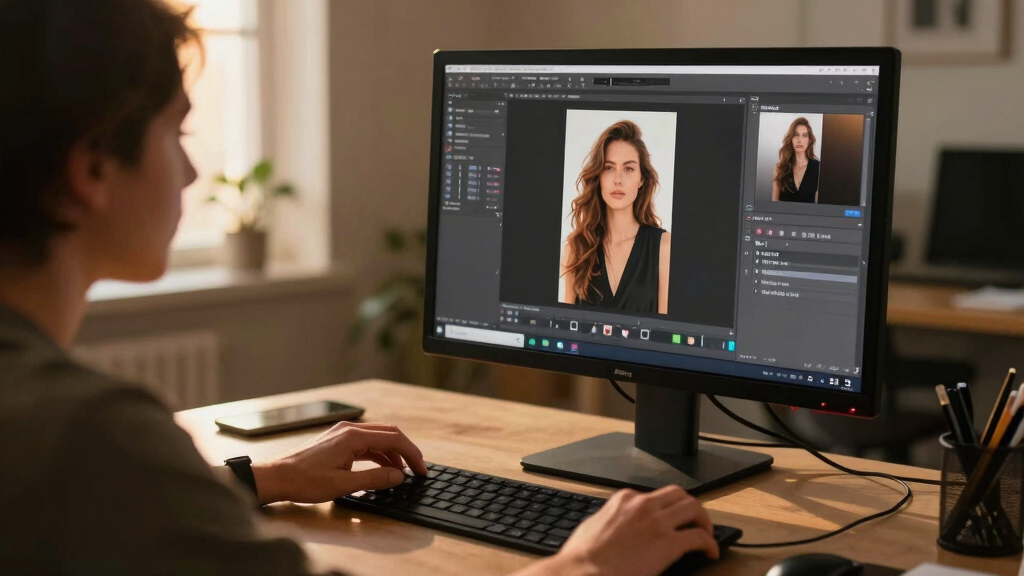
Requests are made on platforms like 4chan, where users supply images or links, and ‘wizards’ use AI or editing tools to produce deepfake images. These are then shared across private messaging apps like Telegram and Discord.
Are victims aware of these images being made?
In many cases, victims are unaware until the images are circulated or used maliciously. Some requests involve images sourced from victims’ social media accounts without their consent.
What legal actions are being taken against this activity?
Legal responses are still evolving. Some jurisdictions are considering or implementing laws against nonconsensual deepfake images and digital harassment, but enforcement remains challenging.
Source: WIRED · Culture