TL;DR

Get the latest gadgets delivered free with Prime
- Fast, free delivery on millions of items
- Prime Video, Amazon Music and more included
- Member-only deals all year
In 2026, a range of AI-compatible camera lenses are recommended for diverse photography situations. The Sony FE 24-70mm F/2.8 GM II leads for versatility, while other options suit specific needs like wildlife or travel.
Multiple camera lens manufacturers have introduced new models optimized for AI integration, offering photographers versatile options for 2026. The Sony FE 24-70mm F/2.8 GM II is highlighted as the top overall choice, combining a broad focal range with advanced optical and AI features, making it suitable for most situations.
Leading the list is the Sony FE 24-70mm F/2.8 GM II, praised for its balance of image quality, manageable weight, and AI-enhanced autofocus capabilities. It is designed to serve professional photographers and serious enthusiasts across diverse scenarios, from portraits to landscapes.
The Canon RF 24-105mm f/4L IS USM is recommended for travel and everyday use, offering a wider zoom range with AI-assisted stabilization, though with a narrower aperture. Meanwhile, the Canon RF 28-70mm F/2L USM provides superior low-light performance but is more expensive and heavier, making it a niche choice.
The Canon EF 50mm f/1.8 STM remains a value option for DSLR users, especially those seeking a prime lens with AI-driven autofocus. For wildlife and outdoor sports, the Canon RF100-400mm F/5.6-8 IS USM stands out for its reach, despite slower aperture and reliance on AI stabilization.
The 6 picks
- 1
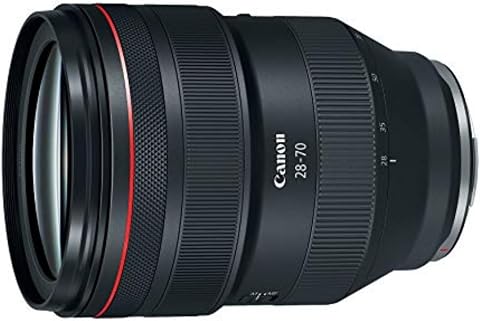 Canon RF28-70mm F2 L USM Lens, Zoom Lens for EOS R Series, BlackView on Amazon →
- 2
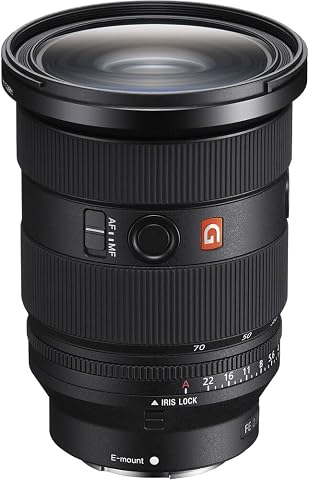 Sony FE 24-70mm F/2.8 GM II Full Frame E-Mount Standard Zoom LensView on Amazon →
- 3
 Canon RF 24-70mm F2.8L IS USM Lens for Canon EOS R Series Mirrorless CamerasView on Amazon →
- 4
 Canon RF 24-105mm f/4L IS USM Zoom Lens for EOS R SeriesView on Amazon →
- 5
 Canon RF100-400mm F5.6-8 IS USM Telephoto Lens for EOS R Series CamerasView on Amazon →
- 6
 Canon EF 50mm f/1.8 STM Lens for Canon EOS DSLR CamerasView on Amazon →
Implications of AI-Enhanced Lenses for Photographers in 2026
The adoption of AI features in camera lenses signifies a shift toward smarter, more adaptive photography tools. These lenses promise improved autofocus accuracy, better low-light performance, and enhanced subject tracking, which can elevate image quality and efficiency for professionals and hobbyists alike.
By offering tailored options for different scenarios—such as wildlife, travel, portraits, and landscapes—these AI-compatible lenses are set to streamline workflows and expand creative possibilities in 2026 and beyond. However, compatibility and cost remain considerations for buyers.
Market Trends Driving AI Camera Lens Development
Over the past few years, camera manufacturers have integrated AI into their lenses and camera bodies to improve autofocus, subject recognition, and image stabilization. In 2026, this trend has accelerated with new models featuring AI-driven algorithms designed for real-time scene analysis and adaptive adjustments.
The Sony FE 24-70mm F/2.8 GM II and Canon RF series are among the first to fully leverage AI for improved performance, reflecting a broader industry move toward intelligent imaging tools. These developments follow the rise of AI in smartphone photography and mirrorless camera markets, emphasizing user-friendly, high-quality results.
“The integration of AI into lenses is transforming how photographers capture images, making autofocus faster and more accurate than ever before.”
— Thorsten Meyer, AI camera expert
Remaining Questions About AI Lens Compatibility and Performance
While many new AI-enabled lenses are available, it is still unclear how universally compatible they are across different camera brands and models. Long-term durability and software updates for AI features are also still under observation, with some experts questioning how well these lenses will perform in demanding conditions over time.
Additionally, the cost of AI-capable lenses remains high, potentially limiting access for amateur photographers. The full extent of AI integration’s benefits in real-world shooting scenarios is still being evaluated.
Upcoming Developments and Market Releases in 2026
Manufacturers are expected to release more AI-enhanced lenses throughout 2026, with improvements in autofocus speed, scene recognition, and stabilization. Firmware updates are also anticipated to expand AI capabilities in existing models. Industry analysts predict that AI integration will become a standard feature in high-end lenses, with more affordable options emerging later in the year.
Photographers should monitor upcoming product announcements and firmware updates to maximize the benefits of AI in their gear.
Key Questions
What are the main benefits of AI-enabled camera lenses?
AI-enabled lenses offer faster autofocus, improved subject tracking, better low-light performance, and adaptive stabilization, enhancing overall image quality and shooting efficiency.
Are AI camera lenses compatible with all camera brands?
Compatibility depends on the lens mount and camera system. Many new AI lenses are designed for specific mounts like Sony E-mount or Canon RF, with adapters available for some older or different systems.
Will AI features in lenses require frequent updates?
Yes, firmware updates are often necessary to improve AI capabilities, fix bugs, and expand functionalities. Manufacturers typically provide updates via software downloads.
Are AI camera lenses more expensive than traditional lenses?
Generally, yes. AI features add to manufacturing costs, making these lenses more expensive, though prices vary depending on brand and specifications.
What should I consider when choosing an AI-compatible lens?
Consider your camera mount, typical shooting scenarios, focal length needs, aperture size, stabilization features, and budget to select the most suitable lens.
Source: ThorstenMeyerAI.com
Halloween Picks
halloween
As an affiliate, we earn on qualifying purchases.