
TL;DR

Get the latest gadgets delivered free — and shop member deals
- Fast, free delivery on millions of items
- Access to Prime Big Deal Days deals on October 6–7
- Prime Video, Amazon Music and more included
A new webcam-based monitoring system is being piloted to help remote knowledge workers reduce eye strain by tracking blink rate and encouraging breaks. The system operates on-device, ensuring privacy and real-time feedback. Its effectiveness will be tested over a two-week pilot with small remote teams.
A new webcam-based monitoring system designed to reduce screen-related eye strain is set to undergo pilot testing with remote workers. The system tracks blink rate and prompts users to take regular breaks, aiming to address common issues like dry eyes and headaches caused by prolonged screen time. This development responds to increased remote work and the need for accessible, objective eye health tools.
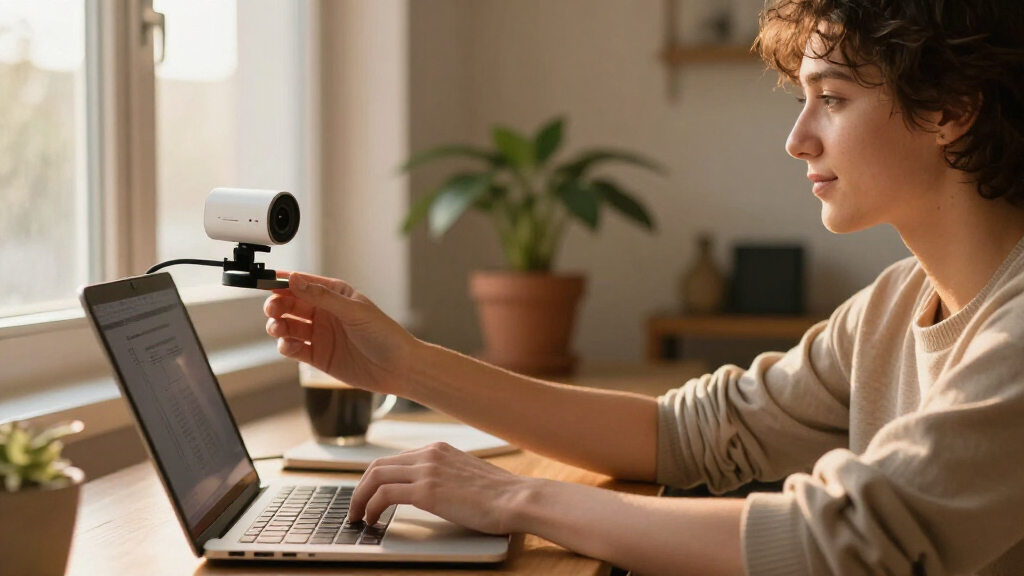
The system utilizes on-device computer vision to estimate blink rate and screen distance without transmitting video data externally, preserving user privacy. It is targeted at remote knowledge workers who spend more than eight hours daily on laptops. The proposed application logs daily eye comfort scores and nudges users to follow the 20-20-20 rule—looking 20 feet away for 20 seconds—when blink rates drop below healthy levels.
According to sources, the initial phase involves a two-week pilot with twenty remote workers, who will use the app and report on eye comfort and break adherence. The goal is to determine whether real-time, objective feedback improves eye health and reduces symptoms such as dryness, fatigue, and headaches. The product will be offered via a per-seat subscription model aimed at individuals and small teams.
Potential Impact on Remote Work Eye Health
This development could provide a practical, scalable solution for reducing digital eye strain among remote workers, a group increasingly affected by prolonged screen exposure. By offering an objective measure of blink rate and automated break prompts, it may improve eye comfort and productivity, reducing health-related absences and discomfort. The privacy-preserving on-device approach addresses concerns about video data transmission, making it more acceptable for widespread use.
As an affiliate, we earn on qualifying purchases.
Rising Remote Work and Eye Strain Solutions
The shift toward remote and hybrid work models has significantly increased daily screen time for many employees, leading to a surge in digital eye strain symptoms. Traditional advice, such as the 20-20-20 rule, relies on self-monitoring, which many users find difficult to adhere to consistently. Recent advances in on-device computer vision enable real-time monitoring of blink rate without compromising privacy, creating new opportunities for automated health interventions. Pilot programs testing similar approaches have shown promising preliminary results, but large-scale validation is still underway.
“Using on-device computer vision to monitor blink rate can provide immediate, objective feedback to users, potentially reducing eye strain symptoms.”
— an anonymous researcher
As an affiliate, we earn on qualifying purchases.
Uncertainties Around Effectiveness and Adoption
It is not yet confirmed how effective the system will be in improving eye comfort or whether users will consistently follow break prompts. The pilot program is still in the early stages, and results from the two-week trial are pending. Additionally, user acceptance and privacy concerns may influence adoption rates, and long-term impacts remain untested.
break reminder software for eye health
As an affiliate, we earn on qualifying purchases.
As an affiliate, we earn on qualifying purchases.
Next Steps for Validation and Deployment
The upcoming pilot will assess whether the system improves self-reported eye comfort and break adherence. If successful, the developers plan to refine the app based on user feedback and expand testing to larger remote teams. A broader rollout could follow within the next year, alongside further research into long-term health benefits and integration with existing workplace wellness programs.
privacy-focused eye monitoring webcam
As an affiliate, we earn on qualifying purchases.
As an affiliate, we earn on qualifying purchases.
Key Questions
How does the webcam-based system work?
The system uses on-device computer vision to estimate blink rate and screen distance, then prompts users to take breaks when blinking drops below healthy levels, all without transmitting video data externally.
Is this system safe for privacy?
Yes, it operates entirely on the user’s device, ensuring that video data is not sent or stored elsewhere, addressing privacy concerns associated with video monitoring.
When will the system be available for general use?
The pilot testing is scheduled for the upcoming months. If results are positive, a wider release could occur within the next year.
Can this system replace traditional eye care advice?
It is designed as a supplement to existing advice, providing objective, real-time feedback to help users adhere to recommended break routines.
Will this technology work with all webcams?
The system requires webcams capable of supporting on-device computer vision algorithms; compatibility details are still being finalized.
Source: IdeaNavigator AI
Fall Picks
fall essentials
As an affiliate, we earn on qualifying purchases.