📊 Full opportunity report: Benefit Check Bots And Their Impact On Social-Determinants-of-Health Initiatives on IdeaNavigator AI — validation score, market gap, and execution plan.
Listen free for 30 days with Audible
Thousands of audiobooks and originals — cancel anytime.
Start your free trialAs an affiliate, we earn on qualifying purchases.
TL;DR
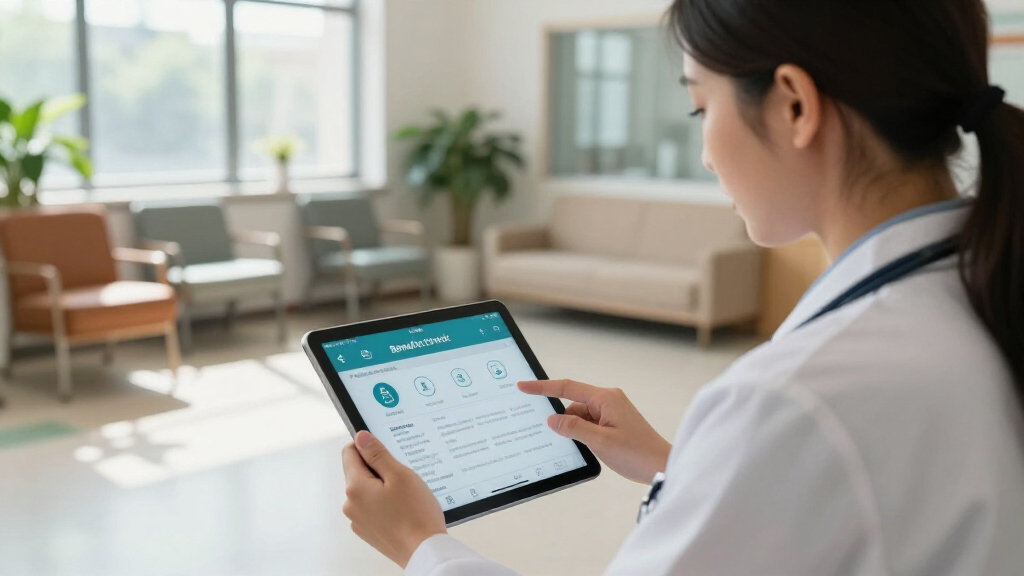
Benefit check bots are emerging as a tool to improve access to public benefits for low-income families. They automate eligibility screening, potentially reducing time and increasing accuracy. The initiative responds to gaps left by recent policy shifts and the shutdown of longstanding nonprofits.
The launch of a new AI-driven benefit check bot aims to streamline eligibility screening for public benefits among low-income clients, addressing a significant gap in access created by the recent shutdown of a major benefits enrollment nonprofit and ongoing policy shifts. This technology could transform how healthcare systems, clinics, and community nonprofits identify and enroll eligible families, potentially unlocking over $100 billion in unclaimed benefits annually.
The benefit check bot is a white-label, conversational AI tool designed to be embedded on websites or used via SMS by clinics, benefits navigators, and community organizations. It asks a series of yes/no and multiple-choice questions to determine likely eligibility for programs such as SNAP, Medicaid, EITC/CTC, WIC, and LIHEAP, providing estimated benefit amounts and next steps for application. The initiative is a response to the fragmentation of federal, state, and local programs, which makes manual screening time-consuming and prone to errors.
Developed amid the aftermath of the shutdown of Benefits Data Trust, a nonprofit that for 20 years provided benefits screening across seven states, the bot aims to fill a capacity gap in outsourced benefits access. The recent surge in Medicaid redeterminations post-pandemic has further increased the demand for efficient eligibility checks. The AI-powered tool leverages conversational interfaces to deliver multilingual, near-zero marginal cost screening, making it feasible for health systems and social services to scale outreach and enrollment efforts.
Initial pilots will involve 5-10 benefits navigators at Federally Qualified Health Centers (FQHCs) and community nonprofits in two states, testing over 100 client intakes. Key metrics include reduction in screening time, increase in identified eligible clients, and accuracy compared to manual assessments. Revenue models include per-screening subscriptions, API licensing, and outcome-based contracts with Medicaid managed care organizations, aiming to improve enrollment retention and reduce administrative burdens.
Potential Impact on Public Benefits Access
This initiative could significantly improve access to public benefits for low-income families, helping to recover over $100 billion in unclaimed benefits annually. By automating eligibility screening, the benefit check bot reduces the workload for frontline workers, speeds up enrollment processes, and minimizes errors. This could lead to higher participation rates in programs like SNAP and Medicaid, which are critical for health and economic stability. Additionally, the technology aligns with broader efforts to incorporate social determinants of health (SDOH) into healthcare, recognizing that social needs directly influence health outcomes.
For healthcare providers and social service organizations, the tool offers a scalable, cost-effective way to identify and assist clients who may not be aware of benefits they qualify for. Policymakers and payers could see improved health outcomes and reduced healthcare costs through better social support integration. However, questions remain about long-term effectiveness, data privacy, and how well the AI can adapt to complex eligibility criteria across different jurisdictions.
As an affiliate, we earn on qualifying purchases.
Background on Benefits Access Challenges
Over the past decade, millions of low-income families have failed to claim benefits they qualify for due to complex eligibility rules, lengthy application processes, and limited staffing at benefit agencies. The shutdown of Benefits Data Trust in 2024, a nonprofit that provided outsourced benefits screening across seven states, has left a significant gap in capacity for benefits enrollment and outreach. At the same time, the post-pandemic Medicaid ‘unwinding’ process has created a surge in redeterminations, straining existing systems and increasing the need for efficient eligibility checks.
Traditional manual screening by caseworkers is time-consuming, often taking hours per client, and may result in missed opportunities for benefits. The advent of conversational AI offers a new approach, enabling rapid, multilingual, and scalable screening processes that can be integrated into existing health and social service workflows. Pilot programs testing these bots are now underway to evaluate their potential to improve outcomes and reduce administrative costs.
Market interest is strong among health systems, community clinics, and state agencies seeking innovative solutions to social determinants of health. The technology’s success could accelerate broader adoption of AI tools in social care, complementing existing digital health initiatives and policy efforts aimed at reducing health disparities.
As an affiliate, we earn on qualifying purchases.
Unanswered Questions About Long-Term Efficacy
It remains unclear how effectively the benefit check bot will perform across diverse jurisdictions with varying eligibility rules and documentation requirements. Long-term data on accuracy, client engagement, and impact on benefit uptake are still being collected through pilot programs. Privacy concerns and data security measures are also under review, especially given the sensitive nature of health and financial information involved.
Additionally, questions about integration with existing health IT systems and the scalability of the solution for larger populations are still being addressed by developers and pilot sites. The extent to which the AI can adapt to complex, evolving policy environments remains an open question.
social determinants of health tools
As an affiliate, we earn on qualifying purchases.
As an affiliate, we earn on qualifying purchases.
Next Steps for Pilot Evaluation and Adoption
In the coming weeks, pilot programs will gather data on screening accuracy, time savings, and client outcomes. If successful, the developers plan to expand to additional states and organizations, scaling the technology for broader deployment. Stakeholders will also evaluate regulatory and privacy considerations, alongside potential reimbursement models for the service. Policymakers and health systems will monitor pilot results to determine whether this AI tool can become a standard component of social risk screening workflows.
Further research will focus on long-term impacts, including whether the technology improves enrollment retention and health outcomes, and how it can be integrated with other digital health and social care platforms.
public benefits eligibility software
As an affiliate, we earn on qualifying purchases.
As an affiliate, we earn on qualifying purchases.
Key Questions
How does the benefit check bot determine eligibility?
The bot asks a series of yes/no and multiple-choice questions tailored to specific program rules, then estimates benefit amounts and next steps based on the responses, covering programs like SNAP, Medicaid, and LIHEAP.
Who can use this benefit check bot?
It is designed for healthcare providers, clinics, community nonprofits, and state agencies that serve low-income populations, with options for embedding on websites or using via SMS.
What are the main benefits of using the AI screening tool?
The tool aims to reduce screening time, increase the identification of eligible clients, and streamline the enrollment process, potentially unlocking billions in unclaimed benefits annually.
Are there privacy concerns with the benefit check bot?
Privacy and data security are under review, with pilot programs closely monitoring compliance with regulations to protect sensitive client information.
When will the pilot programs produce results?
Initial results from pilot tests are expected within the next 4-6 weeks, informing potential broader deployment and integration strategies.
Source: IdeaNavigator AI
Flea & tick season Picks
flea and tick prevention
As an affiliate, we earn on qualifying purchases.