
🔍 Read the full analysis: The AI-Driven Approach To Plumbing & HVAC Coordination Success on ThorstenMeyerAI.com

Get the latest gadgets delivered free with Prime
- Fast, free delivery on millions of items
- Prime Video, Amazon Music and more included
- Member-only deals all year
TL;DR
A new AI-powered platform, Gewerkton, has demonstrated significant improvements in plumbing and HVAC coordination for construction projects. Confirmed results show fewer uncoordinated breakthroughs and faster leak detection, reducing costs and delays. The development marks a key advance in digital construction management.
Gewerkton’s AI-driven platform has demonstrated measurable improvements in plumbing and HVAC coordination, significantly reducing unplanned breakthroughs and project delays. For more details, see the original analysis on Gewerkton’s coordination innovations. Developed by Thorsten Meyer AI, the system integrates digital documentation, AI analysis, and structured workflows to optimize building services management. This technological advancement offers a new standard for construction firms aiming to minimize costly errors and streamline workflows in complex building projects.
The Gewerkton platform, which integrates field data, studio planning, cloud-based operations, and archive management, has been tested in real-world projects involving residential and healthcare buildings. According to Thorsten Meyer, the platform’s AI component enables precise alignment of shafts and routes, preventing typical issues like uncoordinated breakthroughs and misaligned installations. This development is further explained in the original analysis. In one case study, uncoordinated breakthroughs per project dropped from over 40 to fewer than 5, translating into substantial time and cost savings.
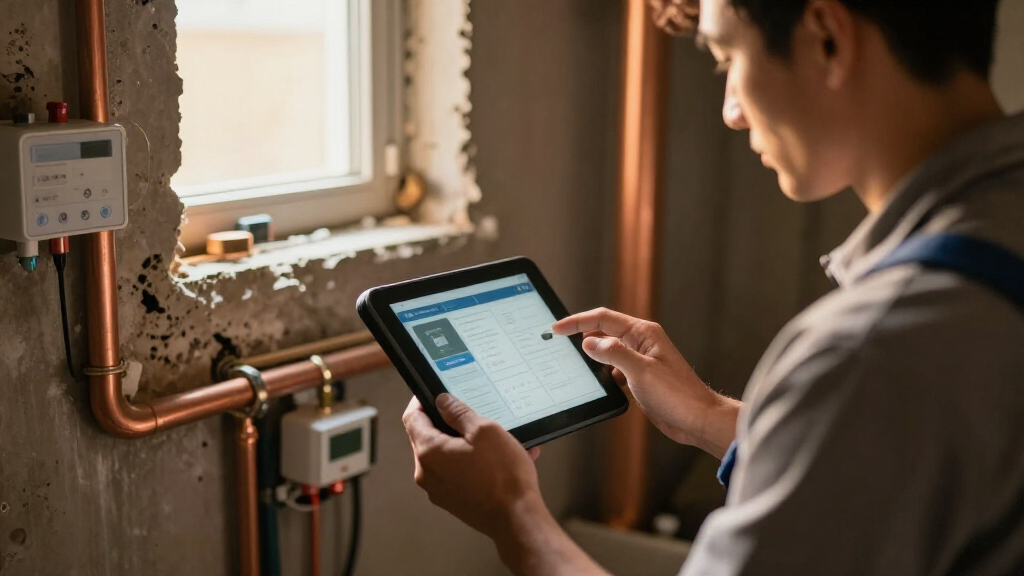
Furthermore, the platform’s photo-based wall documentation system allows for accurate leak localization, reducing the process from two days to just 20 minutes. The structured equipment register generated at handover ensures maintenance and warranty management are embedded into the project lifecycle, enabling operators to track deadlines and guarantee bonds effectively. Learn more about digital construction management in this detailed report. These results have been confirmed by project managers involved in the pilot implementations, who report smoother workflows and fewer rework incidents.
Thorsten Meyer emphasizes that these improvements are driven by AI’s ability to analyze complex spatial and logistical data, providing real-time alerts and suggestions. The platform’s deep integration with German construction standards and multi-language support facilitates its adoption across diverse markets, with plans for further expansion based on ongoing pilot programs.
Impacts of AI on Building Services Coordination
This development is significant because it demonstrates how AI can directly reduce common construction errors, cut project timelines, and lower costs in plumbing and HVAC work. By automating clash detection and facilitating precise documentation, the Gewerkton platform addresses longstanding industry challenges. The ability to quickly locate leaks and manage maintenance data also enhances building operation efficiency, potentially transforming building lifecycle management.
For construction firms, adopting such AI-driven workflows could mean higher margins, fewer delays, and improved client satisfaction. For building owners and operators, the structured data and documentation support better maintenance planning and faster issue resolution, ultimately extending asset lifespan and reducing operational costs.
Products Worth Considering

Samsung 27-Inch Odyssey G5 QHD Gaming Monitor (G50F)

DJI Mini 5 Pro Fly More Combo with DJI RC 2, 1-Inch CMOS

Logitech MX Master 4 Ergonomic Wireless Mouse with Haptics – Graphite
As an affiliate, we earn on qualifying purchases.
Digital Transformation in Building Services
Over recent years, the construction industry has increasingly integrated digital tools to improve coordination among trades like plumbing, HVAC, and electrical work. Traditional methods relied heavily on manual planning, paper drawings, and on-site adjustments, often leading to costly errors and delays. The advent of Building Information Modeling (BIM) introduced digital planning, but challenges remained in real-time coordination and documentation accuracy.
The Gewerkton platform builds on these developments by embedding AI analysis directly into workflows, enabling proactive clash detection, precise wall and shaft documentation, and structured handover processes. Its recent pilot results showcase how these innovations translate into tangible project benefits, marking a significant step forward in digital construction management.
While adoption is still emerging, industry experts see AI-powered coordination as a key enabler of leaner, more predictable building projects, especially in complex environments like healthcare and multi-unit residential buildings.
“The AI component of Gewerkton allows for real-time clash detection and precise documentation, which drastically reduces uncoordinated breakthroughs and rework.”
— Thorsten Meyer
Unconfirmed Aspects of Long-Term Adoption
While initial pilot results are promising, it is not yet clear how quickly and broadly the Gewerkton platform will be adopted across the global construction industry. Long-term impacts on industry standards, cost reductions, and workforce adaptation remain to be seen, with ongoing evaluations needed to confirm sustained benefits and integration challenges.
Next Steps for Scaling AI-Driven Construction Tools
Gewerkton plans to expand its pilot programs to additional projects and regions, aiming to validate its effectiveness at larger scales. Industry stakeholders will monitor adoption rates, integration costs, and user feedback in the coming months. Further development may include enhanced AI features, broader standard compliance, and increased automation capabilities, with commercial deployment expected to accelerate over the next year.
Key Questions
How does the AI improve plumbing and HVAC coordination?
It analyzes spatial data, detects clashes, and ensures precise alignment of shafts and routes, reducing errors and rework.
What are the main benefits observed so far?
Fewer uncoordinated breakthroughs, faster leak detection, improved documentation, and smoother project workflows.
Will this technology replace manual planning?
It aims to augment existing workflows by providing real-time analysis and documentation, not replace human expertise.
Is the platform compatible with international standards?
Yes, it is deeply integrated with German standards and supports multiple languages, with plans for broader international compliance.
When will this technology be widely available?
Pilot programs are ongoing, with wider commercial deployment expected within the next 12 to 24 months depending on regional adoption.
Source: ThorstenMeyerAI.com