TL;DR
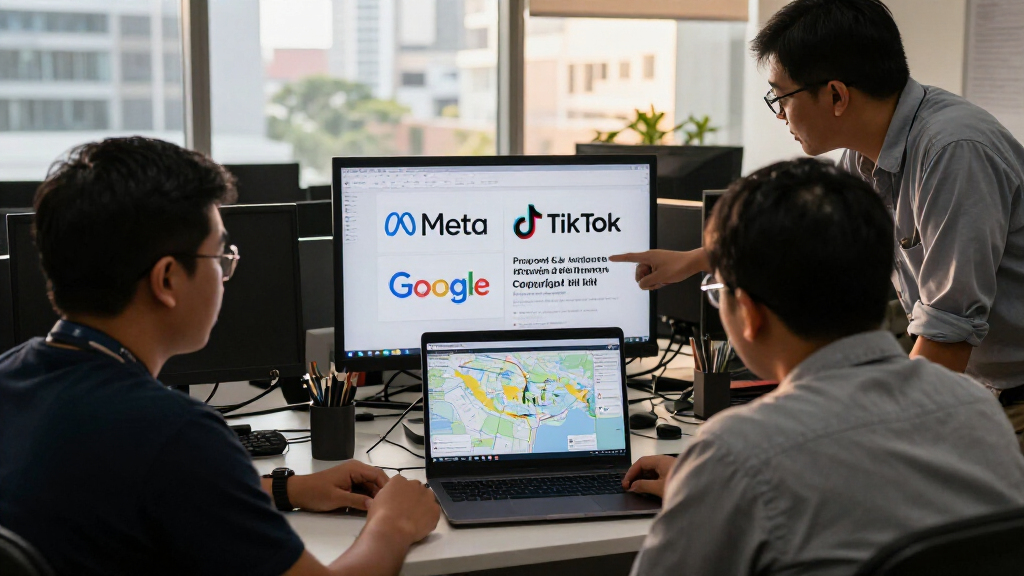
Meta and TikTok joined Google at a Nov. 11 parliamentary hearing in opposing parts of Indonesia’s proposed copyright law revision. The draft could require platforms to pay publishers for showing news links and set rules for AI training and AI-assisted works, but the text under discussion is not publicly confirmed and the bill is not law.
Meta and TikTok joined Google in opposing parts of Indonesia’s proposed copyright law revision at a parliamentary hearing in Jakarta on Nov. 11, according to Reuters and Kompas. The bill could require digital platforms to pay publishers when they display or aggregate news, while also setting rules for AI training and AI-assisted work; it remains under debate and is not law.

Get the latest gadgets delivered free with Prime
- Fast, free delivery on millions of items
- Prime Video, Amazon Music and more included
- Member-only deals all year
The proposal is a revision of Indonesia’s Copyright Law No. 28 of 2014. Parliament approved it as an initiative on March 12, 2026, and its Legislation Body, known as Baleg, is deliberating it with the government. Baleg’s Nov. 11 hearing included Google, Meta, TikTok, the Press Council and Satu Lisensi Indonesia, Kompas reported.
Google challenged proposed payments for displaying news links and snippets, and questioned a single collective licensing body and mandatory licensing for AI training, according to accounts of the hearing by Suara and Kompas. The company said a levy could leave it with “no choice” but to stop crawling, indexing and distributing Indonesian news, Reuters reported. Google also called for safe-harbor protections for platforms and a text-and-data-mining exception that could include an opt-out such as robots.txt.
Meta argued that sharing a link is not the same as republishing an article and said payment duties could reduce publishers’ traffic and revenue, according to the source material. TikTok said disclosure rules should not cover cases where AI only assists in making content, and also sought safe-harbor protection. The Press Council offered a different account of the platforms’ role: it told lawmakers that platforms take 80 percent of digital advertising and that referral traffic to news sites has fallen by up to 70 percent. Those figures are claims made at the hearing, not independently established in the available material.

How Link Payments Could Reshape News
The dispute concerns both publisher income and how readers find news. If the proposal requires payment for links, snippets or aggregation, platforms could change how they display Indonesian reporting or whether they index it. Google’s warning makes that possibility explicit, while the Press Council’s account reflects publishers’ concern that platforms already draw advertising and traffic away from news sites.
The AI provisions could also affect developers, creators and rights holders. The July draft described by Reuters would put the use of copyrighted work for model training under fair-use provisions or licensing agreements. How lawmakers define those options could determine whether developers need permission, whether creators can opt out, and how compensation is handled. The current text and its eventual effect remain uncertain.
Products Worth Considering
Amazon Kindle Paperwhite (12th Generation, 2024), 16GB, 7-Inch Display, Raspberry

Samsung Odyssey OLED G5 27-Inch QHD Gaming Monitor

Bose QuietComfort Wireless Over-Ear Noise-Cancelling Headphones, Sandstone
As an affiliate, we earn on qualifying purchases.
A Draft That Has Changed Since July
Reuters reported on an earlier draft on July 17, citing a copy authenticated by Hermansyah Siregar, a law ministry official overseeing intellectual property. Siregar said the measure would be Indonesia’s first explicit recognition of AI in its copyright law, while stressing that the draft was not final. The source material says the text has changed since then, and the full version discussed at the November hearing was not available.
As described by Reuters, the July version would bar AI from imitating a creator’s “distinctive style,” require disclosure of AI use, and protect AI-assisted work only if it met human-involvement criteria. Fully AI-generated works would be excluded, but the draft did not specify how much human contribution would qualify. It also contemplated payment to publishers for news aggregation, republication, link previews and some AI training uses, with money distributed through state-supervised collective management organizations.
The proposal builds on Presidential Regulation No. 32 of 2024, which requires digital platforms to support quality journalism. At the hearing, Press Council deputy chair Totok Suryanto said the regulation had not worked as intended and that platform compliance was low, according to Aktual. That assessment helps explain why the council is pressing for stronger rules.
““No choice” but to stop crawling, indexing and distributing Indonesian news.”
— Google representative at the Nov. 11 hearing, as reported by Reuters
Key Terms Still Under Debate
The full draft under discussion was not available in the source material, and reported accounts refer to different versions. Google cited Articles 29 and 30 at the hearing as requiring payment for indexing, aggregation, curation and news snippets, according to Suara, but those article numbers should be treated as provisional until the current text is available.
It is also unclear what would count as sufficient human involvement for copyright protection, how AI training would qualify for fair use or licensing, and how any collective licensing system would operate. The source material reports no announced date for a parliamentary vote. The platforms’ statements describe their positions; they do not establish how lawmakers will revise the proposal.
Parliament Continues Its Review
Baleg is continuing deliberations with the government after hearing from technology companies, the Press Council and licensing representatives. The next important development will be publication or confirmation of the text lawmakers are actually reviewing, followed by any revisions or a vote. No vote date is identified in the available reporting.
Until lawmakers settle the provisions, platforms, publishers, creators and AI developers cannot know what obligations would apply or when. The debate will turn on the bill’s final language, including how it treats news links, AI training, disclosure and licensing.
Key Questions
Has Indonesia passed the copyright bill?
No. The bill is being deliberated by parliament’s Legislation Body and the government. The available source material gives no date for a vote.
What are Meta, TikTok and Google opposing?
They object to aspects of the proposed rules on payments for news links and snippets. Google also raised concerns about a single licensing body and AI training licenses; Meta disputed treating a shared link as republication, while TikTok said disclosure rules should not cover AI used only to assist.
What AI rules appeared in the July draft?
Reuters reported that the July version would address AI style imitation, disclosure, human involvement in AI-assisted works, and copyright licensing or fair use for training data. The draft was not final, and the current text may differ.
When will parliament vote?
No vote date was announced in the available material. Baleg and the government are still reviewing the proposal.
Source: Thorsten Meyer AI