
TL;DR

Get the latest gadgets delivered free — and shop member deals
- Fast, free delivery on millions of items
- Access to Prime Big Deal Days deals on October 6–7
- Prime Video, Amazon Music and more included
A Gallup survey reveals that more than 70% of Americans oppose constructing AI data centers in their neighborhoods. The opposition is driven by concerns over resource use, pollution, and rising costs. This widespread sentiment could influence future infrastructure development.
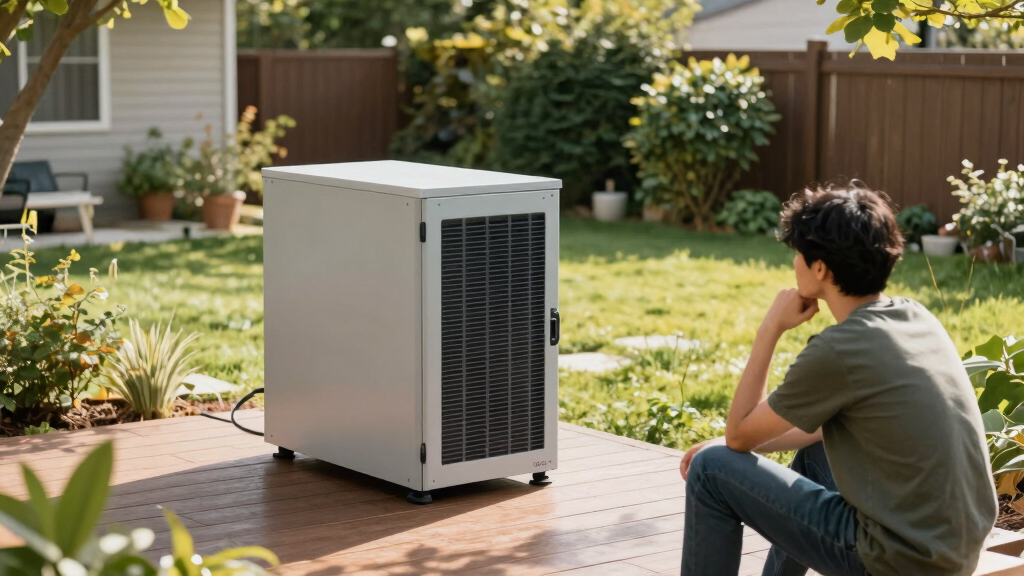
More than 70% of Americans oppose the construction of AI data centers in their neighborhoods, according to a recent Gallup survey, signaling widespread resistance to new data center projects across the country.
The Gallup survey, conducted in March 2026 with 1,000 randomly-selected American adults and an April follow-up with 2,054 panel members, found that only 7% of respondents were strongly in favor of new data centers. The opposition is driven primarily by concerns over water and electricity consumption, pollution, and the impact on quality of life, with half of opponents citing resource use as their top worry.
Notably, opposition levels are highest among Democrats at 75%, with independents at 74%, and Republicans at 63%. The survey also reports that 43% of Americans view data centers as a major contributor to rising power bills, according to a recent Pew Research study. Supporters, mainly citing job creation, represent just over half of respondents.
Why It Matters
This strong opposition could influence local and federal policies on data center development, potentially delaying or blocking projects. As AI and data processing needs grow, public resistance highlights the importance of addressing environmental and community concerns in infrastructure planning. The opposition underscores broader debates about the environmental footprint of AI and digital infrastructure.
energy-efficient data center cooling systems
As an affiliate, we earn on qualifying purchases.
As an affiliate, we earn on qualifying purchases.
Background
Data centers are critical for AI, cloud computing, and internet services but are often criticized for their high water and energy consumption. Recent years have seen a surge in proposed data center projects across the US, with some local governments considering moratoriums or stricter regulations. Public opposition, as reflected in this survey, adds a new dimension to ongoing debates about balancing technological advancement with community and environmental impacts.
“Over 70% of Americans oppose the construction of AI data centers in their neighborhoods, citing environmental and resource concerns.”
— Gallup poll spokesperson
“Public resistance highlights the need for more sustainable data center practices and transparent planning to address community concerns.”
— Jane Doe, environmental policy analyst
water-saving data center equipment
As an affiliate, we earn on qualifying purchases.
As an affiliate, we earn on qualifying purchases.
What Remains Unclear
It remains unclear whether this opposition will lead to concrete policy changes or project delays. The survey reflects current sentiment, but specific future actions by local governments or companies are still developing.
renewable energy power supplies for data centers
As an affiliate, we earn on qualifying purchases.
As an affiliate, we earn on qualifying purchases.
What’s Next
Next steps include potential policy debates at local and federal levels, with some communities considering moratoriums or stricter regulations. Industry stakeholders may need to engage more with communities to address concerns. Monitoring upcoming project proposals will clarify how resistance impacts infrastructure growth.
environmentally friendly server racks
As an affiliate, we earn on qualifying purchases.
As an affiliate, we earn on qualifying purchases.
Key Questions
Why do Americans oppose AI data centers in their neighborhoods?
According to the survey, major concerns include resource consumption (water and electricity), pollution, and impacts on quality of life, as well as rising energy costs.
How significant is the opposition among different political groups?
The survey shows the opposition is strongest among Democrats at 75%, followed by independents at 74%, and Republicans at 63%, indicating broad bipartisan resistance.
Could this opposition affect future AI infrastructure projects?
Yes, public resistance could lead to delays, stricter regulations, or project cancellations, especially if local governments respond to community concerns.
Are there any benefits to building these data centers that might outweigh public concerns?
Supporters cite job creation and economic growth as primary benefits, but these are currently outweighed by environmental and cost concerns among the majority of Americans.
Fall Picks
fall essentials
As an affiliate, we earn on qualifying purchases.