
TL;DR

Get the latest gadgets delivered free with Prime
- Fast, free delivery on millions of items
- Prime Video, Amazon Music and more included
- Member-only deals all year
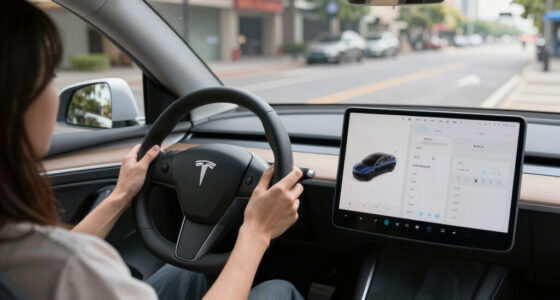
Fisker Inc. filed for Chapter 11 bankruptcy in June 2024, leaving thousands of Ocean SUV owners without support. In response, owners organized into a nonprofit, reverse-engineered software, and built an open-source ecosystem to keep their cars running, effectively creating a volunteer-run car company.
Fisker Inc. filed for Chapter 11 bankruptcy in June 2024, leaving approximately 11,000 Ocean SUV owners without manufacturer support and critical vehicle functions. In a remarkable response, these owners organized into a nonprofit community and began reverse-engineering Fisker’s proprietary software, creating an open-source ecosystem to maintain their vehicles independently. This grassroots effort effectively transforms owners into an autonomous, volunteer-run automotive support network.
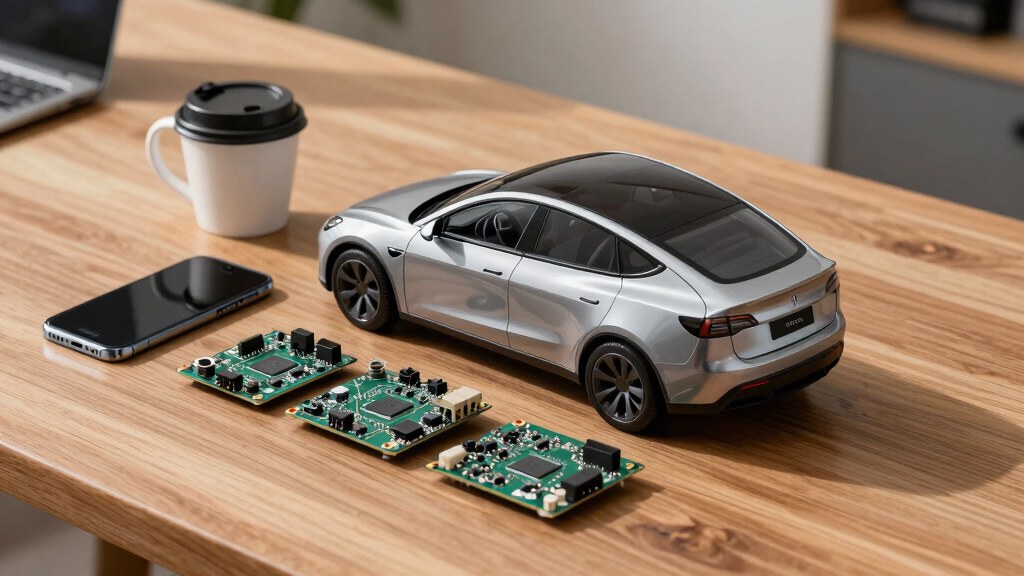
Following Fisker’s bankruptcy, the Ocean SUV owners formed the Fisker Owners Association (FOA), a nonprofit that grew rapidly to 4,000 members. They hired independent technicians, reverse-engineered vehicle software, and developed tools for firmware flashing and diagnostics. The community secured parts, negotiated better prices, and established repair networks, such as Europe’s ‘Flying Doctors’ program. Technically, they have mapped CAN bus networks and built open-source tools, including APIs and diagnostic software, to keep vehicles operational without manufacturer support. Despite challenges, including a failed $2.5 million deal to acquire proprietary code, the owners continue to develop and expand their ecosystem, effectively creating an independent car support infrastructure.
Why It Matters
This development is significant because it demonstrates a grassroots, community-driven response to manufacturer insolvency, challenging traditional notions of vehicle software and support. It highlights the potential for open-source approaches to extend vehicle lifespans and empower owners, especially as automotive software becomes more complex and dependent on manufacturer support. The case raises questions about ownership rights, vehicle security, and the future of automotive repair and software independence.
Fisker Ocean SUV diagnostic tools
As an affiliate, we earn on qualifying purchases.
As an affiliate, we earn on qualifying purchases.
Background
Fisker, once seen as a rival to Tesla, produced 11,000 Ocean SUVs before filing for bankruptcy with over $1 billion in debts. The company’s architecture relied heavily on cloud connectivity, making vehicles non-functional without Fisker’s servers. The software was developed by suppliers like Magna, and its proprietary nature initially limited owner access. The community’s efforts began shortly after the bankruptcy, with owners reverse-engineering software and building open-source tools, inspired by broader movements advocating for open automotive systems. The attempted sale of Fisker’s assets, including source code, to American Lease in late 2024, fell through, complicating efforts to preserve access to proprietary software.
“A ‘software-based car’ that becomes useless when the manufacturer disappears is a problem we need to fix.”
— Cory Doctorow
“We really need much more open source in the auto industry. The default now is that if the manufacturer disappears, the car is useless.”
— Vitalik Buterin
As an affiliate, we earn on qualifying purchases.
What Remains Unclear
It remains unclear whether the open-source ecosystem will fully replace manufacturer support or if legal and safety considerations will limit community modifications. Additionally, the future of proprietary code access following the failed sale deal is uncertain, and the extent to which automakers might attempt to restrict or regulate such community efforts is still developing.
As an affiliate, we earn on qualifying purchases.
What’s Next
Community members plan to continue developing diagnostic and control tools, expand their open-source platform, and advocate for legal recognition of owner-led vehicle modifications. Future milestones include potential formal recognition of the ecosystem, further software development, and possible legal challenges from manufacturers or insurers.
As an affiliate, we earn on qualifying purchases.
Key Questions
Can owners fully open-source their Fisker Ocean software?
While owners have reverse-engineered parts of the software, safety-critical systems developed by suppliers like Magna cannot be fully open-sourced. Most community efforts focus on infotainment, diagnostics, and connectivity layers.
Will this community effort be legally sustainable?
The legal landscape is uncertain. Current efforts operate in a gray area, and future legal actions or regulations could impact the community’s activities.
What happens if Fisker or another manufacturer takes legal action?
Legal action could restrict community development or access to proprietary code, but so far, the community has maintained momentum through open-source collaboration and owner support networks.
Could this model be applied to other vehicle brands?
Potentially, yes. The Fisker case illustrates how owner communities can organize around software support, but success depends on vehicle architecture and legal factors.
Halloween Picks
halloween
As an affiliate, we earn on qualifying purchases.