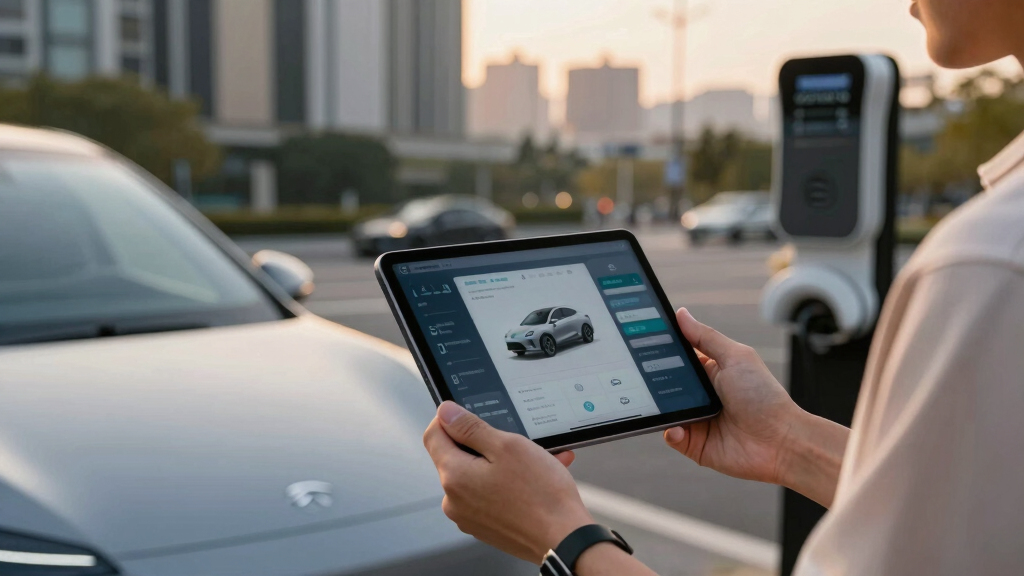

TL;DR

Get the latest gadgets delivered free with Prime
- Fast, free delivery on millions of items
- Prime Video, Amazon Music and more included
- Member-only deals all year
Automakers like GM, Ford, and Stellantis are cutting thousands of jobs linked to traditional roles while hiring for AI-native skills. This shift indicates an emerging AI skills arms race in the automotive industry, with significant implications for employment and technological development.
Major automotive manufacturers, including General Motors, Ford, and Stellantis, are significantly downsizing traditional salaried jobs while simultaneously recruiting for AI-specific roles, marking a notable shift driven by rapid AI adoption in the industry.
According to TechCrunch, GM has laid off over 600 IT employees—about 10% of its IT department—in a skills swap aimed at recruiting AI-native developers, data engineers, and cloud specialists. Similar trends are observed across Ford and Stellantis, which have collectively cut more than 20,000 U.S. jobs, approximately 19% of their recent employment peaks. These layoffs are linked to technological shifts, particularly AI integration, although some industry insiders acknowledge that many companies are still figuring out how to leverage AI effectively. Meanwhile, companies like Samsara have demonstrated how AI can be turned into revenue, such as their model detecting potholes, which is now contracted by cities like Chicago. The trend reflects a broader industry pivot toward AI, with firms prioritizing skills in system design, model training, and pipeline engineering over traditional roles.
Why It Matters
This development is significant because it signals a fundamental transformation in automotive industry employment and technological focus. As companies shift toward AI-driven systems, there is potential for increased innovation and efficiency, but also for substantial job displacement in traditional roles. The industry’s emphasis on AI skills could reshape workforce requirements and competitive dynamics, impacting workers, investors, and consumers alike.
AI developer tools for automotive
As an affiliate, we earn on qualifying purchases.
As an affiliate, we earn on qualifying purchases.
Background
Over the past decade, automakers have increasingly integrated AI into vehicle development, from autonomous driving to manufacturing automation. Recent layoffs and hiring patterns reflect this transition, with companies like GM and Ford prioritizing AI expertise amid broader technological upheavals. Industry analysts note that while AI offers efficiency gains, the shift also involves significant workforce restructuring, often accompanied by layoffs of traditional IT and engineering roles. This trend aligns with broader tech industry movements, where AI’s rapid evolution is disrupting established employment models.
“Automakers are reducing traditional roles while aggressively hiring for AI-native skills, marking a major industry shift.”
— Kirsten Korosec, TechCrunch
“Many companies are still figuring out how best to leverage AI, which means the job cuts and hires are part of a broader experimentation phase.”
— Industry analyst (unnamed)
As an affiliate, we earn on qualifying purchases.
What Remains Unclear
It remains unclear how sustainable these layoffs are long-term, and whether automakers will successfully integrate AI without further significant job losses. The exact impact on overall employment numbers in the industry and how AI will reshape competitive advantages are still developing. Additionally, many companies admit they are still experimenting with AI applications, and the full scope of its impact remains uncertain.
cloud computing for automotive industry
As an affiliate, we earn on qualifying purchases.
As an affiliate, we earn on qualifying purchases.
What’s Next
Next steps include continued hiring of AI specialists, further layoffs in traditional roles, and increased investment in AI-driven vehicle and manufacturing technologies. Industry conferences and corporate disclosures in 2024 will likely shed more light on how these shifts evolve and their broader industry implications.
vehicle autonomous driving AI hardware
As an affiliate, we earn on qualifying purchases.
As an affiliate, we earn on qualifying purchases.
Key Questions
Why are automotive companies laying off traditional roles?
They are shifting focus toward AI-driven systems, requiring different skill sets such as AI development, data engineering, and cloud computing, leading to layoffs in roles less aligned with these technologies.
What types of AI skills are most in demand in automotive companies?
Skills in AI-native development, data engineering, model training, cloud-based engineering, prompt engineering, and AI workflow design are most sought after.
Will this AI skills arms race lead to more job losses?
It is likely, as traditional roles are being replaced or redefined, but it could also create new opportunities for specialized AI talent. The long-term employment impact remains uncertain.
How are automakers funding their AI initiatives?
Automakers are investing heavily in AI startups, hiring AI talent, and reallocating resources from traditional roles to AI development, often supported by venture capital and strategic partnerships.
Halloween Picks
halloween
As an affiliate, we earn on qualifying purchases.