
TL;DR

Get the latest gadgets delivered free with Prime
- Fast, free delivery on millions of items
- Prime Video, Amazon Music and more included
- Member-only deals all year
Japan faces a surge in bear attacks and sightings, prompting high demand for the Monster Wolf robot. Ohta Seiki cannot meet the orders, with a backlog of two to three months. The development highlights technological efforts to address wildlife conflicts.
Ohta Seiki, the maker of the Monster Wolf robot designed to deter bears, has stated it cannot keep up with the rising demand in Japan, where record bear attacks and sightings have led to a surge in orders.
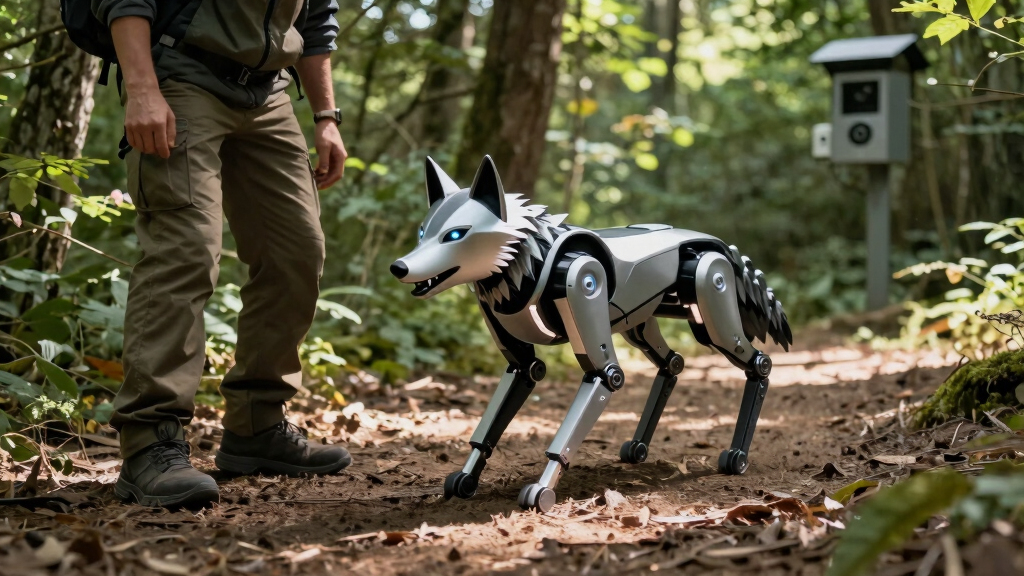
According to company president Yuji Ohta, Ohta Seiki’s order book for the Monster Wolf has already reached 50 units this year, a number that surpasses their typical annual production. The robot, priced at over $4,000, features LED lights, loud noises, infrared sensors, and animated movements to scare away bears from human-populated areas.
Japan has experienced a significant increase in bear-related incidents, with 13 fatalities reported last year—more than double the previous year’s count—and over 50,000 sightings nationwide, more than twice the previous record. These developments have heightened the need for effective deterrents, boosting demand for high-tech solutions like the Monster Wolf.
Ohta Seiki has announced a two- to three-month wait time for new orders, which is causing concern among local authorities and residents. The company is also exploring expansion into handheld versions for outdoor enthusiasts and plans to incorporate AI cameras to enhance its bear-deterrent technology.
Why It Matters
This situation underscores the increasing challenges Japan faces with wildlife management amid rising human-wildlife conflicts. The inability to meet demand for robot wolves highlights the urgency of deploying technological solutions to protect communities and reduce fatalities. It also points to a broader trend of integrating automation and AI into wildlife management strategies.
animatronic wolf robot for wildlife deterrent
As an affiliate, we earn on qualifying purchases.
As an affiliate, we earn on qualifying purchases.
Background
Japan has seen a sharp rise in bear sightings and attacks over recent years, driven by habitat encroachment and climate change. In 2024, record numbers of reports and fatalities have prompted authorities to seek innovative deterrents. Earlier efforts included deploying drones around Miyagi Prefecture to address bear infestations. The Monster Wolf robot, introduced as a high-tech alternative to traditional deterrents, has gained popularity but faces production constraints due to high demand.
“We cannot make them fast enough. The demand is far exceeding our capacity.”
— Yuji Ohta, President of Ohta Seiki
“We are exploring AI-enhanced cameras and handheld models to expand our product range.”
— Ohta Seiki official
bear deterrent LED lights and noise machine
As an affiliate, we earn on qualifying purchases.
As an affiliate, we earn on qualifying purchases.
What Remains Unclear
It is not yet clear how long the current production bottleneck will last or how effective the expanded product offerings will be in reducing bear encounters.
high-tech wildlife scarecrow robot
As an affiliate, we earn on qualifying purchases.
As an affiliate, we earn on qualifying purchases.
What’s Next
Ohta Seiki plans to increase production capacity and accelerate development of AI-enabled and portable versions of the Monster Wolf. Authorities and residents will monitor the impact of these measures on bear attacks and sightings in the coming months.
As an affiliate, we earn on qualifying purchases.
Key Questions
Why is Japan increasing its use of robot wolves?
Japan is experiencing a surge in bear attacks and sightings, prompting the adoption of high-tech deterrents like the Monster Wolf to protect communities.
What features does the Monster Wolf robot have?
It emits loud noises, uses LED lights, has infrared sensors for animal detection, and features animated movements to scare bears away.
Why can’t Ohta Seiki meet the demand for robot wolves?
The company’s current production capacity is overwhelmed by the high volume of orders, which has already reached 50 units this year, exceeding their usual output.
Are there other methods being used to control bears in Japan?
Yes, recent efforts include deploying drones in Miyagi Prefecture, and authorities are exploring AI technology and portable deterrents to address the problem.
What are the next steps for Japan’s wildlife management efforts?
Authorities and companies like Ohta Seiki will work to increase technological solutions’ capacity and effectiveness, aiming to reduce bear encounters and fatalities.
Columbus Day / Indigenous Peoples' Day Picks
long weekend sales
As an affiliate, we earn on qualifying purchases.