

TL;DR
Jamie Dimon has publicly expressed concern about excessive market exuberance linked to AI and tech valuations. His warning echoes the historic ‘irrational exuberance’ phrase, highlighting potential risks of a bubble. The development underscores growing caution among market leaders about overvalued assets amid rapid technological growth.
Jamie Dimon, CEO of JPMorgan Chase, publicly warned this week that financial markets are exhibiting signs of ‘too much exuberance,’ particularly around artificial intelligence and technology valuations. His comments come amid growing concern that investor optimism may be pushing asset prices beyond sustainable levels, echoing the historic phrase ‘irrational exuberance’ first used by former Federal Reserve Chair Alan Greenspan in 1996.
In a Bloomberg TV interview, Dimon cautioned that the current market environment displays frothy valuations, especially in sectors related to AI and Big Tech infrastructure investments. He emphasized that while AI has long-term productivity potential, the rapid rise in valuations and investment levels could indicate a bubble, similar to late-1990s tech overextensions. Dimon’s warning aligns with recent analyses from financial strategists, including Joachim Klement of Panmure Liberum, who described the AI boom as a bubble that could last another one to two years.
Market experts note that the AI surge is now estimated to be about 60% larger than the late-1990s technology-media-telecom bubble, based on the contribution of tech capital expenditure to U.S. GDP. Hyperscalers are investing heavily in data centers and chips, with some analysts questioning whether key AI players like OpenAI and Anthropic have viable business models. These valuations are driven more by hype and narratives than by clear economic fundamentals, raising concerns about potential reversals.
Why It Matters
Dimon’s warning is significant because, as the head of the largest U.S. bank, his views reflect a cautious stance on the sustainability of current market valuations. His concerns suggest that a correction could impact not only tech stocks but broader financial markets, especially if investor sentiment shifts suddenly. The warning also underscores the risk that overvaluation in AI and tech sectors could exacerbate economic vulnerabilities if a downturn occurs, given the high levels of investment and concentration of growth in these areas.
As an affiliate, we earn on qualifying purchases.
Background
The term ‘irrational exuberance’ was first coined by Greenspan in 1996 during a speech warning about speculative excesses leading up to the dot-com bubble burst. Today’s AI boom has drawn parallels to that era, but with even larger figures: current estimates suggest the AI-related investment surge surpasses the late-1990s bubble in scale. Recent macroeconomic analyses, including Deutsche Bank’s research, highlight that structural headwinds—such as rising deficits and demographic challenges—may be underappreciated by markets, which are instead focused on AI as a growth driver. This context frames Dimon’s caution as part of a broader debate on whether current valuations are justified or dangerously inflated.
“Markets may be showing ‘too much exuberance,’ especially around AI and tech valuations.”
— Jamie Dimon
“There are signs of ‘irrational exuberance’ in the AI boom; it could be a bubble lasting another one to two years.”
— Joachim Klement, Panmure Liberum strategist
“How do we know when irrational exuberance has unduly escalated asset values?”
— Alan Greenspan
As an affiliate, we earn on qualifying purchases.
What Remains Unclear
It remains unclear whether current valuations will correct soon or if the market can sustain the high levels of optimism. The extent of potential downside and the timing of any correction are still uncertain, as are the long-term economic impacts of AI investments.
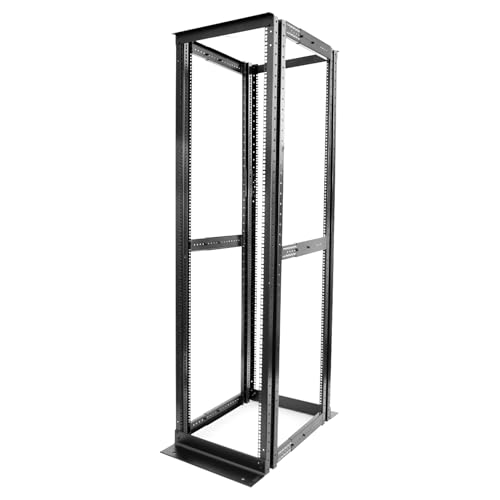
GlobalRack 42U Open Frame Server Rack,22-35" Depth Adjust
- Customizable Depth Range: Adjustable 22-35 inches for flexibility
- High Load Capacity: Supports up to 1900lbs (855kg)
- Durable Steel Construction: Made from 2mm cold rolled steel
As an affiliate, we earn on qualifying purchases.
As an affiliate, we earn on qualifying purchases.
What’s Next
Next steps include monitoring market reactions to Dimon’s warning, upcoming earnings reports from major tech firms, and macroeconomic indicators. Regulatory responses or shifts in investor sentiment could also influence the trajectory of valuations in the coming months.
As an affiliate, we earn on qualifying purchases.
Key Questions
What does ‘irrational exuberance’ mean in this context?
It refers to investor optimism that drives asset prices beyond what fundamentals justify, often fueled by hype and narratives rather than data, increasing the risk of a market correction.
Why is Jamie Dimon’s warning significant?
As the CEO of JPMorgan Chase, he is a key figure in global finance, and his caution signals concerns about potential market vulnerabilities that could affect the broader economy.
Could this lead to a market crash?
While a correction or downturn is possible if valuations sharply reverse, it is not yet certain whether a crash will occur or when.
How does this compare to the 1990s tech bubble?
Current AI valuations are larger in scale, but similar concerns about overvaluation and speculative excesses are being raised, echoing late-1990s market psychology.
Source: Google Trends