
TL;DR

Get the latest gadgets delivered free with Prime
- Fast, free delivery on millions of items
- Prime Video, Amazon Music and more included
- Member-only deals all year
Apple and Google are introducing new platform-level interventions for push notifications, including stricter filtering and user controls. These changes aim to manage attention and battery use but reduce sender visibility and control. The full impact and future developments are still unfolding.
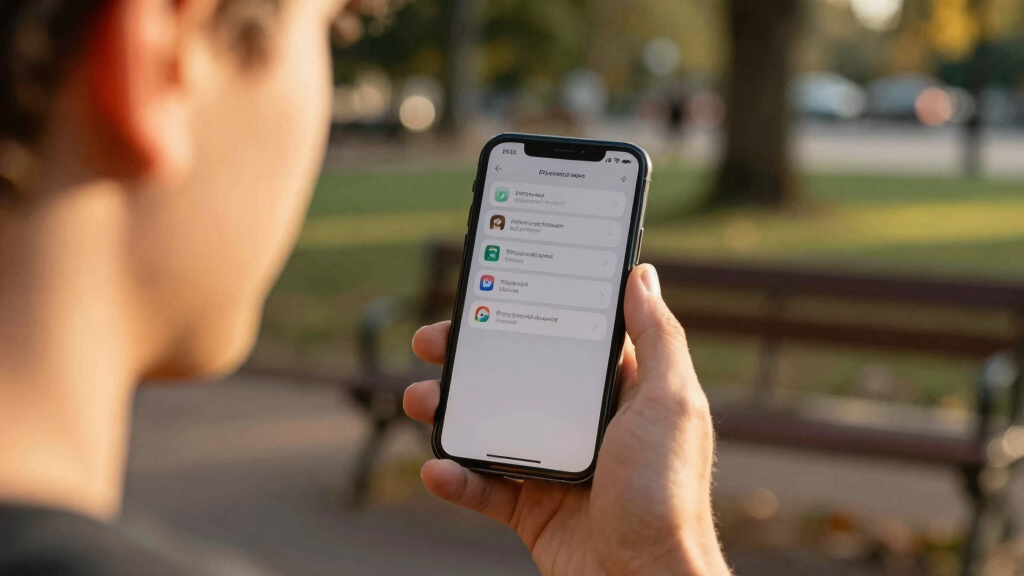
Apple and Google are implementing significant new controls over push notifications, affecting how messages are delivered and managed on user devices. These changes, confirmed by recent platform updates and developer documentation, aim to improve user experience and device battery life but also reduce sender control and transparency. This development is important for app developers, marketers, and users alike, as it reshapes the notification ecosystem that has been largely permissive for over a decade.
Both Apple and Google have introduced new filtering and management features for push notifications, moving beyond their previous passive roles. Apple, with iOS 15 and subsequent updates, introduced a new categorization system—passive, active, time-sensitive, and critical—intended to prioritize notifications based on urgency, with explicit guidelines that marketing notifications should not be classified as time-sensitive. Google, in Android 13, mandated explicit user permission for push notifications, leading to a decline in opt-in rates among users, especially for gaming and news apps. These platform interventions mean notifications are now more likely to be throttled, deprioritized, or blocked based on platform algorithms and user preferences, reducing the control that senders previously had over message delivery.
Experts note that these changes reflect a broader shift toward platform dominance over communication channels. While user control has increased—users can now more easily mute or block notifications—the transparency and instrumentation for senders have diminished. Unlike email, which provides detailed analytics and persistent inboxes, push notifications are transient and less observable, making it harder for senders to gauge effectiveness or troubleshoot delivery issues.
Why It Matters
This shift matters because it alters the balance of power between platform owners and content senders. Marketers and app developers face increased difficulty in reaching users effectively, potentially reducing engagement and revenue. For users, these controls aim to reduce notification fatigue and improve device performance, but they also limit the ability of third parties to communicate directly. The changes could lead to a more curated and less intrusive notification environment but also raise concerns about transparency and accountability in message delivery.
push notification management app
As an affiliate, we earn on qualifying purchases.
As an affiliate, we earn on qualifying purchases.
Background
Push notifications have been a core part of mobile engagement since their introduction in 2009, with Apple’s APNs and Google’s Cloud Messaging serving as the primary channels. Over time, both platforms introduced increasingly sophisticated filtering and user controls, culminating in Android 13’s explicit permission requirement and iOS 15’s categorization system. Historically, these channels were permissive, with minimal intervention, but recent updates mark a move toward more active management by the platforms. This trend mirrors developments in email, where increased filtering, authentication standards, and reporting have shifted control away from senders toward providers and algorithms.
“Apple and Google are tightening control over push notifications, prioritizing user experience but reducing transparency for senders.”
— Industry analyst
“iOS 15 introduces a new notification taxonomy designed to better serve user needs and reduce notification fatigue.”
— Apple spokesperson
“Requiring explicit permission for notifications has significantly lowered opt-in rates, impacting how apps reach users.”
— Android developer
Android notification permission tool
As an affiliate, we earn on qualifying purchases.
As an affiliate, we earn on qualifying purchases.
What Remains Unclear
It is still unclear how these platform interventions will evolve over time and whether additional controls or transparency measures will be introduced. The long-term impact on sender analytics, user engagement, and platform algorithms remains uncertain, as does the potential for third-party tools to mitigate these changes.
iOS notification categorization app
As an affiliate, we earn on qualifying purchases.
As an affiliate, we earn on qualifying purchases.
What’s Next
Next steps include monitoring how developers adapt their notification strategies, whether platforms introduce new transparency tools, and how user opt-in rates and engagement metrics change. Future platform updates may further refine notification controls or provide more analytics for senders. Industry observers will watch for potential regulatory responses or shifts in user behavior that could influence the trajectory of these changes.
notification blocker for Android and iPhone
As an affiliate, we earn on qualifying purchases.
As an affiliate, we earn on qualifying purchases.
Key Questions
How do these changes affect app developers and marketers?
Developers and marketers may experience reduced delivery rates and less visibility into notification performance due to increased platform filtering and stricter user permissions. They will need to adapt their strategies to focus on high-priority, user-approved notifications.
Will users see fewer notifications overall?
Potentially, yes. The new controls are designed to reduce notification fatigue by filtering less urgent messages, which could result in fewer notifications reaching users or being visible in the notification center.
Are these changes permanent or subject to future updates?
These are ongoing platform updates, and further modifications are likely as Apple and Google refine their notification management policies in response to user feedback and technological developments.
Is there a way for senders to bypass these controls?
Currently, no. The platforms have introduced stricter permissions and filtering, making it more difficult for senders to ensure delivery without user consent. Any bypass would likely violate platform policies.
Source: Hacker News
Fall Picks
fall essentials
As an affiliate, we earn on qualifying purchases.