
📊 Full opportunity report: Memory Stopped Being a Commodity on ThorstenMeyerAI.com — validation score, market gap, and execution plan.
TL;DR
Micron has announced long-term, take-or-pay contracts covering 20% of its memory output, with $100 billion in guaranteed revenue. This signals a major industry shift from memory as a commodity to a strategic, prepaid input. The move aims to stabilize demand but raises questions about market dynamics.
Micron has formalized a major shift in the memory industry by signing 16 long-term, take-or-pay contracts that lock in about 20% of its DRAM and NAND output through 2030, with a guaranteed minimum revenue of roughly $100 billion. This development signifies that memory is no longer treated as a volatile, spot-market commodity but as a strategic, prepaid input that large buyers fund upfront.
The contracts, called Strategic Customer Agreements, run mostly from 2026 to 2030, with some automotive deals lasting three years. They require customers to buy a set volume annually or pay regardless, effectively locking in demand. The pricing structure includes a ceiling near current market prices and a floor ensuring Micron maintains gross margins above previous cycle peaks, providing both stability and profit protection for the company.Furthermore, Micron expects to collect about $22 billion in customer deposits and financial commitments—roughly $18 billion in cash deposits and $4 billion in letters of credit. These funds sit on Micron’s balance sheet for the duration of the contracts, effectively pre-funding capacity expansion and shifting risk from manufacturer to buyer. This approach contrasts sharply with the traditional industry model, where memory manufacturers bore capacity risks and buyers waited for price drops.
In the quarter prior to this announcement, Micron reported record revenue of $41.5 billion, a 346% increase year-over-year, with gross margins reaching 84.9%. Management projected next quarter revenues at $50 billion with margins around 86%. The company’s ramp-up of high-bandwidth memory for AI applications is progressing rapidly, reflecting strong demand and pricing power.
Memory stopped being a commodity
Micron just locked up a fifth of its DRAM and a third of its NAND through 2030 with binding take-or-pay contracts — and collected $22 billion in deposits from the customers, up front. The boom-bust cycle that always brought cheap RAM back is being contracted away.
A dream deal for Micron — near-peak prices, margin floors above any past peak, customer-funded fabs. Insurance for the buyers who signed — real protection against a real shortage, bought dear. And for everyone else, a forecast: don’t expect cheap memory back soon. The structure is also a large, leveraged bet on AI demand holding to 2030 — and floors get tested in a genuine downturn. The contracts run to 2030; the test arrives sooner.
Implications of Memory Contracting as Infrastructure
This shift indicates that memory is transitioning from a commodity susceptible to cyclical price swings to a strategic, contracted input similar to electricity or fuel. For Micron, this means more predictable revenue streams and increased pricing power, potentially reshaping industry dynamics.
For buyers, especially hyperscalers and AI infrastructure firms, locking in supply at near-peak prices could be advantageous if demand remains high. However, it also exposes them to risks if AI demand diminishes, as they remain committed to multi-year obligations at floor prices. Overall, this move could lead to a more stable but less flexible memory market, affecting pricing, supply, and industry competition.
high-performance DRAM memory modules
As an affiliate, we earn on qualifying purchases.
As an affiliate, we earn on qualifying purchases.
Industry Patterns and Historical Cycles
Historically, memory chips have been treated as commodities, with prices fluctuating wildly due to supply-demand imbalances. For over four decades, prices surged during shortages and crashed after glut periods, prompting cyclical investment and disinvestment by manufacturers. Micron’s recent contracts mark a departure from this pattern, as the industry attempts to tame these cycles through long-term demand commitments.
Previous industry peaks saw companies declare the end of the boom, only for prices to fall again. Micron’s strategy aims to break this cycle by securing demand in advance, reducing exposure to price swings. Nonetheless, the industry still faces uncertainties about how widespread this contracting approach will become and whether it can truly stabilize the market long-term.
“We are transforming memory from a commodity into a strategic infrastructure component, providing stability for both our company and our customers.”
— Micron CEO Sanjay Mehrotra
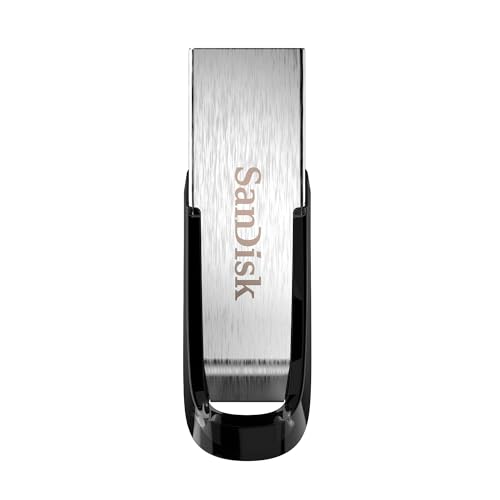
SANDISK 128GB Ultra Flair USB 3.0 Flash Drive, SDCZ73-128G-G46, Black
High-speed USB 3.0 performance of up to 150MB/s(1) [(1) Write to drive up to 15x faster than standard…
As an affiliate, we earn on qualifying purchases.
As an affiliate, we earn on qualifying purchases.
Unresolved Questions About Market Impact
It remains unclear how widespread the adoption of such long-term contracts will become across the industry and whether other manufacturers will follow Micron’s lead. The long-term effects on prices, supply flexibility, and market competition are still uncertain, as is the impact on smaller buyers and new entrants.
Additionally, the actual risk of demand decline, particularly if AI growth slows or stalls, has yet to be tested against these contractual commitments, making the full economic impact uncertain.

128GB 4X32GB DDR5 5600MHz PC5-44800 2Rx8 1.1V CL46 288-PIN ECC Unbuffered UDIMM NEMIX RAM Memory KIT
EXACT-MATCH UPGRADE — 128GB (4X32GB) kit DDR5-5600 (PC5-44800), 2Rx8 Unbuffered ECC, 1.1V, CL46, 288-pin. The precise rank, voltage,…
As an affiliate, we earn on qualifying purchases.
As an affiliate, we earn on qualifying purchases.
Future Industry Trends and Regulatory Scrutiny
Micron will likely continue expanding these contracts, aiming for over half of its revenue under similar terms. Industry observers will monitor whether competitors adopt similar strategies and how markets respond. Regulatory bodies may also scrutinize these long-term arrangements for potential anti-competition concerns, especially if market power consolidates.
Further developments in AI demand, technological advances, and geopolitical factors will influence how this contractual approach evolves and whether it truly stabilizes or constrains the memory market.

NEMIX RAM 128GB (4X32GB) DDR5 5200MHz PC5-41600 2Rx8 1.1V CL44 288-PIN ECC Unbuffered UDIMM Memory KIT
EXACT-MATCH UPGRADE — 128GB (4X32GB) kit DDR5-5200 (PC5-41600), 2Rx8 Unbuffered ECC, 1.1V, CL44, 288-pin. The precise rank, voltage,…
As an affiliate, we earn on qualifying purchases.
As an affiliate, we earn on qualifying purchases.
Key Questions
What does it mean that memory is no longer a commodity?
It means that memory chips are now secured through long-term contracts rather than bought on the spot market, shifting from a volatile, cyclical commodity to a strategic, prepaid input.
Who are the main beneficiaries of this shift?
Manufacturers like Micron gain more predictable revenue and pricing power, while large buyers such as hyperscalers and AI infrastructure firms secure supply at near-peak prices, reducing their exposure to price swings.
Could this change lead to higher memory prices long-term?
Potentially, as demand becomes more predictable and less subject to cyclical downturns, prices may stabilize at higher levels, benefiting producers but possibly increasing costs for consumers and smaller buyers.
What risks do buyers face with these contracts?
If AI demand slows or demand shifts, buyers may be locked into paying for memory at prices higher than the market value, leading to potential losses or excess capacity.
Will other memory manufacturers follow Micron’s strategy?
It remains uncertain. While some may adopt similar long-term contracting, the industry’s traditional model relies on flexible, spot-market transactions, and widespread adoption could reshape competitive dynamics.
Source: ThorstenMeyerAI.com