
📊 Full opportunity report: Bring Museum Exhibits To Life With Educational Games on IdeaNavigator AI — validation score, market gap, and execution plan.

Get the latest gadgets delivered free with Prime
- Fast, free delivery on millions of items
- Prime Video, Amazon Music and more included
- Member-only deals all year
TL;DR
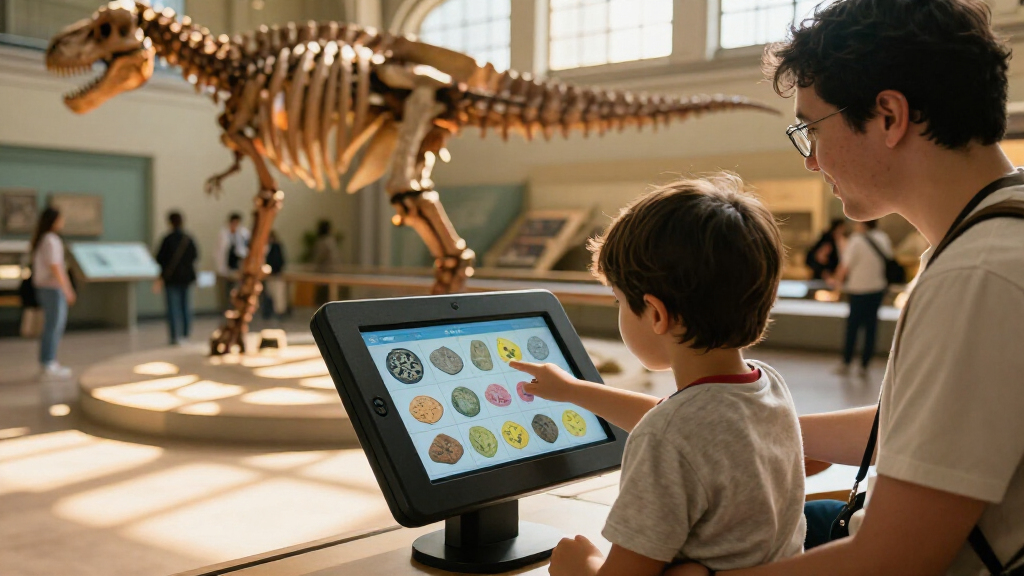
IdeaNavigator AI has proposed a done-for-you package of browser-based learning games for small museums, built from each institution’s collection and aimed at school groups and families. The proposal is a business concept, not a confirmed launch or a tested result; it calls for trials at three museums before judging demand or impact.
IdeaNavigator AI has proposed a fixed-price service that would turn small museums’ collection materials into browser-based educational games for school groups and families. The concept is aimed at museums with limited budgets and staff, but it remains a proposal: no product launch, participating museums or measured visitor results are reported.
The proposed customer is a director or sole educator at a small history, art or science museum, generally defined in the proposal as having an annual budget below $250,000 and hosting school groups and families. IdeaNavigator AI says these institutions often rely on printed activities and may lack the staff time to create and maintain digital games. Those descriptions frame the business case; they are not supported here by survey data or a named set of museums.
Under the suggested minimum viable product, a museum would provide object records, exhibit labels and photographs. The provider would then deliver a browser-based quest within two weeks, with three formats: a school-group activity tailored to a grade band and aligned with state standards, a family quest, and a short solo trail designed to take about 10 minutes. Visitors would not need to download an app.
The package would also include a basic content editor for staff to update activities when displays change, a printable alternative and analytics that museums could use in grant reports. The proposal says game content would be drafted from each museum’s collection and reviewed by a museum educator. Its suggested pricing is a fixed build fee sized for a small grant, followed by a modest annual hosting and refresh charge. Regional museum associations are identified as possible group buyers.
Bring Museum Exhibits to Life With Educational Games
IdeaNavigator AI has proposed a browser-based game service built from small museums’ collections. It is a business concept, not a launched or tested service.
What the proposed package includes
Museums would provide collection records, exhibit labels and photographs; the provider would build activities for visitors.
Grade-aligned quest
A school activity tailored to a grade band and aligned with state standards.
Family quest
A browser-based activity visitors can use without downloading an app.
Short trail
A brief independent activity, with a printable alternative also proposed.
How the pilot would work
The proposal recommends testing the service before judging demand or impact.
Create collection-based games for three small museums.
Compare school bookings, family dwell time and repeat visits with the same term a year earlier.
Ask whether at least two museums would include a paid refresh in a future grant application.
What museums and readers should keep in mind
The proposal describes possible benefits, but reports no participating museums, customers or measured visitor results.
- Add interactive activities without commissioning a custom app.
- Give staff an editor and printable option to support changing displays and different visitor needs.
- Use proposed analytics to inform grant reports.
- Whether museums find the service affordable and useful.
- How content, standards alignment and visitor data would be reviewed and protected.
- Whether any changes in bookings or visits result from the games.
A Lower-Cost Route to Interactive Visits
If the concept proves affordable and useful, it could give small museums a way to add interactive activities without commissioning a custom app or assigning ongoing content work to already stretched staff. A browser-based format could also serve visitors using their own phones while preserving a printable option for groups or visitors who cannot use a device.
The proposal links the product to two outcomes museums might want to track: school bookings and family engagement. Those are goals, not established effects. A game could make a visit more structured, but whether that leads to longer visits, return trips or additional school bookings would depend on the content, audience and museum. The suggested pilot is therefore central to the idea, rather than evidence that the service already delivers those results.
Grant fit is another part of the case. A defined project fee and reporting data could help an institution plan an education activity within a funding application. Still, the proposal does not establish that a particular grant would pay for the service, or that funders would accept its analytics as evidence of educational impact.
Products Worth Considering

Amazon Kindle Paperwhite (2024, 16 GB) – 7-inch Glare-Free Display, Black

Jackery Explorer 300 Portable Power Station with 40W Solar Panel

DJI Mini 4K Drone with 4K UHD Camera
As an affiliate, we earn on qualifying purchases.
Grant Timing Shapes the Proposal
The concept is framed around a period of uncertainty for federal museum funding. IdeaNavigator AI says the Institute of Museum and Library Services announced its FY2026 Inspire Grants for Small Museums on Sept. 9, 2026, funding 88 museums to develop educational programs and exhibits. It also says an April 2026 court settlement left the agency intact, while the president’s FY2027 budget again proposed eliminating it. These are details presented in the proposal and are not independently substantiated here.
The proposal also gives Nov. 13, 2026, as a tentative deadline for the FY2027 National Leadership Grants. It argues that small museums may need modest, clearly scoped education projects they can pursue through available grants. The funding calendar provides a rationale for testing a product now, but does not show that museums have committed funds or that the suggested service has been approved for grant support.
For implementation, the plan recommends building games for three small museums at cost. It would compare school bookings, family dwell time and repeat visits over one term with the same term in the previous year. It would also ask whether two of the three museums would include a paid refresh in their next grant application. Those measures are proposed evaluation criteria, not reported pilot findings.
Demand and Results Remain Untested
No launch date, provider, participating museums or confirmed price is identified. The proposal does not report that any museum has bought the service, used a prototype or seen changes in bookings, dwell time or repeat visits. Its budget threshold, staffing challenges and descriptions of existing activities are part of the business case, but no underlying survey or research method is provided.
Practical questions also remain open: how standards alignment would be checked across states and grade levels; who would review and approve collection-based content; how visitor data would be collected and protected; and what museums would receive in analytics. The proposal calls for educator review and a simple editor but gives no operating details, accessibility requirements or service-level commitments. The stated two-week turnaround is a target in the concept, not a demonstrated delivery time.
Three-Museum Pilot Is the Test
The next step proposed by IdeaNavigator AI is a three-museum pilot built at cost. Over one school term, the project would track school-group bookings, family dwell time and repeat visits, comparing each measure with the same term a year earlier. It would then test whether at least two museums would budget for a paid content refresh in a future grant application.
Those comparisons could offer an early indication of interest, but a small pilot would not by itself establish that the games caused any change. No trial dates or museum partners are named, and the proposal does not say when results might be available. The concept’s commercial prospects and educational value therefore remain dependent on whether institutions take part, what they are willing to pay and what the pilot measures.
Source: IdeaNavigator AI
Key Questions
Has the museum game service launched?
No launch is reported. IdeaNavigator AI presents a proposed product and a plan to test it at three small museums; it does not name a live service or customers.
What would a museum receive?
The proposed package includes a browser-based quest with school-group, family and short solo formats, plus a basic editor, a printable fallback and visit analytics. Museums would provide collection information and photographs.
How much would it cost?
No specific price is given. The concept suggests a fixed build fee sized for a small grant, followed by an annual hosting and content-refresh fee.
Would the games increase visits or engagement?
That is not yet established. The proposal recommends tracking bookings, dwell time and repeat visits during a pilot, but reports no results.
What is the next step?
The proposed next step is to build quests for three small museums at cost and compare selected visitor measures with the same term in the previous year. No participants or schedule have been announced.
Source: IdeaNavigator AI