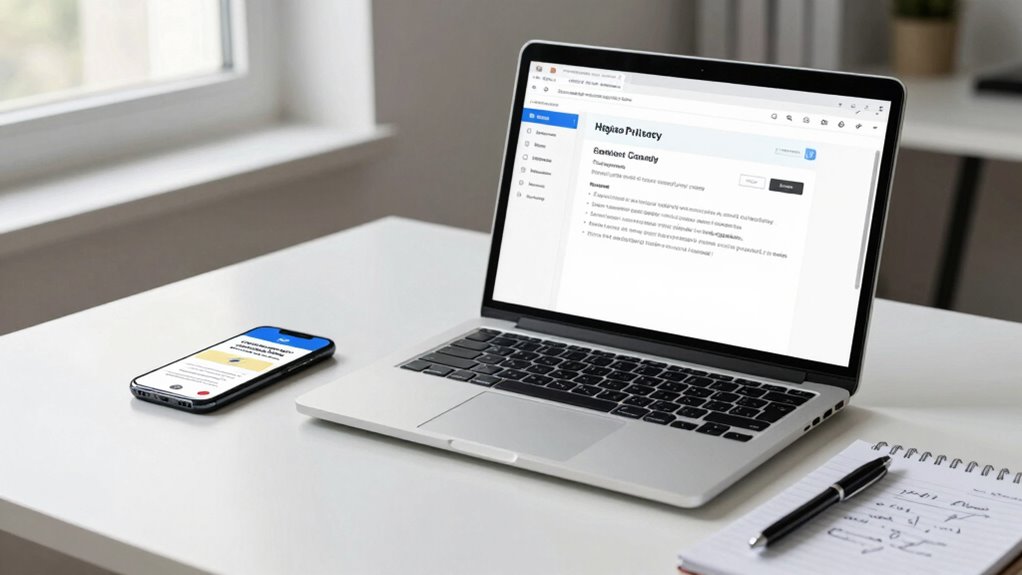

In practice, BEC often appears as convincing emails that mimic trusted sources like your boss, vendors, or partners, urging quick actions like wire transfers or sensitive data sharing. You might receive messages with urgent language or official-looking logos, requesting immediate changes to payment details or access. Attackers may also use compromised accounts or insider threats to make their requests seem more credible. Staying aware of these tactics helps you spot them early—keep going to learn how to defend your organization.

Get the latest gadgets delivered free — and shop member deals
- Fast, free delivery on millions of items
- Access to Prime Big Deal Days deals on October 6–7
- Prime Video, Amazon Music and more included
Key Takeaways
- Attackers send emails that appear to come from trusted contacts, requesting urgent wire transfers or sensitive information.
- Compromised accounts are used to send personalized, convincing messages to colleagues or partners.
- Emails often create a sense of urgency or authority to persuade recipients to act quickly without suspicion.
- Fraudulent requests may include altered payment details or instructions to change vendor information.
- Attackers exploit social engineering and familiarity to bypass skepticism and execute financial or data theft.

Business Email Compromise (BEC) has become a prevalent and costly threat for organizations of all sizes, often slipping past traditional security measures. When you look at how BEC manifests in practice, it’s clear that attackers use a variety of tactics, with phishing scams being among the most common. You might receive an email that appears to come from a trusted source—your boss, a vendor, or a partner—asking for sensitive information or urgent wire transfers. These emails are crafted to look legitimate, exploiting your trust and familiarity to persuade you to act without question. The goal is to trick you into revealing confidential data or transferring money directly into the attacker’s account.
BEC attacks often involve convincing emails from trusted sources requesting urgent actions or sensitive information.
In many cases, these scams are cleverly designed, mimicking official communication channels and using language that creates a sense of urgency or authority. You might be instructed to change payment details quickly or to send sensitive files, all under the guise of a routine business request. Because these emails often look so convincing, you might not realize you’re being deceived until it’s too late. Attackers frequently rely on social engineering, knowing that your natural inclination is to help, respond, or comply with urgent requests. This is where insider threats come into play—sometimes, compromised employee accounts are used to send spear-phishing emails, making the scam even more convincing.
In practice, BEC also involves exploiting insiders—employees who have access to financial or sensitive information—either through manipulation or coercion. Attackers might pose as a high-level executive or a trusted partner, convincing the insider to perform actions they wouldn’t normally consider. This can happen via email, messaging apps, or even through direct contact. Once inside, these insiders can unwittingly or knowingly facilitate financial fraud, data theft, or unauthorized access, making the threat even harder to detect. Recognizing how cybersecurity measures are bypassed in these scenarios underscores the importance of comprehensive security awareness. Additionally, understanding battery management practices can help organizations protect critical systems from potential compromises that could be exploited in BEC schemes.
Some BEC scenarios also involve vulnerable systems being exploited to gain initial access or to escalate privileges, which further complicates detection and prevention efforts. Attackers often establish relationships with insiders or compromise their accounts, enabling them to execute fraudulent transactions seamlessly. This blend of tactics makes BEC particularly dangerous because it bypasses many traditional security controls, relying instead on social manipulation. To defend against this, you need to be vigilant about email authenticity, question unusual requests, and foster a security-aware culture where employees are trained to recognize signs of phishing scams and insider threats. Recognizing how security vulnerabilities are exploited in practice helps you stay a step ahead of these evolving threats. Moreover, implementing advanced threat detection can significantly improve an organization’s ability to identify and respond to suspicious activities early.
business email security software
As an affiliate, we earn on qualifying purchases.
As an affiliate, we earn on qualifying purchases.
Frequently Asked Questions
How Can Businesses Prevent Email Account Compromises?
To prevent email account compromises, you should implement strong security measures like email encryption to protect sensitive data. Regular employee training is essential; it teaches your team to recognize phishing attempts and suspicious activity. Enforce multi-factor authentication, keep software updated, and create strong, unique passwords. By combining these practices, you reduce the risk of breaches and guarantee your business email stays secure.
What Are Common Signs of a Business Email Scam?
You notice suspicious signs like urgent requests for money or sensitive info, but they look genuine. Unexpected email addresses or strange language hint at email phishing or malware infiltration. Watch for inconsistent tone, misspelled words, or unusual attachments—these are common signs of a scam. Sometimes, compromised accounts send fake invoices or requests from known contacts, making it essential to verify any unusual requests before acting.
How Quickly Should a Company Respond to a Suspected BEC Attack?
You should respond immediately if you suspect a BEC attack. Quickly isolate the affected accounts and notify your IT team. Implement email encryption to secure sensitive info and prevent further breaches. Employee training is vital—educate staff on recognizing scams so they act swiftly. Prompt response minimizes damage, helps trace the attack, and strengthens your defenses against future threats. Acting fast is essential to safeguard your company’s assets and reputation.
Are Remote Workers More Vulnerable to BEC Attacks?
Think of your remote workers as sitting on a fragile bridge, vulnerable to unseen threats. Yes, they’re more susceptible to BEC attacks due to remote vulnerabilities, as cybercriminals exploit less secure home networks. That’s why investing in employee training is essential—arming your team with awareness and best practices can act as a sturdy handrail, guiding them safely across the digital landscape and preventing costly compromises.
What Legal Steps Follow a Business Email Compromise?
When you experience a business email compromise, you need to act quickly. You should initiate investigation procedures to understand the breach and notify relevant authorities. The legal ramifications may include reporting to law enforcement and collaborating with legal counsel to assess liabilities. It’s vital to document all findings and communications, as these will be indispensable if legal action arises. Prompt, transparent steps can help mitigate damages and guarantee compliance with legal requirements.
As an affiliate, we earn on qualifying purchases.
Conclusion
So, next time you get that urgent email asking for a wire transfer, remember: it might just be your new favorite scam. Business email compromise isn’t just a sneaky trick; it’s the ultimate test of your trust and skepticism. Keep your guard up, double-check those requests, and maybe—just maybe—save yourself the headache of being the company’s next headline. After all, who knew that staying vigilant could be so entertaining?
secure email authentication devices
As an affiliate, we earn on qualifying purchases.
As an affiliate, we earn on qualifying purchases.
email verification software for businesses
As an affiliate, we earn on qualifying purchases.
As an affiliate, we earn on qualifying purchases.
Fall Picks
fall essentials
As an affiliate, we earn on qualifying purchases.