Studies show that nearly 60% of insider threats occur before employees leave a company, making early detection essential. If you’re not actively monitoring for suspicious activity during employment, you risk missing signs of malicious intent that could cause significant damage. How can you identify these threats before an exit interview, and what steps can you take to protect your organization from internal harm? The answer lies in proactive strategies that may surprise you.
Key Takeaways
- Continuous employee monitoring detects suspicious behaviors early, enabling intervention before exit interviews occur.
- Role-based access controls limit sensitive data exposure, reducing insider threat opportunities.
- Behavioral analytics identify anomalies in login patterns and file activity indicative of malicious intent.
- Regular audits of logs and privileges help uncover irregular activities before employee departure.
- Clear communication of monitoring policies fosters cooperation and enhances early detection efforts.
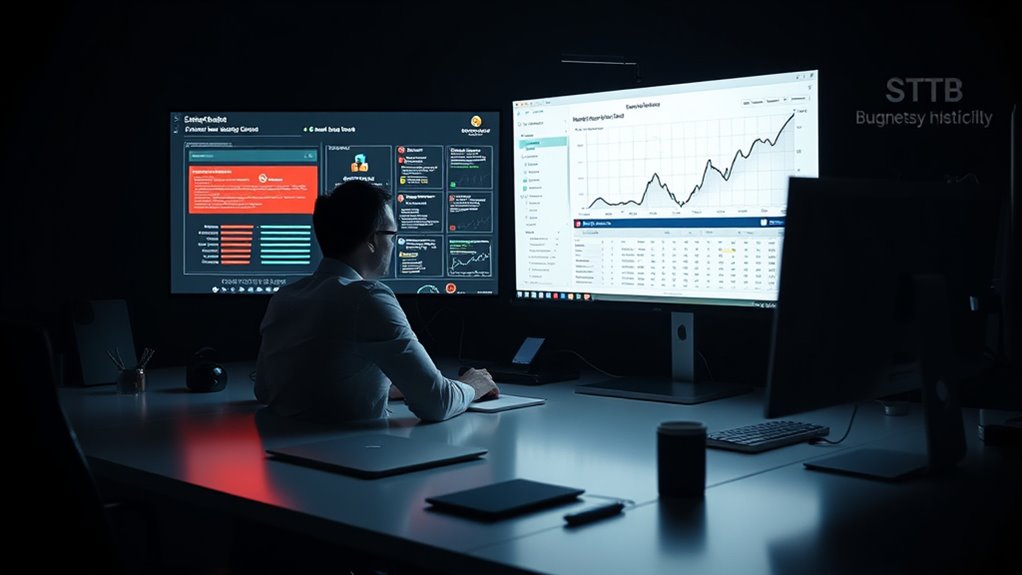
Have you ever wondered how much damage an insider threat can cause? It’s more common than you might think, and the consequences can be devastating for your organization. Insider threats aren’t always obvious, which is why proactive detection is essential. One of the most effective ways to do this is through employee monitoring combined with robust access controls. Employee monitoring allows you to keep an eye on user activity, spotting suspicious behavior early before it escalates. This isn’t about invading privacy but about safeguarding sensitive data and ensuring that employees aren’t unintentionally or maliciously compromising your systems. When you monitor employee activities, you get real-time insights into file access, login patterns, and data transfers, helping you identify irregularities that could indicate malicious intent. Using behavioral analytics can further enhance your ability to detect anomalies and potential insider threats more effectively.
Employee monitoring provides real-time insights into activity, helping detect suspicious behavior early and protect sensitive data from insider threats.
Access controls are equally crucial. They allow you to restrict what employees can see or do within your network, based on their roles and responsibilities. By implementing granular access controls, you prevent unnecessary exposure of sensitive information. For example, an employee in HR doesn’t need access to financial records, and a system administrator shouldn’t have unrestricted access to every department’s data. Limiting access reduces the risk of insider threats by minimizing what malicious actors can manipulate or steal. Combined, employee monitoring and access controls create a layered security approach—making it difficult for a rogue employee to cause harm without detection.
It’s important to set clear policies and standards around monitoring and access. Communicate openly with your staff about how and why you monitor activity, emphasizing that these measures are designed to protect everyone, including them. When employees understand that their activity is being watched for security reasons—not as a way to micromanage or mistrust—they’re more likely to cooperate and follow best practices. Regular audits and reviews of monitoring logs and access privileges help you stay ahead of potential threats, catching suspicious activity before someone leaves the company. This proactive approach ensures you can address issues quickly and prevent data breaches or sabotage.
Ultimately, the goal is to catch malicious activity early, ideally before the employee’s exit interview. You don’t want to discover that an insider was stealing data or sabotaging systems only after they’ve left. Using employee monitoring and access controls isn’t just about compliance; it’s about actively protecting your organization’s assets. When you stay vigilant and leverage these tools, you’re much better positioned to spot the warning signs of insider threats and stop them in their tracks, maintaining the integrity and security of your operations.

Employee Monitoring Software A Complete Guide – 2020 Edition
As an affiliate, we earn on qualifying purchases.
As an affiliate, we earn on qualifying purchases.
Conclusion
By staying vigilant and fostering open communication, you create a secure environment where trust and integrity flourish. Proactive monitoring and thoughtful oversight act as gentle safeguards, catching subtle signs before they turn into storms. Remember, your commitment to understanding and guiding your team helps nurture loyalty and prevent unintended harm. In doing so, you build a resilient organization where everyone feels valued, protected, and confident in a shared journey toward success.
Transforming Cybersecurity Audit Practices with Agility and Artificial Intelligence (AI) (Security, Audit and Leadership Series)
As an affiliate, we earn on qualifying purchases.
As an affiliate, we earn on qualifying purchases.
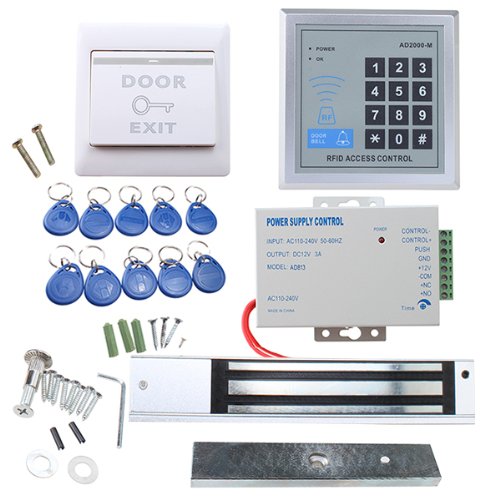
AGPTEK RFID Door Access Control System Kit 280kg Electric Magnetic Lock
[Modern Technology for Home Security] This RFID Proximity door access control system kit is one of the modern…
As an affiliate, we earn on qualifying purchases.
As an affiliate, we earn on qualifying purchases.
![MixPad Free Multitrack Recording Studio and Music Mixing Software [Download]](https://m.media-amazon.com/images/I/71ltIxIuz1L._SL500_.jpg)
MixPad Free Multitrack Recording Studio and Music Mixing Software [Download]
Create a mix using audio, music and voice tracks and recordings.
As an affiliate, we earn on qualifying purchases.
As an affiliate, we earn on qualifying purchases.



![How to Write to SSDs [pdf]](https://geeksalad.org/wp-content/uploads/2026/05/how-to-write-to-ssds-pdf-featured-560x300.jpg)